


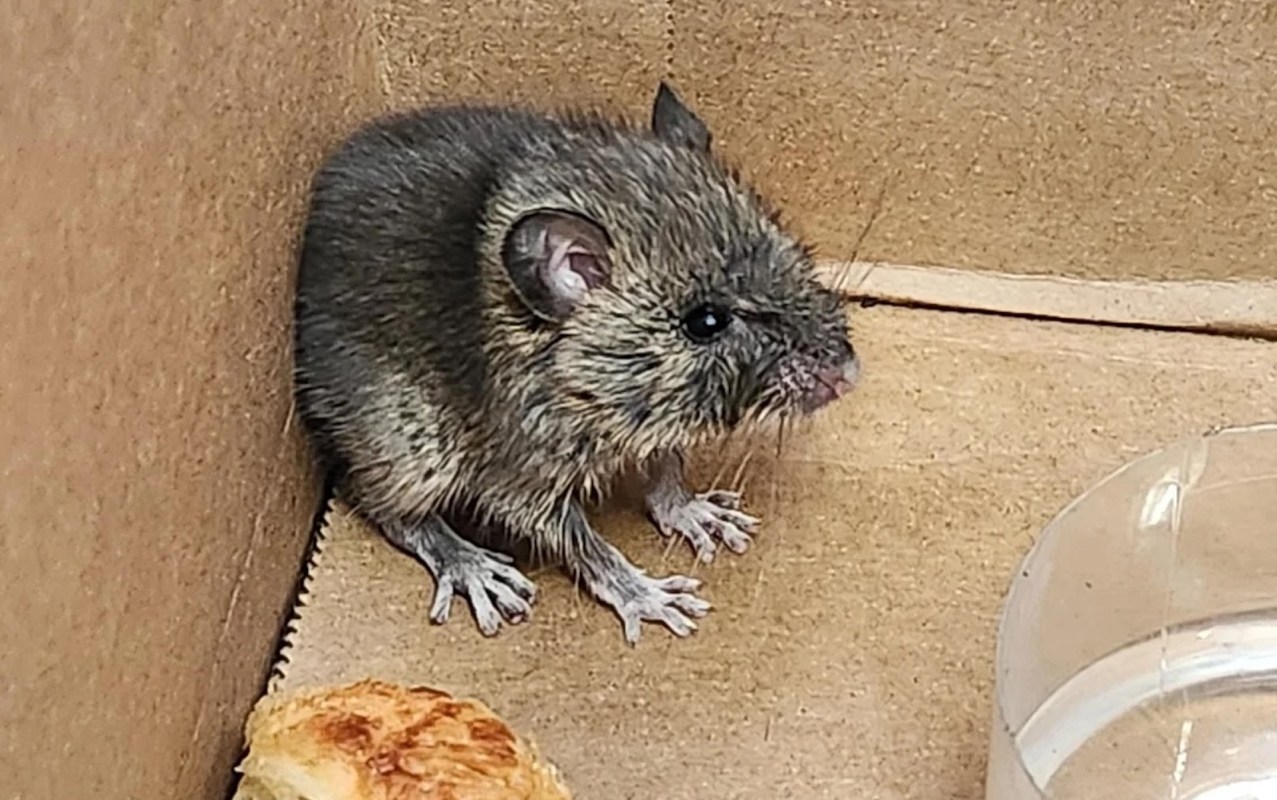
A small, fluffy stowaway found inside a customer's vehicle left one auto shop worker baffled — and sent Reddit into detective mode.
What happened?
A Reddit user asked, "I work at an auto shop, and this little guy was in one of our cars. We don't know what it is though. Is it a rat? A chinchilla?"
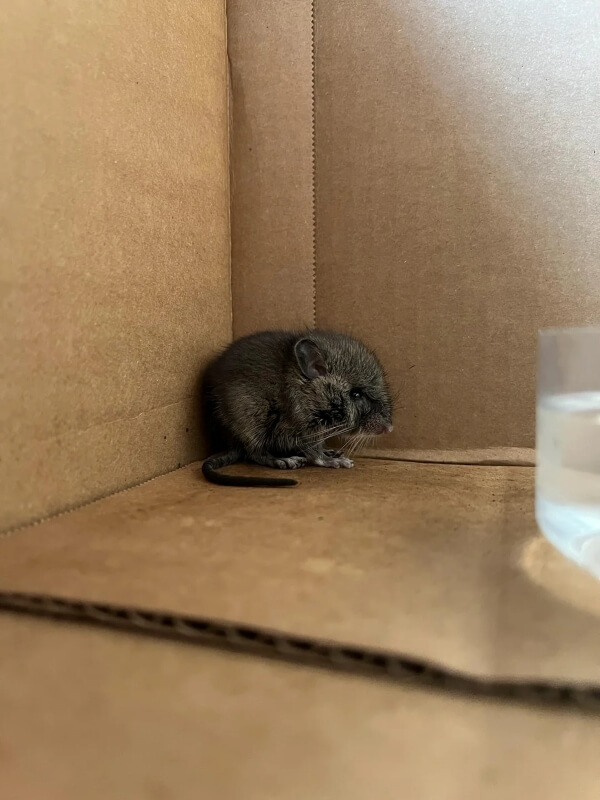
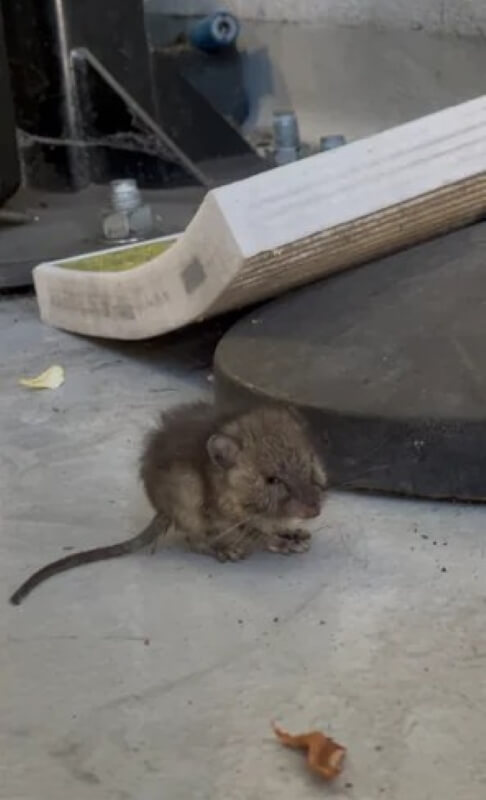
The poster shared photos of the unidentified rodent that appeared to show it being placed in a box with food and water nearby. It didn't take long for other users to crack the case: commenters said the animal was a vole, not either of the original guesses, and the thread was later flaired "Solved."
The replies were emphatic, with one user writing, "don't listen to anyone else, it's a vole."
Another said, "No, it is not. That's a vole." One commenter also pointed out that they can also be called "field mice."
Not every response focused only on identification. One commenter who said they had relevant experience warned: "He's a very sick vole. I'm trained in assessing rodent squint (a pain/stress grimace in rodents) used to assess pain in laboratory mice."
TCD Picks » Quince Spotlight
💡These best-sellers from Quince deliver affordable, sustainable luxury for all




Commenters also added how adorable it looked, one saying that "it's darn cute" and another simply writing, "I love himb."
Why does it matter?
A wild rodent turning up inside a car can point to a broader pattern: Animals are increasingly being pushed into close contact with human spaces.
Cars, garages, and auto shops can provide warmth, shelter, and hiding places, especially when natural habitat is fragmented or when food and nesting areas become harder to access. Human development does not just alter landscapes for people — it can force wildlife into dangerous situations, including being trapped in vehicles or exposed to toxic substances, stress, and injury.
Unexpected wildlife encounters can create health and safety concerns for drivers, workers, and the animals themselves. Vehicles can also be a place where wild animals could turn up unexpectedly — a driver in Greece discovered a large snake tangled in their car's engine belts after steering failed.
What can I do?
If you find a wild animal in your car, garage, or workspace, experts generally advise against handling it directly. Even small animals can bite when frightened, and a sick or injured rodent may require specialized care.
Drivers can also reduce the odds of wildlife hitching a ride by checking under hoods, avoiding leaving food scraps in vehicles, and being mindful of where cars are parked — especially near brush, fields, or garages where small mammals may hide.

Get TCD's free newsletters for easy tips, smart advice, and a chance to earn $5,000 toward home upgrades. To see more stories like this one, change your Google preferences here.







