


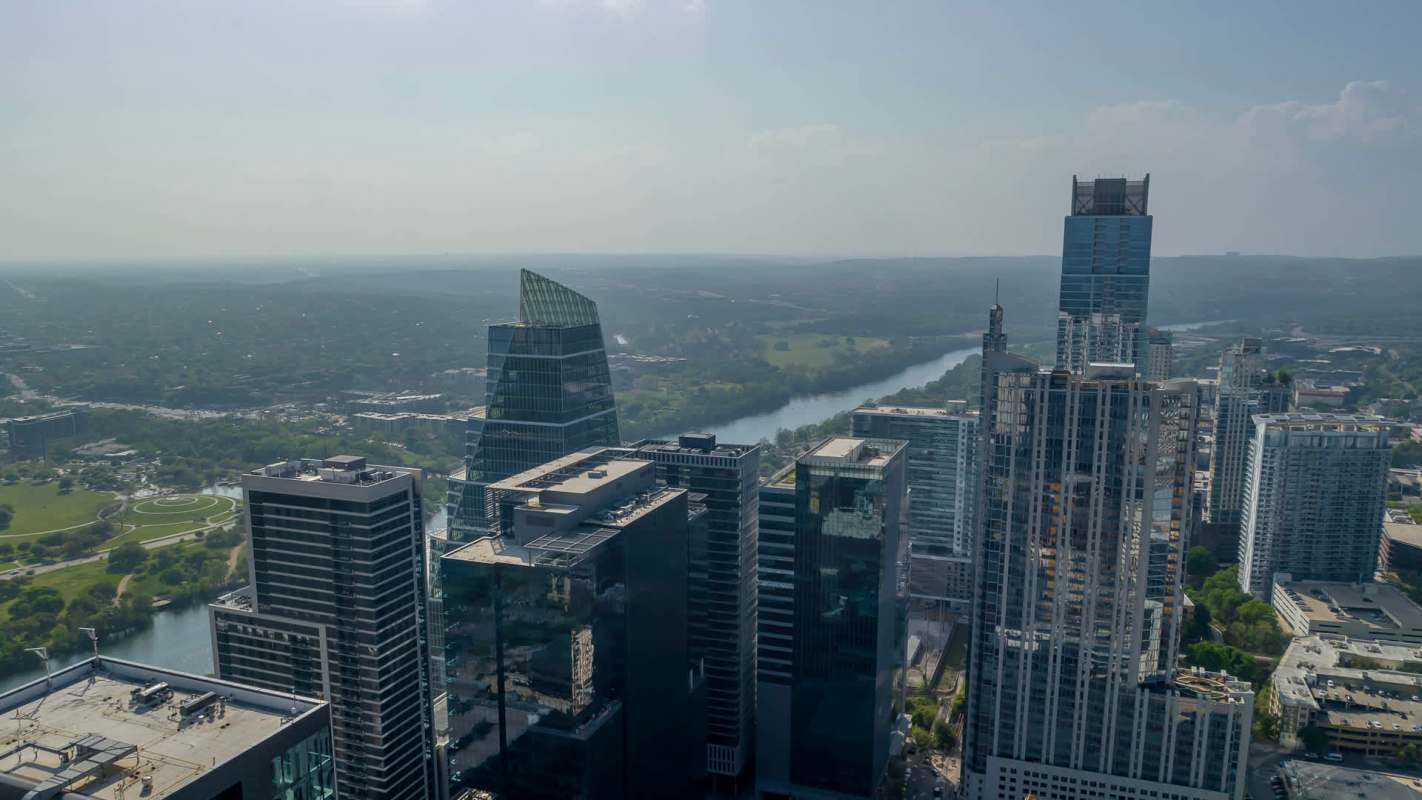
A University of Texas study indicated that there is a higher concentration of microplastics at the mouths of Austin's tributaries, as reported by the Austin Monitor.
"The problem is pretty big," said Liz Johnston, the city's environmental officer.
What's happening?
The study has found that microplastics found in higher concentrations are composed mostly of particles with origins in tires and roads. The issue was discussed during an annual update to the city's Environmental Commission.
Microplastics are tiny plastic particles — less than 5 millimeters in size — that form when larger plastic pieces break down. They are invasive and pose an issue because they are nearly impossible to clean up, and they have been found everywhere in our environment, from the oceans to the air, and even inside our bodies.
Why is the increase in microplastics in Austin's waterways important?
Scientists have not yet determined all the health concerns related to microplastic exposure in marine animals and humans. Dr. Brent Bellinger, the conservation program supervisor with the city's Watershed Protection Department, warned, per the Monitor, that "you get something that's less than 5 millimeters — it looks like a plankton, and it's going to be eaten by something … and then they're able to bio-accumulate moving up the food web." This may even apply to humans.
Bellinger explained that managing aquatic vegetation and keeping it free of microplastics is important to keeping the lake healthy.
To maintain the balance of the ecosystem and biodiversity, it is important to get to the bottom of the problem.
What's being done about microplastics?
Some companies have stopped using intentionally created microplastics, such as exfoliant beads in skin care products or microbeads and microfibers; however, microplastics that result from larger products breaking down continue to be a problem.
We can reduce our use of plastics by using glass or metal food and water containers instead of plastic, opting for reusable cloth grocery bags instead of single-use plastic bags, and reducing our use of single-use plastic flatware, straws, and other plastic products.
In Austin, Bellinger hopes to work on follow-up studies to evaluate roadway conditions and tire brands sold in the area to potentially reduce the level of microplastic contamination. Methods to capture road runoff before it gets into the waterways are being considered.
TCD Picks » Quince Spotlight
💡These best-sellers from Quince deliver affordable, sustainable luxury for all




|
Do you worry about having toxic forever chemicals in your home?
Click your choice to see results and speak your mind. |
 Majorly 😥
 The balance between human presence near the waterways and the importance of human interaction with nature is being considered. Commissioner Justin Fleury asked Bellinger, "Do you ever recommend a reduction in recreation?"
Bellinger recommended limiting impact, but not access. "It is important to utilize and to have an interaction with the natural environment," he said, per the Monitor. "You're going to be more invested in it, you're going to want to actually protect it more if you understand it if you're out in it."

Join our free newsletter for good news and useful tips, and don't miss this cool list of easy ways to help yourself while helping the planet.
Cool Picks






