


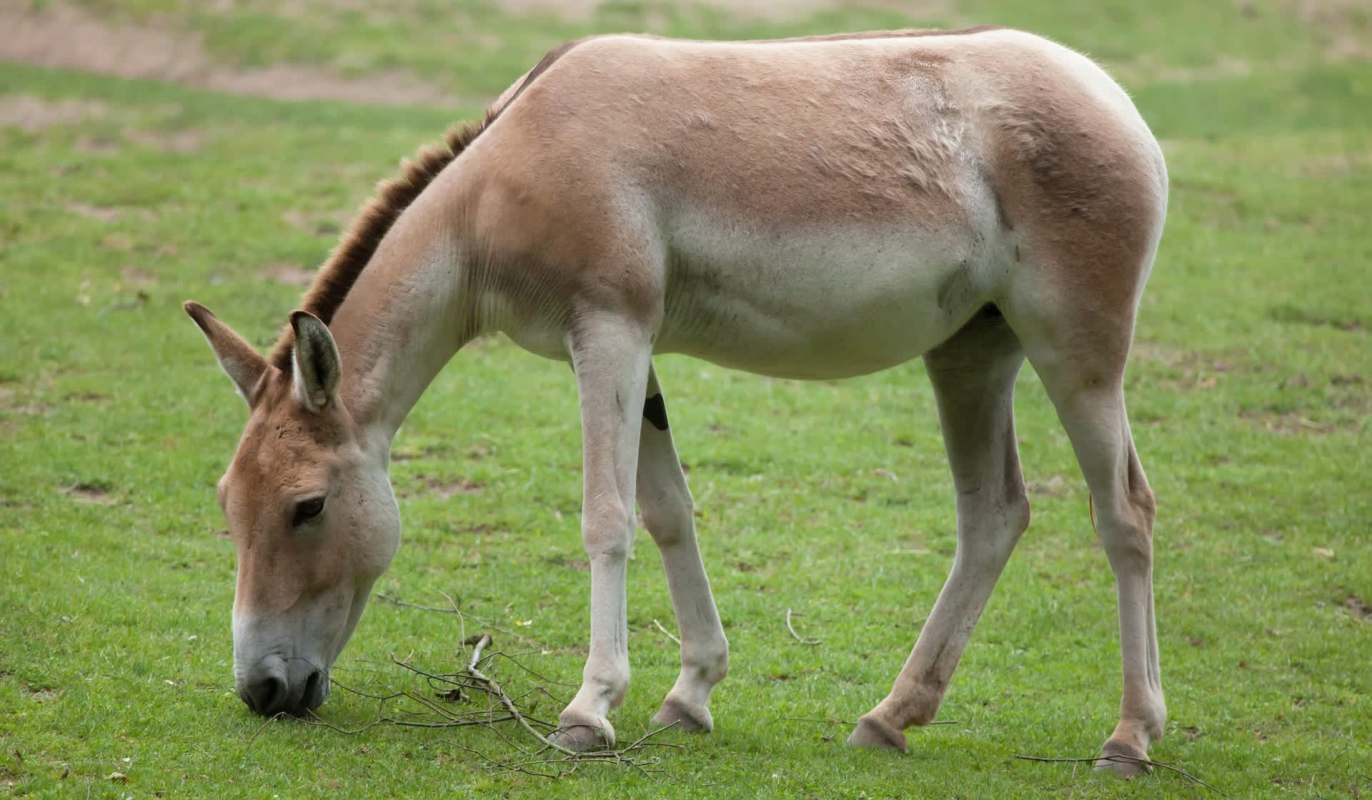
A species absent from eastern Mongolia for more than six decades is making a dramatic comeback. The Asiatic wild ass, or khulan, detailed here by the International Union for Conservation of Nature, has returned to the region after more than 65 years, marking what conservationists are calling a major win for habitat restoration.
A new study published in Oryx suggests the animals are doing more than briefly passing through. According to a WCS Newsroom news release, khulan are now being seen repeatedly in several groups east of the Trans-Mongolian Railway. This long-standing barrier had cut off movement across one of the world's most important grassland ecosystems.
For years, fencing along the railway has limited the ability of khulan and other migratory animals to reach seasonal grazing areas and water in Mongolia's dry, highly variable steppe. That kind of fragmentation can be devastating for a species that depends on wide-open, connected habitat to survive.
Now, recent collaborative efforts between WCS and Mongolian government partners appear to be changing that. According to the release, teams tried out temporary fence-free stretches along the railway and, in May 2025, officially set aside a monitored "safe passage" zone near the China-Mongolia border left free of fencing.
Those efforts appear to be paying off. Monitoring recorded khulan crossing the railway in recent years, including during winter, and later surveys found hundreds of animals on the eastern side.
"These findings provide the first confirmed evidence of khulan recolonization within their historical range and establish a baseline for future conservation efforts," the study stated. "Strategic investments in wildlife-friendly crossings and habitat restoration east of the Trans-Mongolian Railway are critical to support further recolonization, enhance connectivity, and reduce pressure on core populations in the South Gobi."
TCD Picks » Quince Spotlight
💡These best-sellers from Quince deliver affordable, sustainable luxury for all




According to WCS, Mongolia's Gobi region is home to roughly 91,000 khulan — more than 84% of the global total. Even so, the species faces serious pressure from habitat fragmentation, livestock competition, illegal hunting, and the effects of a warming planet, making every successful reconnection project important.
For local communities and the broader region, the benefits of this kind of conservation progress extend beyond a single species. Connected landscapes are more resilient, and that can help support the long-term health of grasslands that people, livestock, and wildlife all depend on.
Conservation efforts also helped return Przewalski's horse to Mongolia. Known to Mongolians as takhi, and highlighted here by the Smithsonian, they are the only equine breed never to be domesticated. A Spanish nonprofit also successfully moved 16 Przewalski's horses from Mongolia to the Iberian Peninsula in 2023, where they've made tremendous progress in reshaping the local landscape.
The khulan project shows that infrastructure and conservation need not be at odds. WCS Mongolia Country Director Justine Shanti Alexander said tests indicated wildlife could cross safely without increasing train collisions. Plans for a local protected area on the eastern side of the railway could help preserve those gains in the future.
"Documenting khulan crossing this long-standing barrier and beginning to re-establish in their former range represents an extraordinary conservation breakthrough," lead author Buuveibaatar Bayarbaatar said, per the WCS Newsroom.

Get TCD's free newsletters for easy tips, smart advice, and a chance to earn $5,000 toward home upgrades. To see more stories like this one, change your Google preferences here.







