


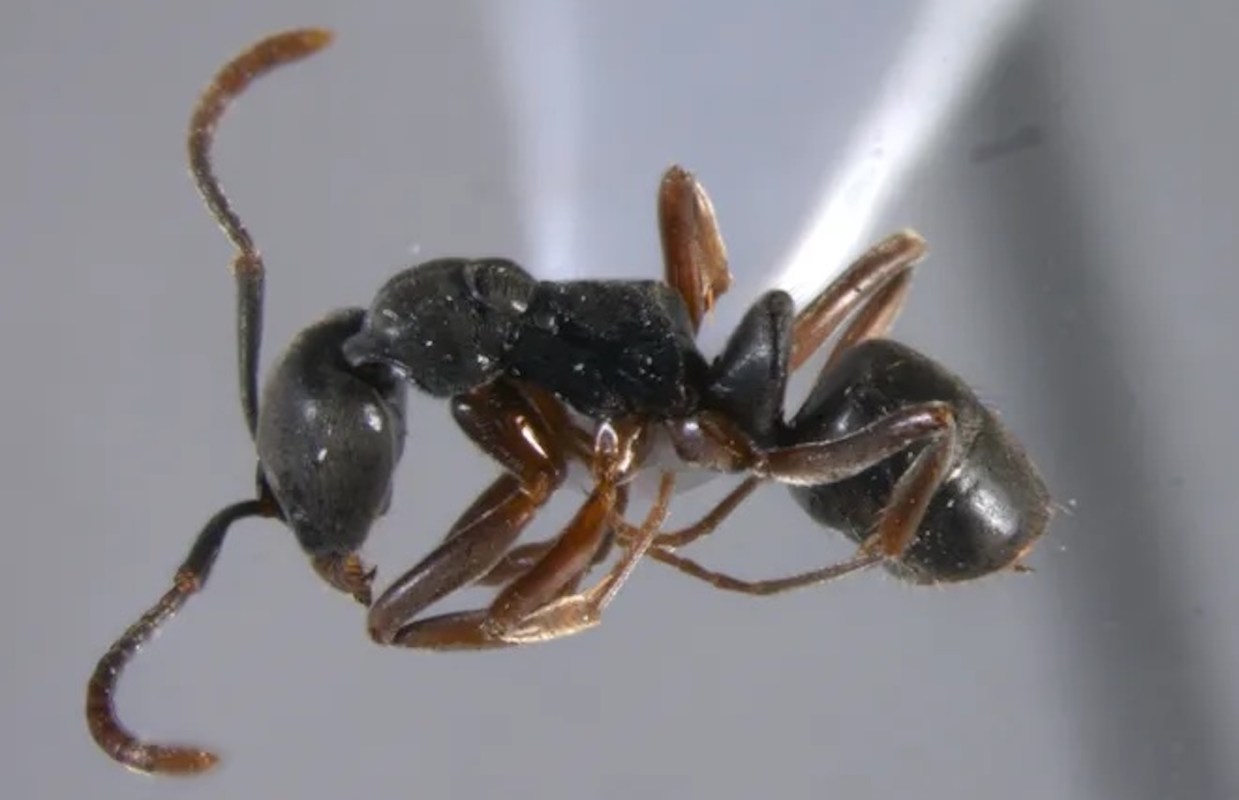
An invasive ant that delivers "ghost stings" is spreading across the southeastern United States, spurring warnings from officials.
What's happening?
The Asian needle ant has been in the United States for nearly a hundred years, but over the past two decades, it has quickly spread to over 20 states, outcompeting other ants and endangering residents.
These ants, which like to nest in wooded areas instead of creating ant hills, are rapidly becoming "medical pests," according to University of Georgia scientists, who warn that their stings can cause serious health issues.
According to the researchers, the venom that these ants inject can cause serious pain, nausea, difficulty breathing, and even anaphylaxis. According to Greenville News, the pain can also return up to days later, in what Clemson University doctoral student in forestry Samantha Kennett calls "ghost stings."
Scott Baker, an agricultural expert in Virginia, told an ABC News affiliate that "the good news is, they're not terribly aggressive like the fire ant … but I understand they do enact a very painful sting if people do interact with them."
How to spot and avoid needle ants
Due to their small size, needle ants can be difficult to identify. But there are plenty of actions you can take to avoid them. Baker went on to explain that if you're working or recreating in heavily wooded areas in the 20 or so states in which these ants exist, "make sure [you] have gloves on. Make sure [you're] paying attention."
TCD Picks » Quince Spotlight
💡These best-sellers from Quince deliver affordable, sustainable luxury for all




Beyond this, making sure you don't let leaf litter or vegetation accumulate in your yard can prevent them from finding habitable nesting sites near your home.
Knowing what they look like can help you to avoid them, too. According to the U.S. Forest Service, Asian needle ants are "small, shiny, dark brown to black, with the end of the antennae and the legs being a lighter orange-brown. Workers are about 0.2 inches in length." They also have a visible stinger.
And if you trap any ants you suspect might be this invasive species, you can perform a simple test. These ants do not have the ability to cling to glass, unlike most other ant species, so if put in a glass jar, they will not be able to climb the sides.

Get TCD's free newsletters for easy tips, smart advice, and a chance to earn $5,000 toward home upgrades. To see more stories like this one, change your Google preferences here.







