


As warmer temperatures draw many to dust off their gardening tools this spring, you might want to be extra vigilant while turning over soil.
The University of Georgia is warning gardeners and other outdoor enthusiasts in southeastern states about the emergence of the Asian needle ant, an invasive species with a particularly dangerous sting, according to 11Alive.
Though only the size of a grain of rice, the venom from this species of ant poses a significant risk, even life-threatening for those with bee or ant allergies.
UGA entomology professor Dan Suiter warns, "If you or somebody in your family suffers from anaphylaxis, it's something that you should know, whether it's on your property or not. Because when you're out gardening, that's when you're probably most likely to come in contact."
Don't be fooled by the size of these ants, Suiter warns. "If someone has reacted adversely to a bee or ant sting in the past, they may be at risk of going into anaphylactic shock from the needle ant's sting … it might be smart to carry an EpiPen," he told UGA Today.
Even without allergies, it's wise to steer clear of groups of these ants. Susan Simon, a woman from Georgia, was reportedly stung three times by Asian needle ants in her garden, resulting in her losing consciousness and being sent to the ICU.
TCD Picks » Quince Spotlight
💡These best-sellers from Quince deliver affordable, sustainable luxury for all




Suiter cautions for extreme vigilance in wooded areas across the southeast. "People don't typically notice them. Unlike, say, fire ants, which build a mound, the Asian needle ant doesn't establish foraging trails — those lines of ants you can see," he explains.
This species of ant has been sighted in various states across the southeast, particularly in Georgia, where they were first detected within the U.S. in the 1930s. Asian needle ants thrive in big oak trees, leaf litter, firewood piles, and any tree bark, and they'll also congregate under rocks, stones, and high-moisture areas.
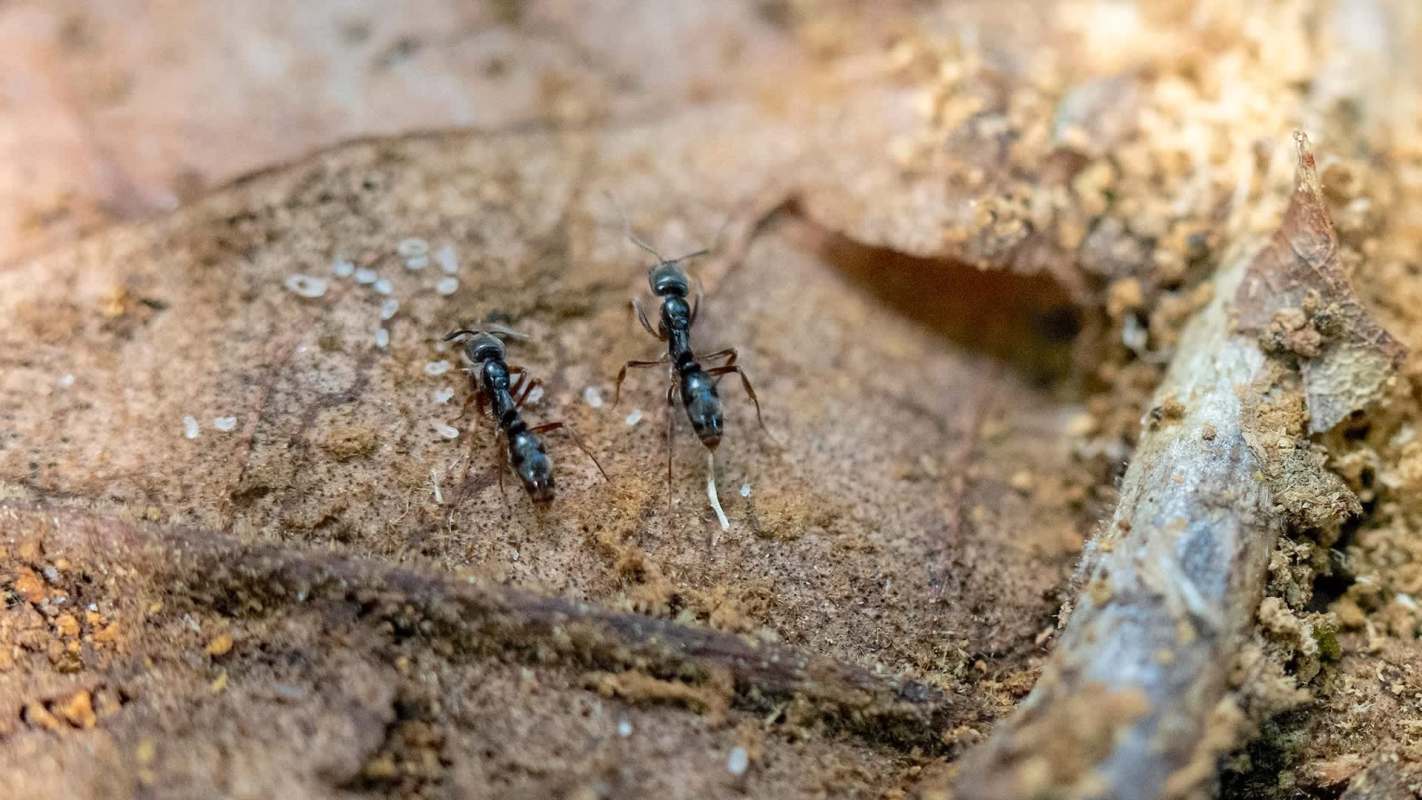
The U.S. Forest Service identifies Asian needle worker ants as small, shiny, and dark brown or black, with the end of the antennae and the legs being a lighter orange-brown. Other ant species superficially resemble the Asian needle ant, so you may need to reach out to a local university's entomology department for species identification and reporting.
The Asian needle ant can threaten more than spring gardening or someone's health, they also wreak havoc on local ecosystems by outcompeting native species and disrupting the balance of delicate food webs.
Despite the rapid spread of these invasive ants, you can minimize the risk that your property may become infested with Asian needle ants.
Maintaining your yard by clearing leaves, weeds, and debris may help eliminate appealing nesting sites for these small yet venomous insects. Remember to wear thick gloves and layer your clothing when working in areas you suspect may have an Asian needle ant or two.
You can also contact a responsible pest control company in your area to identify the ants and create controlled treatment zones.
Lastly, in the case of you or someone you know getting stung by an Asian needle ant, being familiar with the signs of anaphylaxis can potentially save a life.

Get TCD's free newsletters for easy tips, smart advice, and a chance to earn $5,000 toward home upgrades. To see more stories like this one, change your Google preferences here.







