


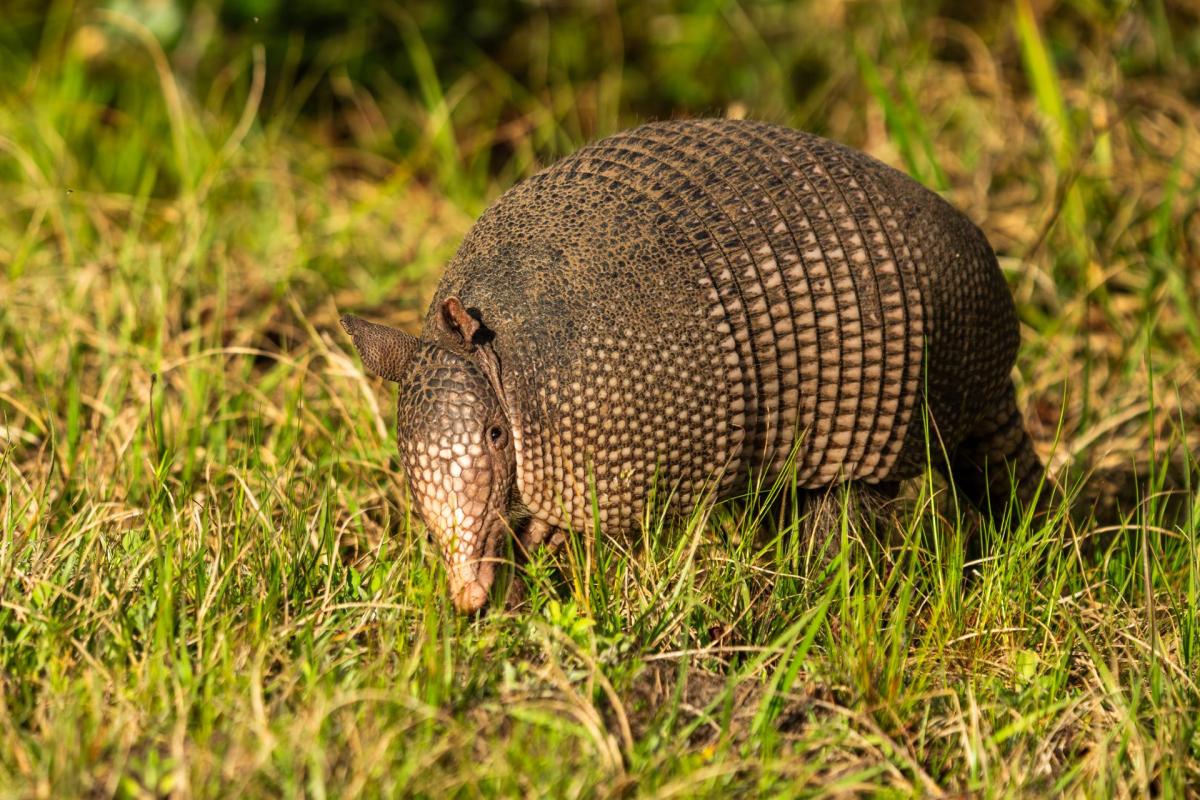
Wildlife officials say armadillos have shifted from a rare curiosity to an established presence in parts of western North Carolina. Populations have been confirmed in eight mountain counties, prompting concerns about property damage, impacts on fragile native ecosystems, and ticks that may carry serious illnesses.
Here's what to know
As WLOS reported, the North Carolina Wildlife Resources Commission said the first confirmed sighting in the state was in Macon County in 2007, with Henderson County following in 2008. Part of what the region is seeing stems from the species' long movement north from Central America.
A state range-expansion report covering 2007 through 2024 showed western North Carolina had the most confirmed sightings. Established populations in the region have been documented in Buncombe, Cherokee, Clay, Henderson, Jackson, Macon, Swain, and Transylvania counties.
Steve Pettis, NC Cooperative Extension agent for Henderson County, said the state is in the buildup phase.
"What happens with any creatures, especially invasive creatures, whether it's a plant or an animal, is you start up with a small number of them and the population will slowly build and then eventually, once you reach critical mass of a population, then the population skyrockets," Pettis said.
As their numbers increase, concerns extend to potential effects on public health and mountain habitats.
TCD Picks » Quince Spotlight
💡These best-sellers from Quince deliver affordable, sustainable luxury for all




More background
Pettis explained, "So, armadillos, their life cycle is they dig a big hole in the ground. They go down, they can dig a tunnel about 30 feet and there can be side tunnels that go off to the side, even down. And they like to do it next to buildings. Buildings, concrete, they'll follow pipes."
Burrows like that can weaken soil around homes and other structures, including near foundations. Philip Lyda, a resident of Bat Cave, told WLOS that he has seen what he believes is armadillo damage in his yard after capturing one on camera.
Pettis also warned that the ecological impacts could be significant in the mountains, where some plant communities rely on undisturbed leaf litter. "If it were just ornamental plants that wouldn't be that concerning, but here in western North Carolina, we have this really sensitive ecosystem," he said, pointing to delicate cove habitats.
Pettis said the larger health concern involves how wildlife can move ticks across the landscape. He said that raises alarms about Rocky Mountain spotted fever, Lyme disease, and alpha-gal syndrome. While armadillos are often associated with leprosy, he said transmission to humans is rare.
What can be done?
Officials are asking residents to stay alert and help monitor the animals' spread. The North Carolina Wildlife Resources Commission wants anyone who spots an armadillo to report it through the NC Armadillo Project by sharing photos or using the iNaturalist app.
If people encounter one in the wild, officials say they should keep their distance. If contact cannot be avoided, they recommend wearing gloves for safety.
Tracking sightings also gives researchers a better chance to understand how quickly the species is spreading and what that could mean for mountain ecosystems before the problem becomes more difficult to manage.

Get TCD's free newsletters for easy tips, smart advice, and a chance to earn $5,000 toward home upgrades. To see more stories like this one, change your Google preferences here.







