


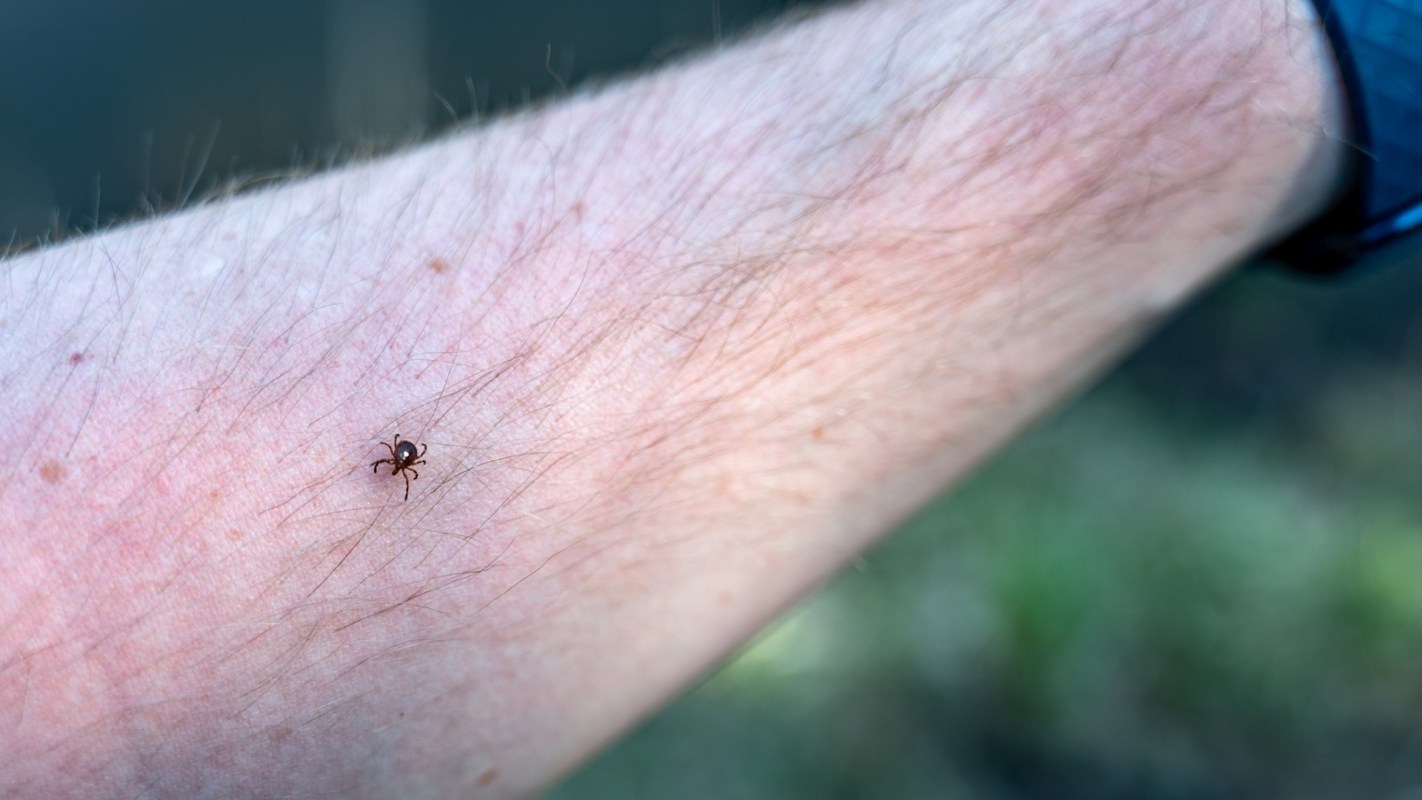
A tick bite picked up while gardening, hiking, or even walking through your own yard could lead to a life-changing food allergy.
Health officials are reporting a sharp rise in alpha-gal syndrome cases in Northeast Arkansas, causing concern for anyone who spends time outdoors.
What's happening?
KAIT reported that confirmed and probable alpha-gal syndrome cases climbed from 70 in 2023 to 345 in 2024.
Alpha-gal syndrome is an allergy linked to a sugar molecule transmitted through tick saliva, most commonly from the Lone Star tick. After a tick bite, some people develop allergic reactions to red meat and pork.
Dr. Shane Speights, dean of the NYIT College of Osteopathic Medicine at Arkansas State University, told KAIT that symptoms can worsen over time. Reactions may include severe gastrointestinal distress, throat swelling, and trouble breathing.
Symptoms may not appear until one to four months after the tick bite, and they can surface hours after eating meat rather than immediately after exposure, making it hard to identify.
TCD Picks » Quince Spotlight
💡These best-sellers from Quince deliver affordable, sustainable luxury for all




Why does it matter?
A single tick bite can change what someone can eat for the rest of their life.
Those at greatest risk are often people who spend the most time outside, including hunters, anglers, hikers, and others who regularly move through grassy or wooded areas.
The warning also extends to people doing routine yard work in places where ticks are common.
Entomologist Dr. Tanja McKay said Lone Star ticks are especially common in Arkansas and across the Southeast.
They are often found in grass, vegetation, and wooded trails. Exposure may be much easier than many people realize.
What can I do?
Doctors and researchers say prevention remains the best defense because there is currently no cure for alpha-gal syndrome once it develops.
Experts recommend wearing protective clothing, using insect repellents containing DEET, keeping yard vegetation trimmed, and doing a full tick check after spending time outdoors.
If you find a tick attached, remove it with tweezers or forceps using a straight upward pull, without twisting, and make sure the mouthpart is fully removed.
If you develop unusual digestive symptoms, swelling, or breathing problems after eating red meat, especially if you recently had a tick bite, doctors say it may be worth asking a medical professional about alpha-gal syndrome.
"Imagine telling somebody you can't eat meat anymore the rest of your life," Speights said. "That absolutely is how this can play out sometimes."

Get TCD's free newsletters for easy tips, smart advice, and a chance to earn $5,000 toward home upgrades. To see more stories like this one, change your Google preferences here.







