


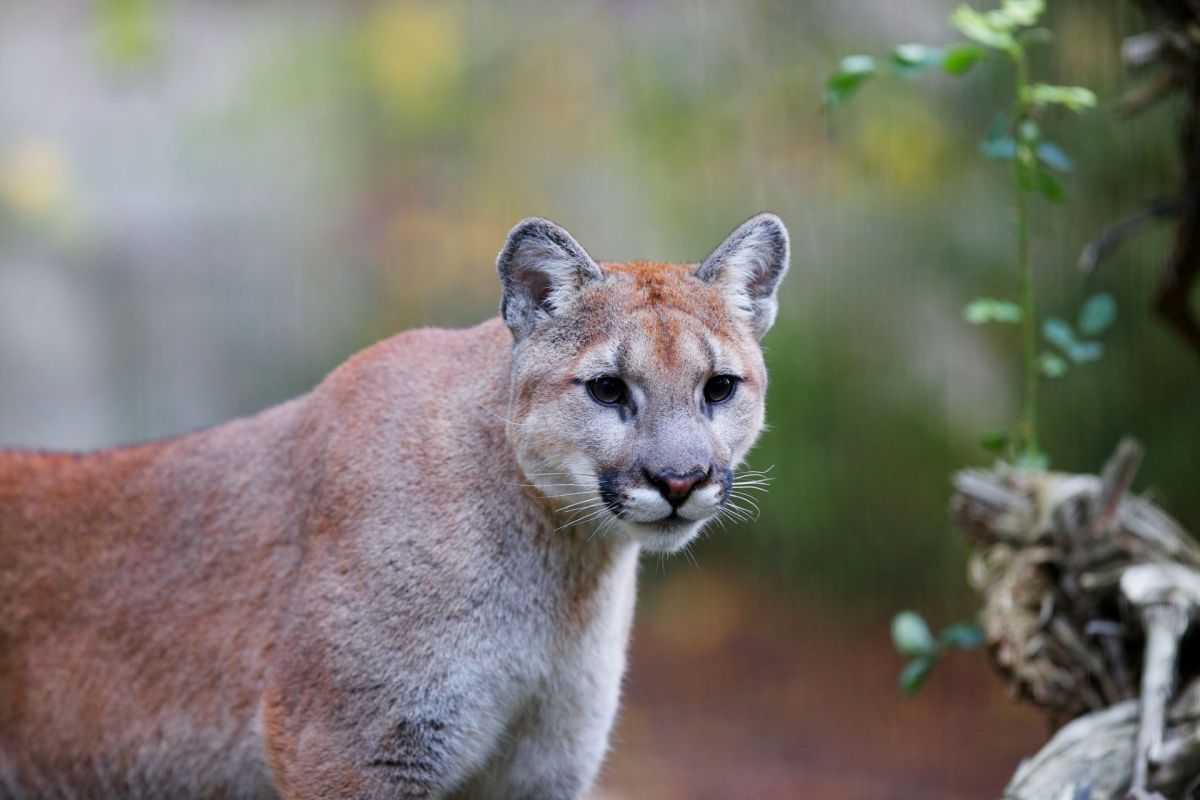
A court dispute over Arizona's mountain lion hunting policy is renewing scrutiny of how wildlife management affects ecosystem health and the long-term shape of nearby human communities.
Conservation advocates say the state is allowing too many young mountain lions to be killed, raising concerns that sport hunting may be outpacing the species' ability to recover.
What happened?
According to KJZZ, a conservation group has sued the Arizona Game and Fish Department over Arizona's rules for sport hunting mountain lions, contending that the state's current policies put the animals in danger.
The lawsuit asks the court to pause the issuance of new hunting permits until Arizona's mountain lion population has "recovered and is sustainable." The case centers on claims that state data shows kittens or juveniles account for more than half of the mountain lions killed by hunters.
Robin Silver, a co-founder of the nonprofit Center for Biological Diversity, said that data was a major reason the group decided to take the issue to court. The lawsuit argues that allowing large numbers of younger animals to be killed is undermining the health of the population.
Arizona Game and Fish officials have declined to comment because the case is pending. The state's mountain lion hunting season begins in August.
TCD Picks » Quince Spotlight
💡These best-sellers from Quince deliver affordable, sustainable luxury for all




Why does it matter?
Because mountain lions are apex predators, shifts in their numbers can affect much more than the species itself. If predator populations become unstable, the consequences can spread through prey populations, vegetation, and the broader condition of the habitat.
Healthy ecosystems support cleaner water, stronger biodiversity, and landscapes that are more resilient to pressures such as drought, habitat fragmentation, and climate stress.
The case also turns on how agencies respond when their own wildlife data suggests a species may be under pressure. If younger animals make up a disproportionate share of the kill, critics say that could weaken the population's ability to rebound.
More broadly, the dispute highlights how the state weighs recreation against conservation and its stewardship duties over public lands and wildlife resources.
What's being done?
The main intervention is a lawsuit seeking to block new hunting permits until the state's mountain lion population has stabilized. If the judge agrees, Arizona could be required to take a closer look at how it sets those hunting rules, according to KJZZ.
Court proceedings could also draw greater public attention to population data and whether current regulations align with conservation goals.
As Silver put it: "The Arizona Game and Fish Department and the Arizona Game and Fish Commission won't respect their own data. We don't have a choice. We need to have a judge help educate them."

Get TCD's free newsletters for easy tips, smart advice, and a chance to earn $5,000 toward home upgrades. To see more stories like this one, change your Google preferences here.







