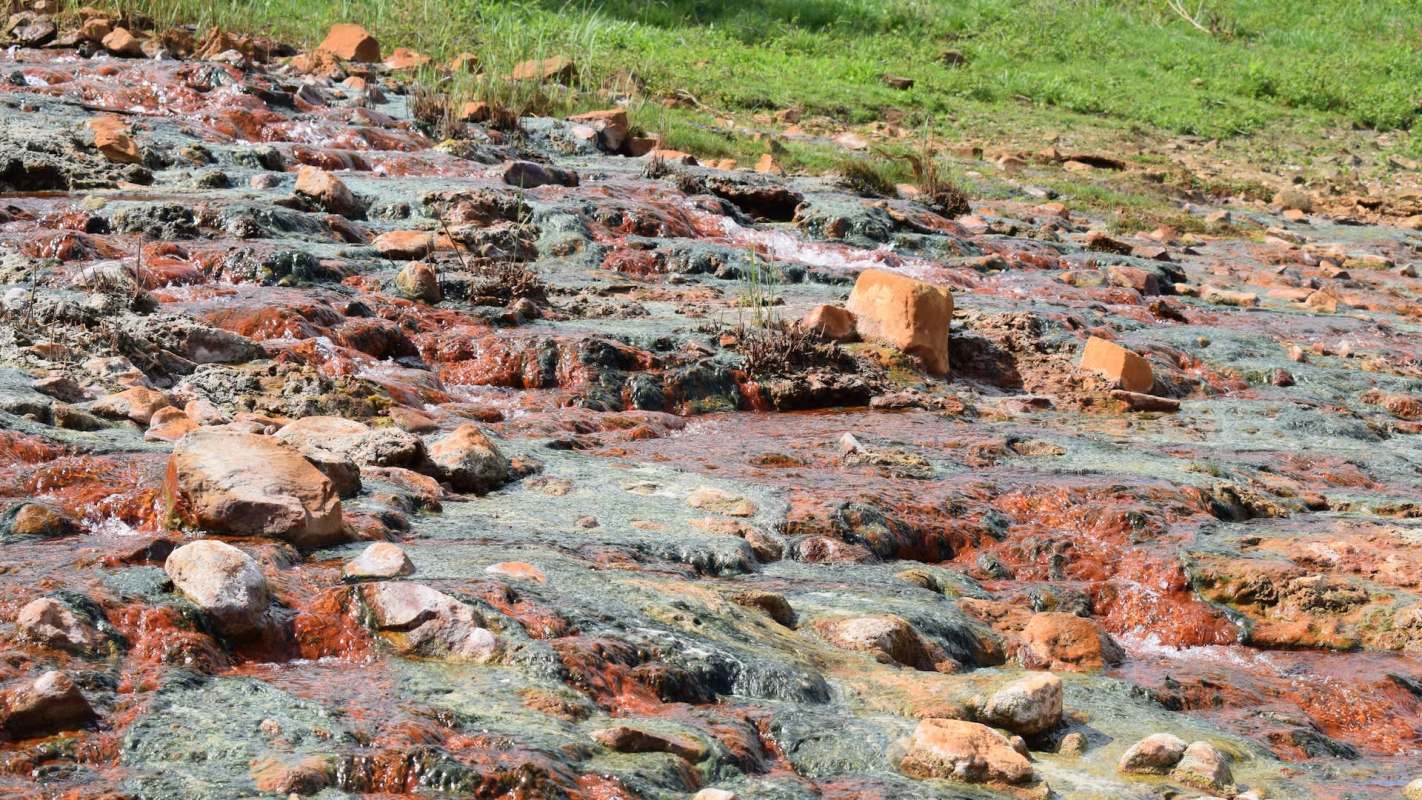
New research has revealed what's causing some Arctic rivers to turn rusty orange.
What's happening?
Umeå University in Sweden published a study in Proceedings of the National Academy of Sciences and shared their findings in Science Daily, showing the role ice plays in dissolving iron minerals. Jean-François Boily, the study's co-author, explained that ice isn't passive but actually is more efficient than liquid water at dissolving minerals. Tiny pockets of water between ice crystals act as chemical reactors.
"This means they can react with iron minerals even at temperatures as low as minus 30 degrees Celsius (minus 22 Fahrenheit)," said Boily.
As global temperatures rise and permafrost thaws, it releases minerals and sediments that had been stored for thousands of years. When the ice freezes again, it reacts with those minerals, causing discoloration of the rivers.
Why is permafrost important?
Permafrost refers to any layer of soil that has been continuously frozen for at least two years, but often for hundreds, if not thousands. It is one of the planet's great carbon sinks, and as much as 92 billion gigatons is held beneath the ice.
As Inside Climate News noted, that's equivalent to almost 20% of all pollution since the onset of the Industrial Revolution. There's still a great deal that's not fully understood about permafrost, and studies like the one undertaken by Umeå University are critical to filling those gaps in the scholarship.
Perk up the winter blues with natural, hemp-derived gummies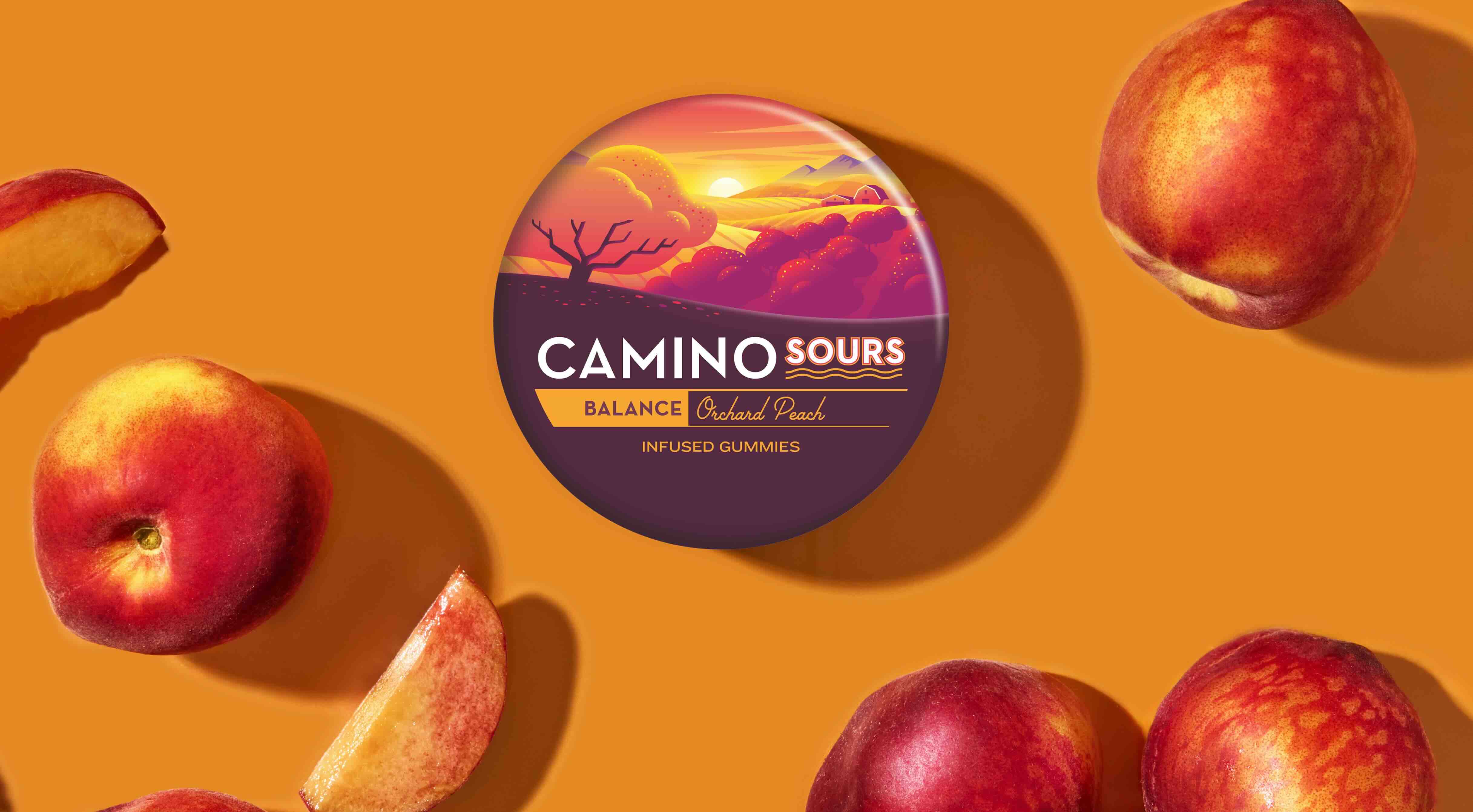 Camino's hemp-derived gummies naturally support balance and recovery without disrupting your routine, so you can enjoy reliable, consistent dosing without guesswork or habit-forming ingredients. Flavors like sparkling pear for social events and tropical-burst for recovery deliver a sophisticated, elevated taste experience — and orchard peach for balance offers everyday support for managing stress while staying clear-headed and elevated.
Learn more → |

One of the paper's authors, Angelo Pio Sebaaly, explained that a warming planet leads to more frequent freeze-thaw cycles, with serious consequences: "Each cycle releases iron from soils and permafrost into the water. This can affect water quality and aquatic ecosystems across vast areas."
Arctic ice melt has additional negative consequences. It can lead to higher tides during extreme weather events, increased spread of disease, and disruption of our food systems.
While extreme weather events have always existed, scientists have found that human-induced climate change supercharges them, making them more intense and dangerous.
The study focused on permafrost in acidic environments; further research is underway to determine whether the findings apply to other iron-holding ice.
TCD Picks » Upway Spotlight
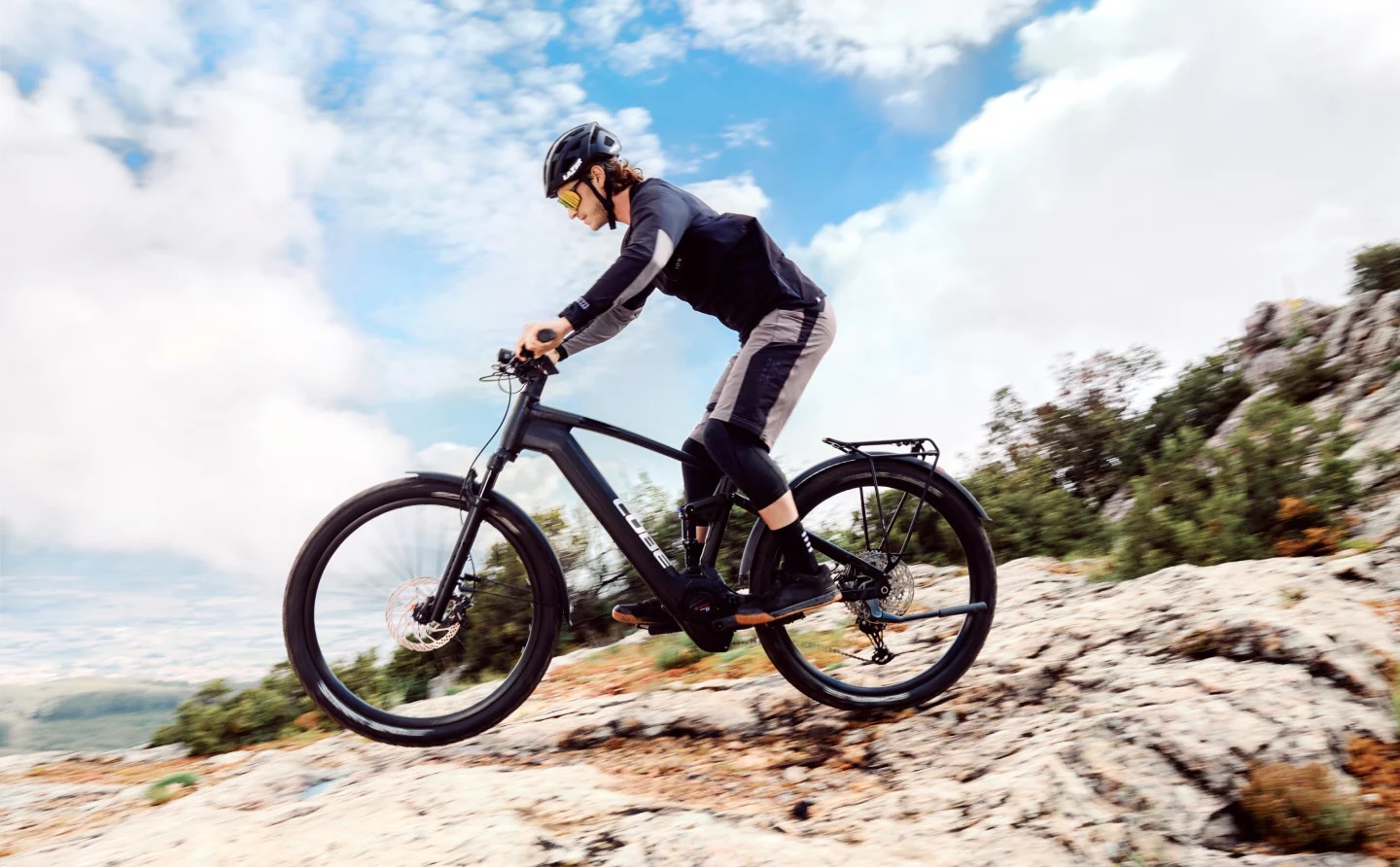
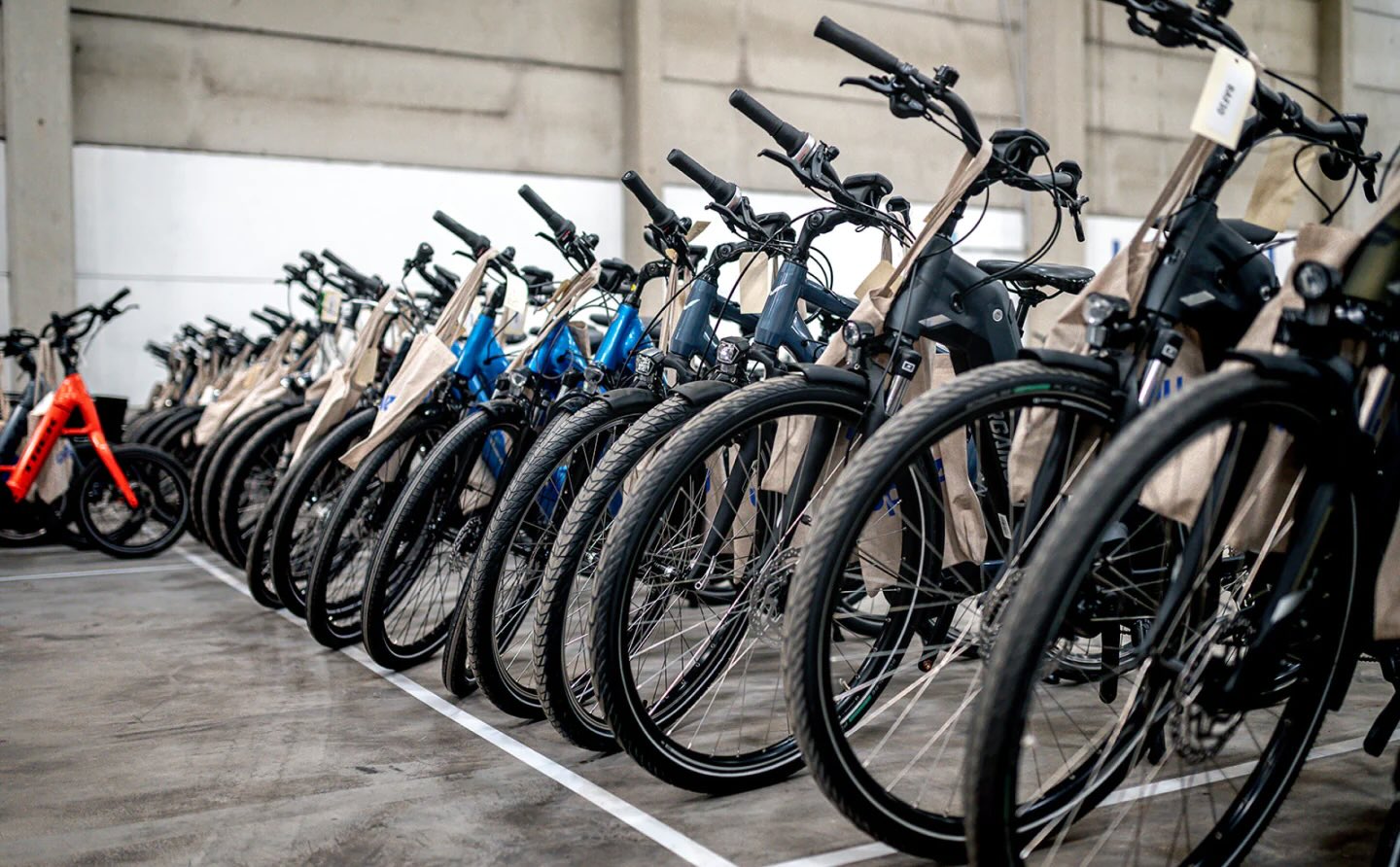
💡Upway makes it easy to find discounts of up to 60% on premium e-bike brands



What's being done about permafrost thaw?
Further study is needed to fully understand the threats of thawing permafrost and to inform decision-makers about future policy. Regardless, it's imperative to eliminate the harmful pollution causing permafrost thaw. That requires a combination of individual actions, spreading the word, and making your vote count.
|
How often do you worry about the quality of your drinking water? Click your choice to see results and speak your mind. |
 Never 👎
Join our free newsletter for good news and useful tips, and don't miss this cool list of easy ways to help yourself while helping the planet.
Cool Picks