


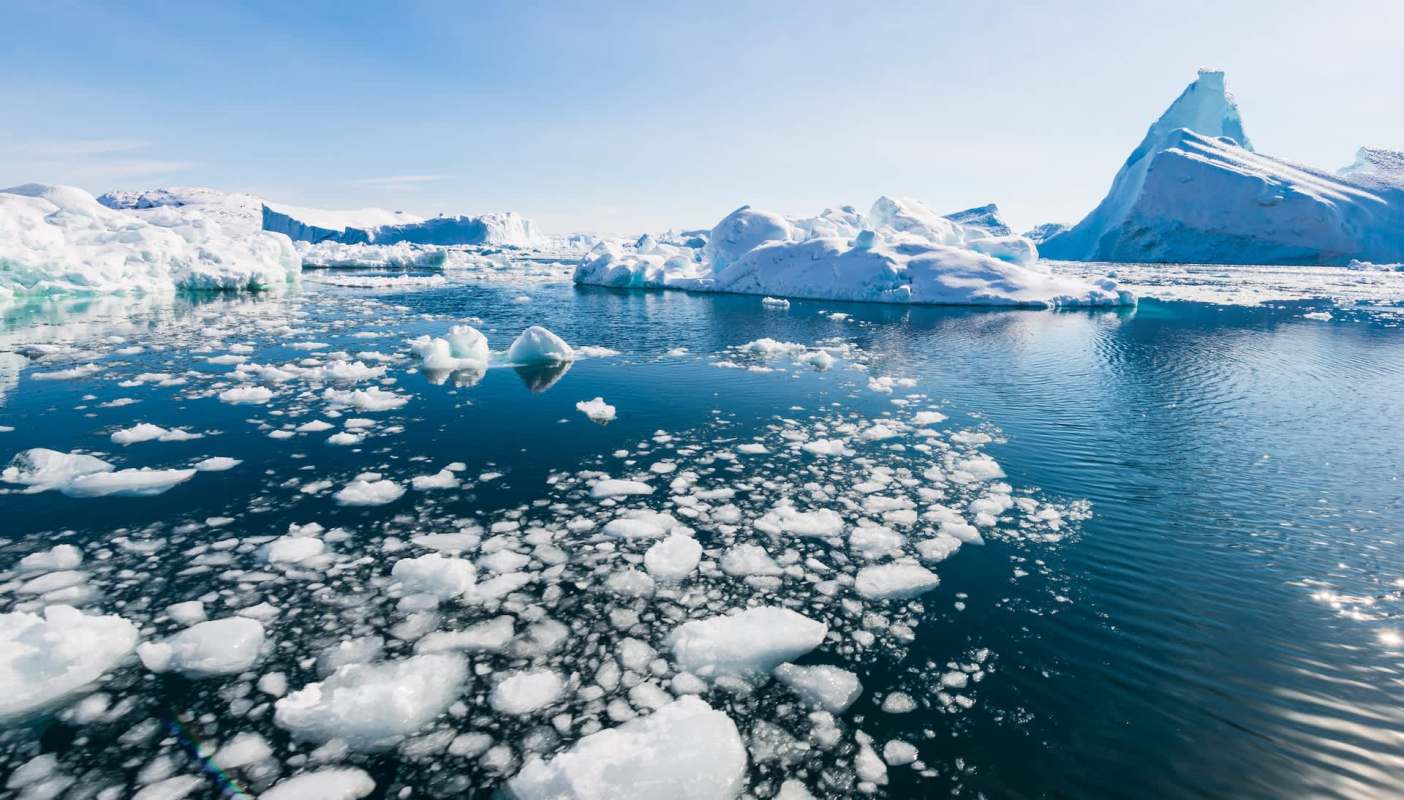
Scientists continue to uncover mounting evidence that melting Arctic glaciers are changing our world forever.
Rapid sea ice declines are reshaping polar regions, raising sea levels globally, and intensifying extreme weather patterns.
What's happening?
As Türkiye Today reported, climate researchers warn that extreme ice-melting events are increasing in frequency and pushing the Arctic past its tipping point.
The Arctic region has been experiencing temperatures well above historical levels, with more frequent summer extremes. NASA and the European Space Agency have collected satellite measurements over time and observed sustained declines in Arctic sea ice over the past 40 years.
However, the impacts of this ice melt extend far beyond the Arctic region, as sea levels are rising globally. Higher seas increase coastal flooding risk and threaten low-lying cities.
Meanwhile, melting ice is also changing the atmosphere throughout the Northern Hemisphere and leading to more frequent heatwaves, extreme cold, floods, and droughts.
Many species rely on Arctic ecosystems, and melting glaciers are disrupting the habitats and breeding cycles of vulnerable animals.
Why is Arctic ice melt important?
As researchers continue to highlight in their Arctic studies, melting glaciers in Earth's far northern regions affect many other places worldwide.
They emphasize the need to reduce society's reliance on pollution-intensive energy sources like coal, oil, and gas. Pollution in the atmosphere is directly linked to rising global temperatures and glacier melt.
Without immediate, targeted action, many animal species will experience population declines and may even become extinct. Coastal communities stand to be destroyed at the expense of lost lives, property, and infrastructure.
TCD Picks » Quince Spotlight
💡These best-sellers from Quince deliver affordable, sustainable luxury for all




|
Do you think America could ever get all of its power from clean energy? Click your choice to see results and speak your mind. |
 No way 👎
 Within decades, scientists predict that the Arctic region could experience summers with nearly no ice at all. This phenomenon could have significant, irreversible global consequences.
What's being done about melting sea ice?
Fortunately, many experts are studying Arctic ice melt and developing innovative ways to prevent further sea ice loss. They are issuing public warnings about rising temperatures in Arctic waters and how the region is changing dramatically.
This work is crucial because it helps people understand how climate change is intensifying extreme weather events and increasingly endangering people's lives.
You can do your part to raise awareness of critical climate issues like Arctic ice melt by sharing news stories like this one with people you know.
You can also take sustainable steps in your own life to help reduce pollution that contributes to Arctic warming. For example, installing solar panels on your home can help you save money on monthly bills while making you more resilient to intense storms and curbing your pollution output.
TCD's Solar Explorer can help you get started in evaluating your solar options. It can also connect you with trusted partners like EnergySage to save thousands of dollars on new solar installations.
Collectively, individual actions, when combined with widespread adoption, can help ensure a breathable, livable planet for the future.

Get TCD's free newsletters for easy tips to save more, waste less, and make smarter choices — and earn up to $5,000 toward clean upgrades in TCD's exclusive Rewards Club.
Cool Picks






