


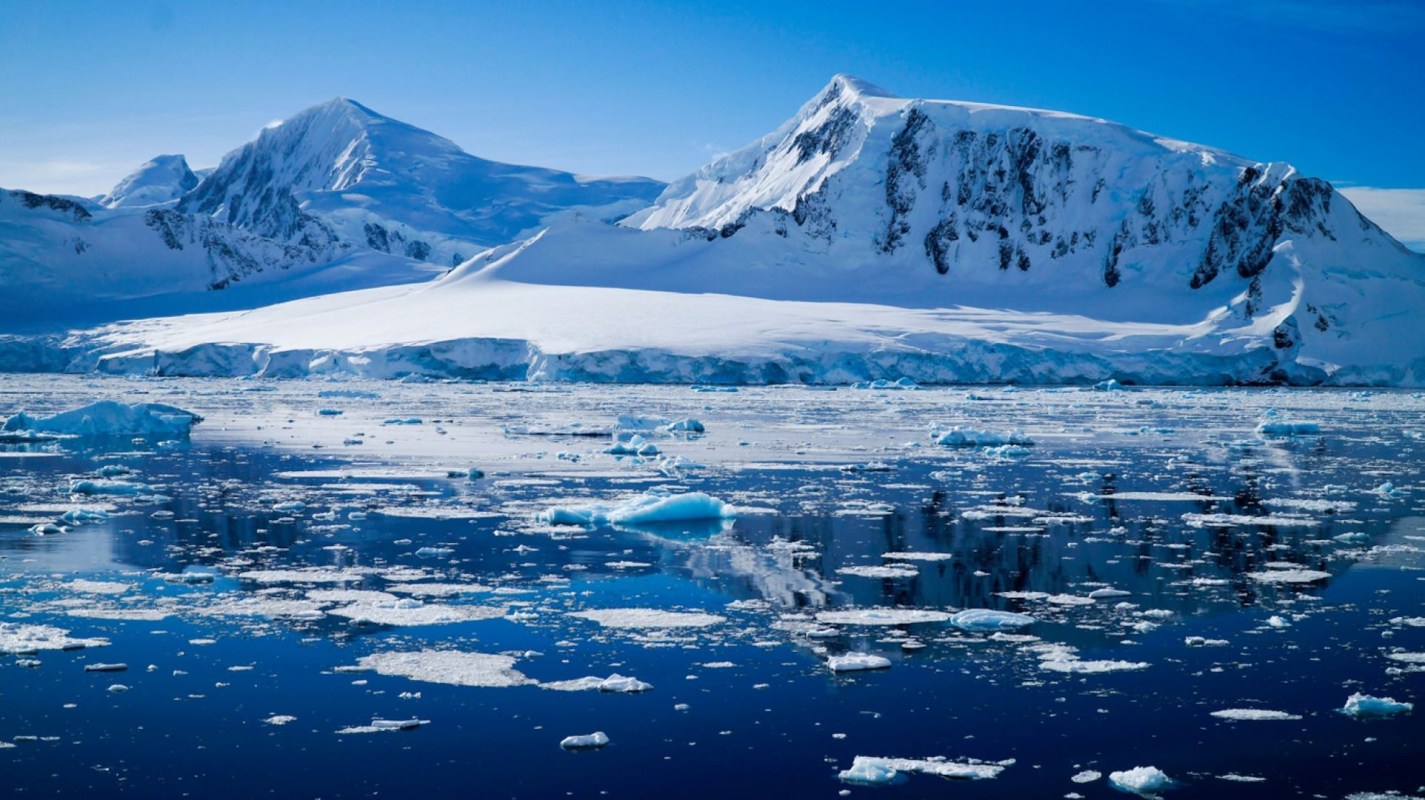
The Arctic region is rapidly changing, and even the mud at the bottom of fjords is revealing how our warming planet is reshaping the Earth.
What's happening?
Deep beneath icy Arctic waters, scientists have uncovered how rising temperatures are changing how the ocean stores carbon.
They published their findings in the journal Biogeosciences after collecting sediment cores from various parts of an Arctic fjord. Isotopic and chemical tools were used to determine the extent to which organic matter is derived from marine life, soil, plants, and ancient rocks.
Upon investigation, they observed that warm Atlantic waters have increasingly intruded into the fjord, thereby increasing marine-derived organic carbon.
This discovery enabled the researchers to draw connections between the Arctic's melting glaciers, ocean current shifts, and the rate at which sediments bury organic carbon.
Why are Arctic research studies important?
The study provides tangible evidence of changing Arctic ecosystems, especially with the arrival of warmer Atlantic waters. As ice rapidly melts, glaciers retreat and water chemistry changes.
Perk up the winter blues with natural, hemp-derived gummies Camino's hemp-derived gummies naturally support balance and recovery without disrupting your routine, so you can enjoy reliable, consistent dosing without guesswork or habit-forming ingredients. Flavors like sparkling pear for social events and tropical-burst for recovery deliver a sophisticated, elevated taste experience — and orchard peach for balance offers everyday support for managing stress while staying clear-headed and elevated.
Learn more → |

Arctic fjords are prime ecosystems for carbon storage, which is important for regulating the climate and providing a stable environment for all life forms.
When the rate of carbon burial changes, there can be ripple effects in how much carbon remains in the atmosphere.
All of these warning signs highlight the urgent climate needs in the Arctic and underscore the importance of taking action to preserve these fragile, rapidly changing parts of our world.
What's being done to support Arctic ecosystems?
Studies like this raise public awareness of critical climate issues, such as Arctic glacier melt. They can inspire additional research and policy change that ensures vulnerable regions are conserved and protected as much as possible for the future.
TCD Picks » Upway Spotlight
💡Upway makes it easy to find discounts of up to 60% on premium e-bike brands





|
How concerned are you about the plastic waste in our oceans? Click your choice to see results and speak your mind. |
 Extremely 😫
 "Given their role as critical organic carbon reservoirs, Arctic fjords may function as both sources and sinks of carbon in a warming climate, emphasizing the need for further research to assess the long-term consequences of climate-induced changes on regional carbon cycling," the researchers wrote.
Individuals can also curb planet-warming pollution that contributes to rising global temperatures by making sustainable choices in their daily lives.
For example, installing solar panels can reduce the need for grid-provided power that still relies heavily on burning dirty fuels. The technology can also help you save money on utility bills while reducing pollution where you live, and increase a home's energy independence and resilience.
To save thousands of dollars on your new solar setup, check out TCD's Solar Explorer to connect to trusted local installers.
Additionally, you can help protect Arctic ecosystems by donating to conservation groups and voting for pro-climate candidates who will advocate for their protection.

Join our free newsletter for good news and useful tips, and don't miss this cool list of easy ways to help yourself while helping the planet.
Cool Picks






