


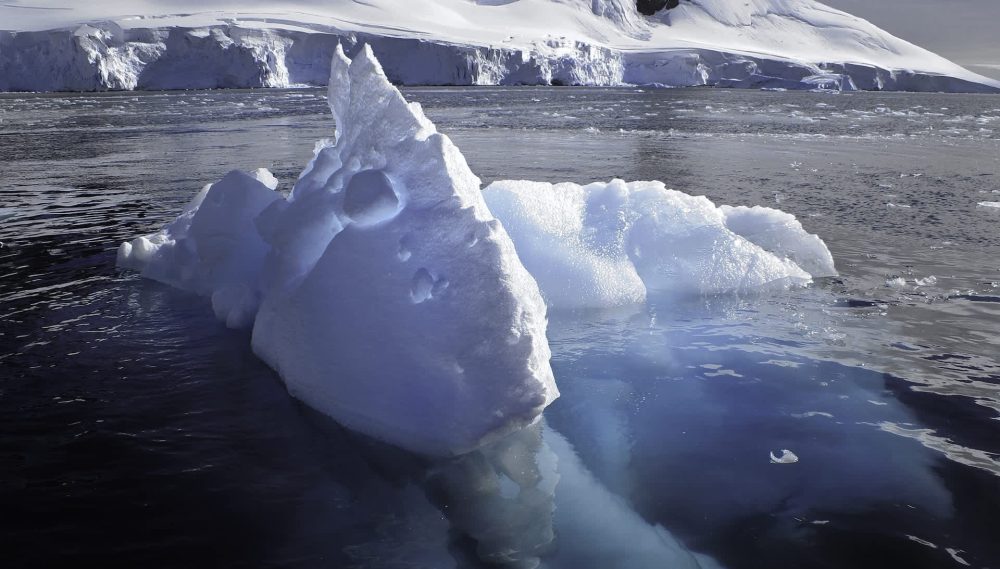
Antarctica may be a continent, but it is actually composed of differing regions — many of which are getting closer to a precarious tipping point.
What's happening?
According to research published in the journal Nature Climate Change, different parts of Antarctica, which act as drainage basins, all respond differently to the Earth's rising temperatures. Some of the regions tend to lose ice more gradually, while others have a more dramatic, irreversible reaction that causes larger parts to "disintegrate."
It is said that 40% of the Antarctic ice sheet is susceptible to as small as a rise of 1-2 degrees Celsius (1.8-3.6 Fahrenheit) over preindustrial global temperatures.
A few degrees more would mean the loss of vulnerable regions in eastern Antarctica, which could cause sea levels to rise over 16 feet.
In natural circumstances, ice sheets are formed and melted over thousands of years, but human activity has accelerated the process, and some unchangeable effects could take place in mere decades.
Why are Antarctica's melting ice regions important?
It's crucial that people pay attention to multiple areas of Antarctica, the study's authors said. "It's not one single threshold we need to watch in Antarctica — it's a sequence," Ricarda Winkelmann, the lead author, explained, per EurekAlert!
The impact of rising sea levels on human beings is potentially cataclysmic. As melting of Antarctica's ice sheets is triggered by both air and water temperatures, and the total area continues to shrink, millions of people living in coastal cities stand to have their lives disrupted by erosion and flooding, salinization of their groundwater, and the simple displacement of their homes.
For the natural world, there are potentially irreversible damages as well. Marine ecosystems will be thrown out of balance, and the whole planet's climate systems could shift.
As these tipping points are reached, there are possible "feedbacks" that scientists are concerned about, where the melting itself makes the ice more vulnerable to further melting by exposing deep layers of ice to light or bringing the surface of the ice closer to the heat of the Earth.
What's being done to protect the Antarctic Ice Sheet?
The research itself is action. Studies like these help people make sense of what's happening to Antarctica and to the planet's seas.
TCD Picks » Upway Spotlight
💡Upway makes it easy to find discounts of up to 60% on premium e-bike brands





|
Which of these savings plans for rooftop solar panels would be most appealing for you?
Click your choice to see results and speak your mind. |
 Save $1,000 this year 💸
 As information is dispersed, it helps policymakers enact statutes to slow the rising global temperatures. Programs like the Scientific Committee on Antarctic Research, which also studies the health of Antarctica's species, such as penguins, and assessments by the Intergovernmental Panel on Climate Change support these policies.
If nations work to honor the Paris Agreement by the middle of this century, with reduced carbon pollution and a shift to renewable energy as global goals, human beings can slow rising temperatures and prevent catastrophe.

Get TCD's free newsletters for easy tips to save more, waste less, and make smarter choices — and earn up to $5,000 toward clean upgrades in TCD's exclusive Rewards Club.
Cool Picks






