


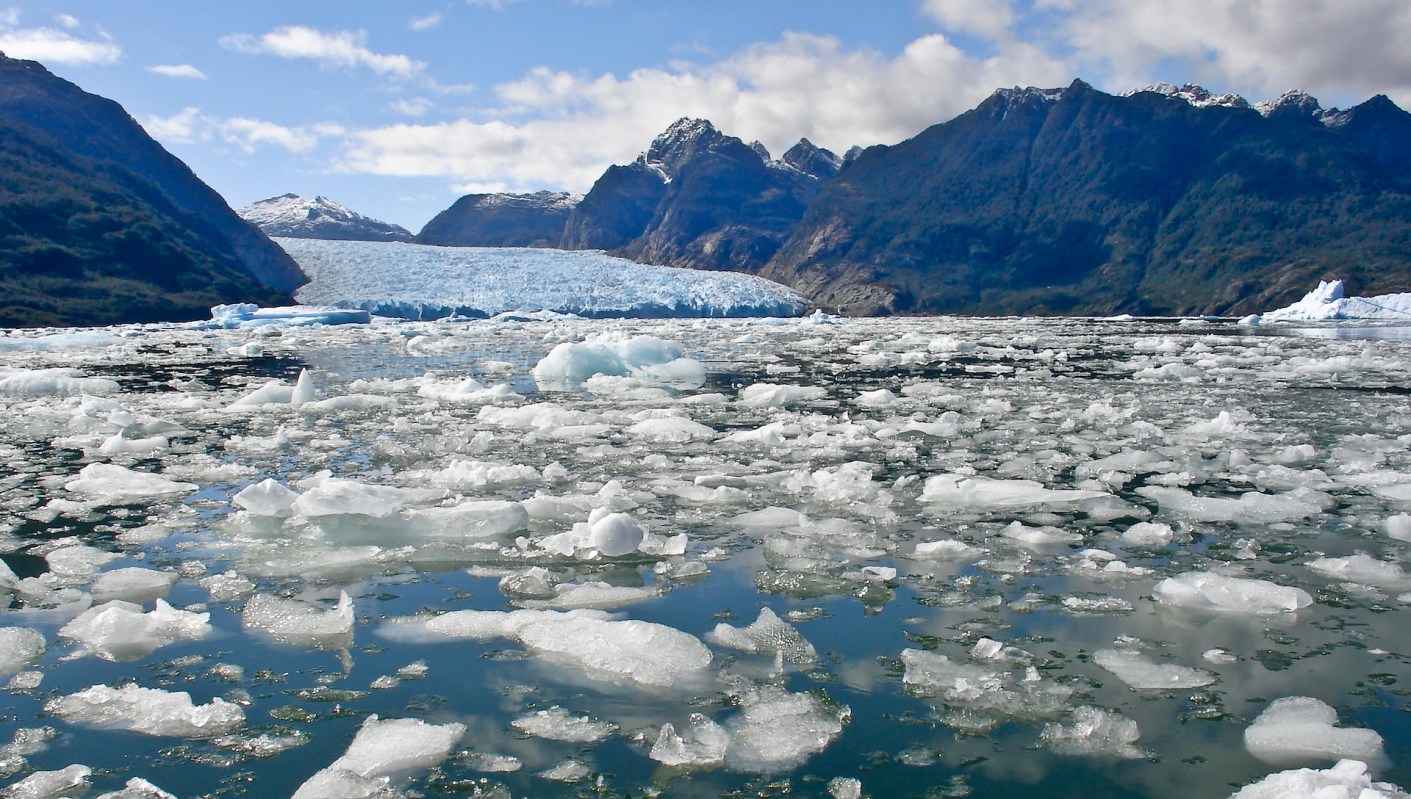
Research has uncovered an unfortunate reality of our global plastic pollution crisis.
What's happening?
Experts from the University of Kentucky have found evidence of microplastics in the bodies of an insect in Antarctica.
In the study, published in the journal Science of the Total Environment, the authors explained that the fly is naturally very resilient to survive in such a harsh climate.
"So, the big question was: Does that toughness protect them from a new stress like microplastics or does it make them vulnerable to something they've never seen before?" said Jack Devlin, author of the study.
The Belgica antarctica is a small fly living in one of the most remote places in the world, and it's the only insect native to the continent. Microplastics were found in the larvae of the flies.
Why are microplastics concerning?
It's alarming that microplastics have reached such a remote corner of the world that has few human residents. It's an indication that plastic pollution has reached a critical point.
Rampant and unchecked overconsumption of plastic-based products is poisoning our environment. Not only is plastic littered on the ground and in the ocean, but microplastics are found in the water we drink and inside our bodies.
"Antarctica still has much lower plastic levels than most of the planet, and that's good news," Devlin said.
"Our study suggests that, right now, microplastics are not flooding these soil communities. But we can now say they are getting into the system, and at high enough levels they start to change the insect's energy balance."
What's being done about it?
The authors said more long-term research is needed to track changes in microplastic levels in Antarctic soil. They also recommend longer, more complex tests on insects and other soil organisms.
TCD Picks » Upway Spotlight
💡Upway makes it easy to find discounts of up to 60% on premium e-bike brands




|
How do you feel about microplastics being inside our bodies? Click your choice to see results and speak your mind. |
 I want them out now 🚫
 "Antarctica gives us a simpler ecosystem to ask very focused questions," said Devlin.
"If we pay attention now, we might learn lessons that apply far beyond the polar regions."

Get TCD's free newsletters for easy tips to save more, waste less, and make smarter choices — and earn up to $5,000 toward clean upgrades in TCD's exclusive Rewards Club.
Cool Picks






