


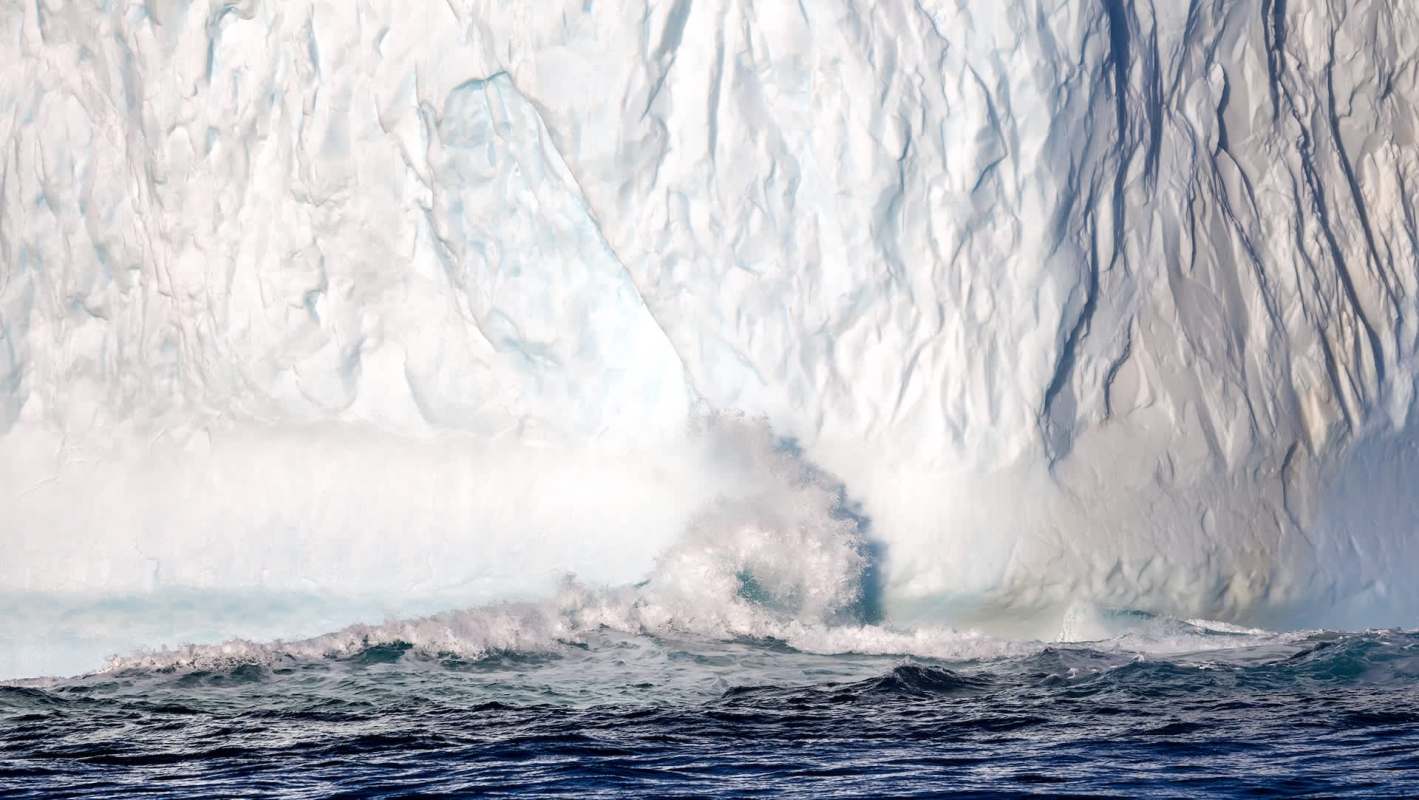
A study published in Nature Geoscience found that Antarctic meltwater can reshape ocean currents in ways that accelerate further ice loss.
The study, led by University of Maryland scientist Madeleine Youngs, shows that meltwater from Antarctica can disrupt the natural balance between warm and cold water layers in the Southern Ocean.
Under normal conditions, cold, dense water sinks and helps block warmer deep water from reaching ice shelves. That barrier helps slow melting from below.
But when large amounts of freshwater from melting ice enter the system, it reduces ocean salinity and weakens that sinking process.
As a result, the insulating layer breaks down, allowing warmer water to reach the undersides of ice shelves more easily.
Once that happens, melting accelerates, releasing even more freshwater into the ocean and further weakening the protective barrier.
TCD Picks » Quince Spotlight
💡These best-sellers from Quince deliver affordable, sustainable luxury for all




As Youngs explained in a University of Maryland press release, "It's a positive feedback loop where more melt leads to warmer water reaching the ice, which causes even more melt."
Researchers said this feedback mechanism is often missing or oversimplified in major climate models used to guide policy decisions, including assessments from the Intergovernmental Panel on Climate Change.
In many projections, ice melt is treated more like a fixed input rather than part of an interacting system. Current sea-level rise forecasts may be too conservative if they fail to fully capture how Antarctic ice loss and ocean circulation influence each other in real time.
According to the IPCC, more than 680 million people live in low-lying coastal zones. Even small rises in sea level can increase flooding, storm surge damage, and long-term displacement.
The effects are not uniform across Antarctica. In regions such as the Weddell Sea, warm water intrusion beneath ice shelves can strongly amplify melting.
In contrast, areas like the Amundsen Sea and the West Antarctic Peninsula may occasionally experience short-term cooling at the surface due to freshwater layering. This temporary buffer depends on ongoing upstream melt and does not reduce overall sea-level contribution.
To improve protections, Youngs said, "We need to include ice shelf melt feedbacks when we're estimating future ice shelf melt, the primary component of sea level rise, if we want the most accurate understanding of what's going on."
That includes tracking how freshwater changes ocean structure across different regions and how those changes could feed back into future ice loss.
The researchers are already developing higher resolution simulations to better capture these processes and to project Antarctic conditions through 2100.
Better modeling will not stop sea-level rise, but it can improve how and when societies prepare for its impacts.
"This is really just a first investigation into this topic," Youngs said. "What we're showing is that the feedbacks in the Antarctic region are real, extremely impactful and vary depending on where they take place on the continent. We can't just consider the direct impact of a warming atmosphere."

Get TCD's free newsletters for easy tips, smart advice, and a chance to earn $5,000 toward home upgrades. To see more stories like this one, change your Google preferences here.







