


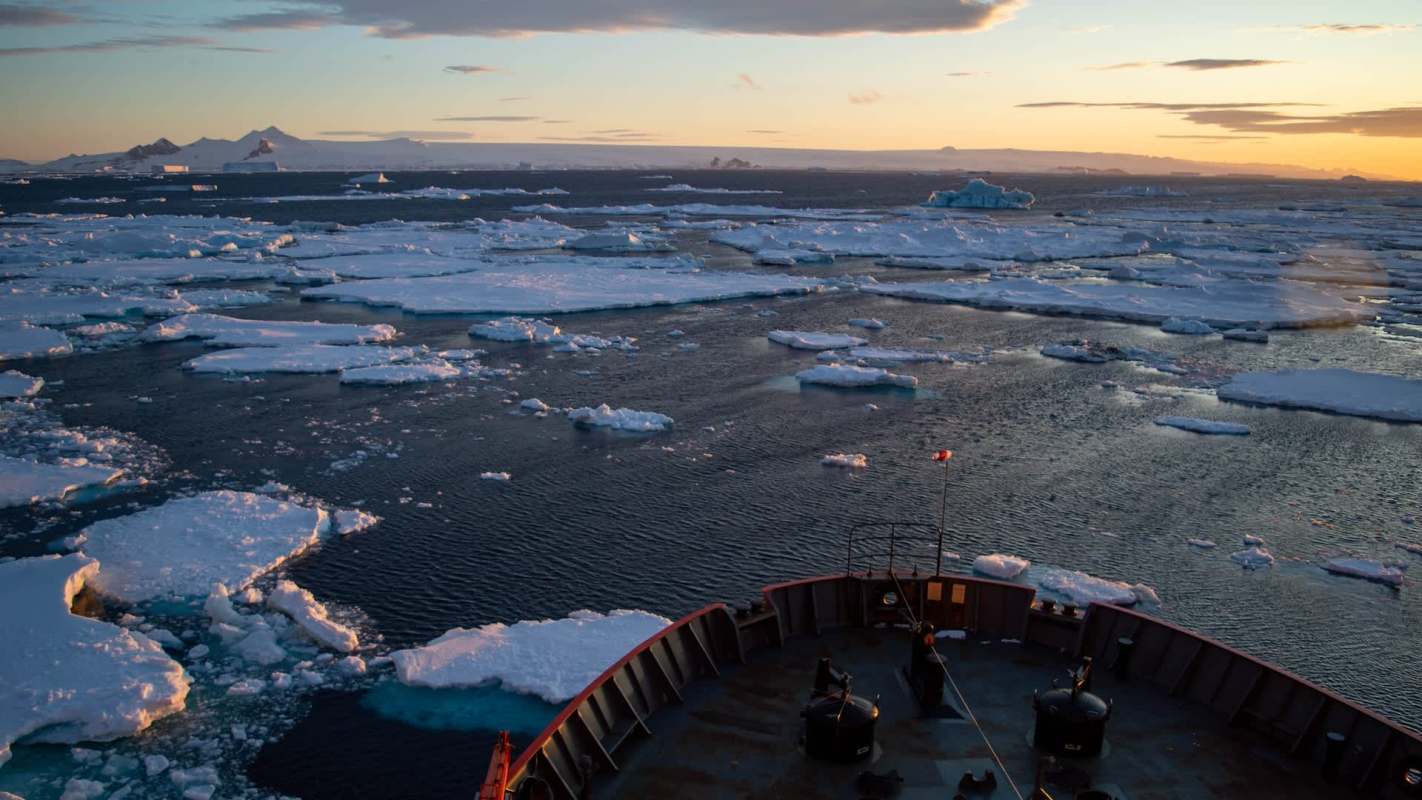
Researchers have found that the iron released by melting ice in West Antarctica isn't in a form that benefits marine life. That may spell trouble for the ocean's ability to absorb carbon pollution.
What's happening?
According to ScienceDaily, the study found that iron released by melting ice in West Antarctica is not suitable for marine life. This change is significant because iron's usual role in the ocean is to support algae growth, which is vital for absorbing carbon pollution.
The researchers believe that the chemical properties of the iron-rich sediment are responsible. Extreme weathering likely altered the iron, making it hard for the algae to use to support growth, ScienceDaily explained.
Due to this change, the continued loss of ice could mean less algae, which may reduce the ocean's ability to absorb planet-warming carbon dioxide.
"This reminds us that the ocean's ability to absorb carbon isn't fixed," said study co-author Gisela Winckler, a professor at the Columbia Climate School, per ScienceDaily.
Why is this difference significant?
Generally, iron plays a significant role in fertilizing algal populations in the Southern Ocean. Increased algae helps the ocean absorb more carbon dioxide, which is beneficial for global cooling, ScienceDaily reported.
However, the chemical properties of the iron-rich sediment do not introduce the same reaction. "We were very surprised by this finding," lead author Torben Struve said, according to ScienceDaily.
As temperatures continue to rise, the West Antarctic Ice Sheet may thin further. ScienceDaily added that this thinning could lead to increased erosion of the iron-rich layers beneath the glaciers, depositing more of it into the water.
Since this iron isn't beneficial to algae, populations won't expand as much, which could reduce carbon uptake. Less carbon absorption could worsen the effects of rising temperatures.
One such effect is rising sea levels, which could have devastating consequences worldwide. It can contaminate freshwater sources, cause severe flooding, and displace millions of people, per the Antarctic and Southern Ocean Coalition (ASOC).
TCD Picks » Quince Spotlight
💡These best-sellers from Quince deliver affordable, sustainable luxury for all




|
What's the most you'd pay per month to put solar panels on your roof if there was no down payment?
Click your choice to see results and speak your mind. |
 $200 or more 💰
 What's being done about melting ice?
Experts have long worried about melting glaciers and icebergs, warning of accelerated sea-level rise, warming oceans, and low ice totals. But researchers are developing solutions.
According to the Columbia Climate School, scientists have tried everything from creating artificial glaciers and using insulating blankets to securing legal protections.
On an individual level, the ASOC recommends voting for solutions-focused leaders and spreading the word. Even small actions such as carpooling, recycling, or eating more plant-based meals can help.

Get TCD's free newsletters for easy tips to save more, waste less, and make smarter choices — and earn up to $5,000 toward clean upgrades in TCD's exclusive Rewards Club.
Cool Picks




