


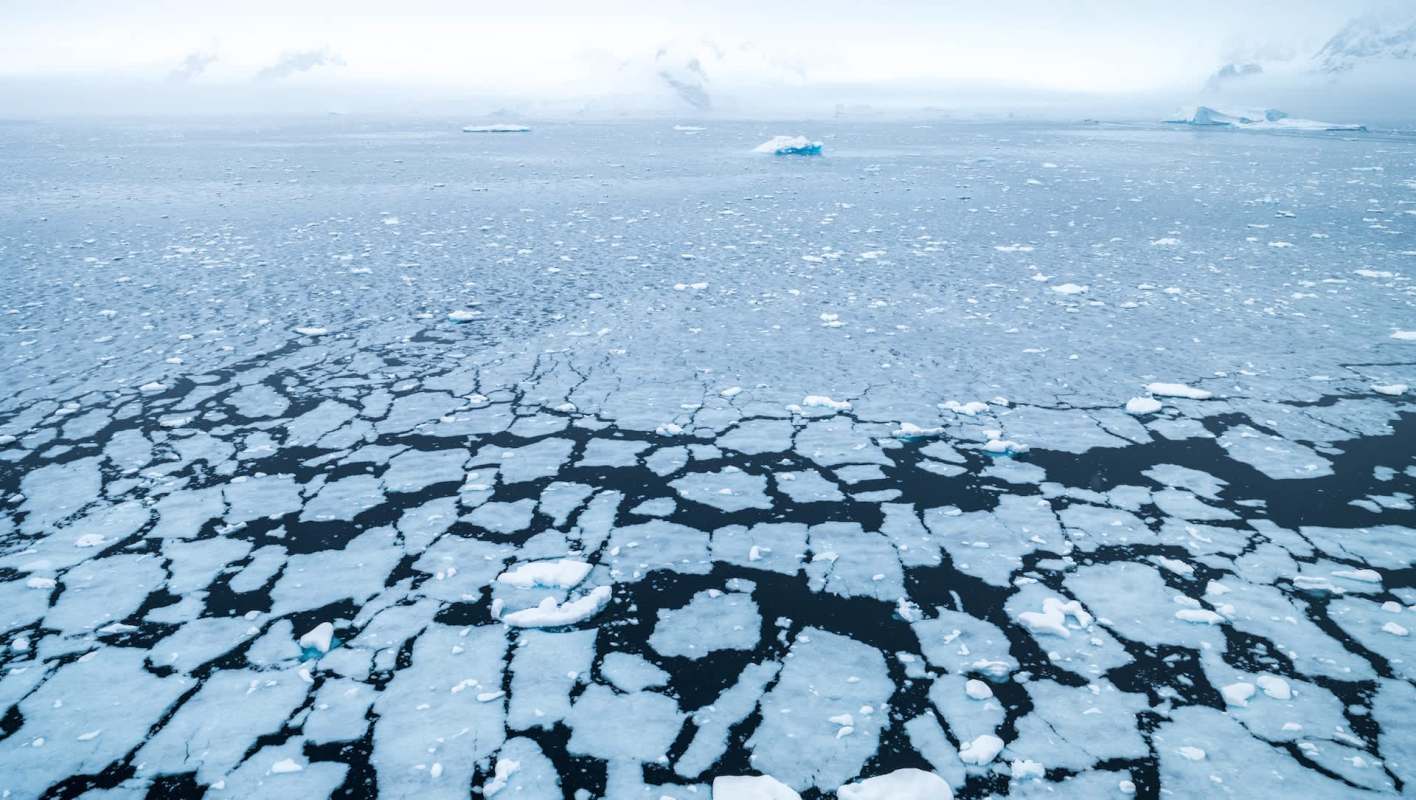
A new study suggests Antarctic ice melt is being accelerated by a dangerous double force, with warming air and water working together to destabilize the continent's massive ice sheets.
What's happening?
The study, published in the journal Nature Geoscience, examined sediment cores from Antarctica dating back to the warm Pliocene period, roughly 3.3 to 2.3 million years ago.
During that time, subtle shifts in Earth's orbit increased sunlight in certain regions, warming the planet in ways that help scientists understand modern trends.
Scientists compared ice behavior in West Antarctica and East Antarctica — two massive ice sheets once thought to respond differently to warming. However, the evidence showed both were vulnerable when air temperatures rose, not just when warmer ocean water eroded ice shelves from below.
That matters because it challenges a long-held assumption that ocean heat is the primary driver of Antarctic ice loss.
According to lead author Molly Patterson from Binghamton University, the combination of warming air and water delivers "a one-two punch on the system," raising global sea levels faster than expected.
Why is this concerning?
When Antarctic ice melts, the impacts ripple outward. Rising seas threaten coastal cities, as scientists tracking basal melting beneath East Antarctica's ice shelves have warned. This can flood homes, contaminate freshwater supplies, and strain local economies.
Arctic and Antarctic ice loss also disrupts ocean circulation, including changes near Antarctica's Cape Darnley ice shelf that researchers say could ripple through marine ecosystems and global seafood supplies.
As ice disappears, fish stocks that millions rely on can migrate or decline, threatening food security and fishing economies.
These changes aren't abstract. They're already showing up in rising home insurance costs linked to worsening extreme weather, along with mounting disaster response budgets and growing risks for communities in vulnerable regions.
TCD Picks » Quince Spotlight
💡These best-sellers from Quince deliver affordable, sustainable luxury for all




|
Do you think fracking should be illegal in America? Click your choice to see results and speak your mind. |
 Yes — everywhere 👏
 What's being done about it?
Researchers are already using these findings to change how they model future sea-level rise. The updated projections give coastal cities a clearer picture of the flooding risks, rising insurance costs, and infrastructure strain they're facing.
For everyone else, the message is simpler: the pollution that heats the air doesn't just hang around cities — it reaches the poles and weakens ice from above.
Small reductions in everyday pollution still matter. Whether it's leaving the car at home in favor of public transportation or using less plastic, positive lifestyle changes can improve environmental health and even help you save money.

Get TCD's free newsletters for easy tips to save more, waste less, and make smarter choices — and earn up to $5,000 toward clean upgrades in TCD's exclusive Rewards Club.
Cool Picks






