


Scientists studying ancient ice in Greenland have uncovered a warning for the modern world: A relatively modest eruption in Oregon sent ash more than 5,000 kilometers across North America and the Atlantic.
According to a report from Phys.org, the finding suggests volcanoes do not need to be massive to pose far-reaching risks to communities, transportation systems, and emergency planners.
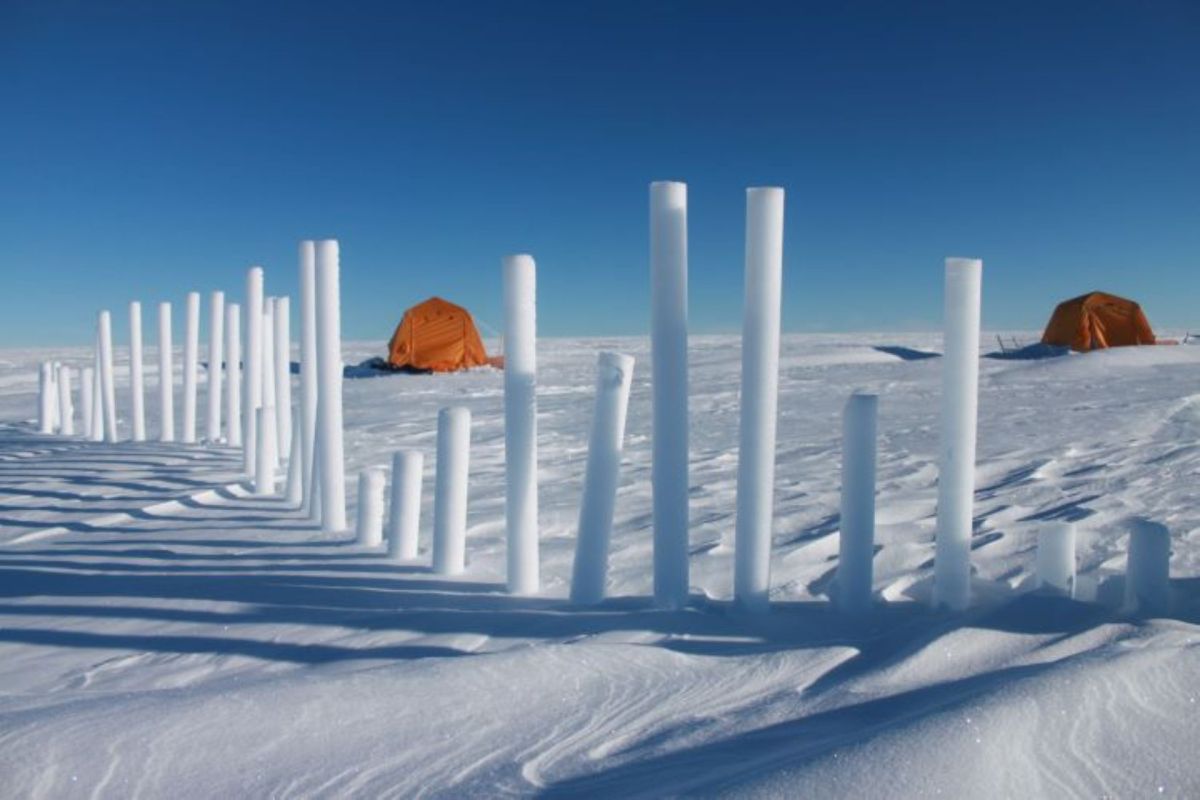
Researchers at the University of St Andrews reported in Quaternary Science Reviews that they had identified microscopic ash from Oregon's Newberry Volcano in a Greenland ice core. By matching the ash's chemical makeup to deposits from Newberry's most recent "Big Obsidian" eruptive period, they were able to confirm the source with unusual precision.
The discovery also helped scientists date the eruption more accurately. Rather than relying on a rough 140-year window around the turn of the seventh century, the team narrowed the event to within two years of 686 AD using Greenland ice-core age models.
The eruption itself was classified as VEI 4 on the Volcanic Explosivity Index — smaller than the 1980 Mount St. Helens eruption but larger than the 2010 Eyjafjallajökull eruption in Iceland that snarled European air travel.
Lead author Dr. Helen Innes said finding an exact match was "a really exciting moment," adding that the discovery offers "critical information about past eruptions, their precise timings and, importantly, their hazards on a very large scale."
TCD Picks » Quince Spotlight
💡These best-sellers from Quince deliver affordable, sustainable luxury for all




Scientists found an unexpectedly large amount of ash in Greenland from Newberry, showing that fine volcanic particles can travel much farther than many would assume for an eruption of this size.
The North Atlantic carries some of the world's busiest air traffic. Ash in the atmosphere can damage aircraft engines, disrupt schedules, and create cascading economic problems for travelers, workers, and supply chains.
Newberry remains active and is listed by the U.S. Geological Survey National Volcano Early Warning System in its "very high threat potential" category. Understanding how its past eruptions behaved can help improve forecasts, risk maps, and response plans meant to protect nearby communities.
Ice cores preserve detailed evidence of ancient eruptions, and studies like this give scientists a better sense of which volcanoes can spread ash far from their source. That can help aviation authorities, weather agencies, and governments prepare for future disruptions.
Scientists say coordinated planning is essential. As co-author Dr. William Hutchison noted, it is "vital that governments and international agencies are ready to respond in a coordinated way" when the next disruptive eruption happens.
"Discoveries like this can unlock so much critical information about past eruptions, their precise timings and, importantly, their hazards on a very large scale," Innes said.

Get TCD's free newsletters for easy tips, smart advice, and a chance to earn $5,000 toward home upgrades. To see more stories like this one, change your Google preferences here.







