


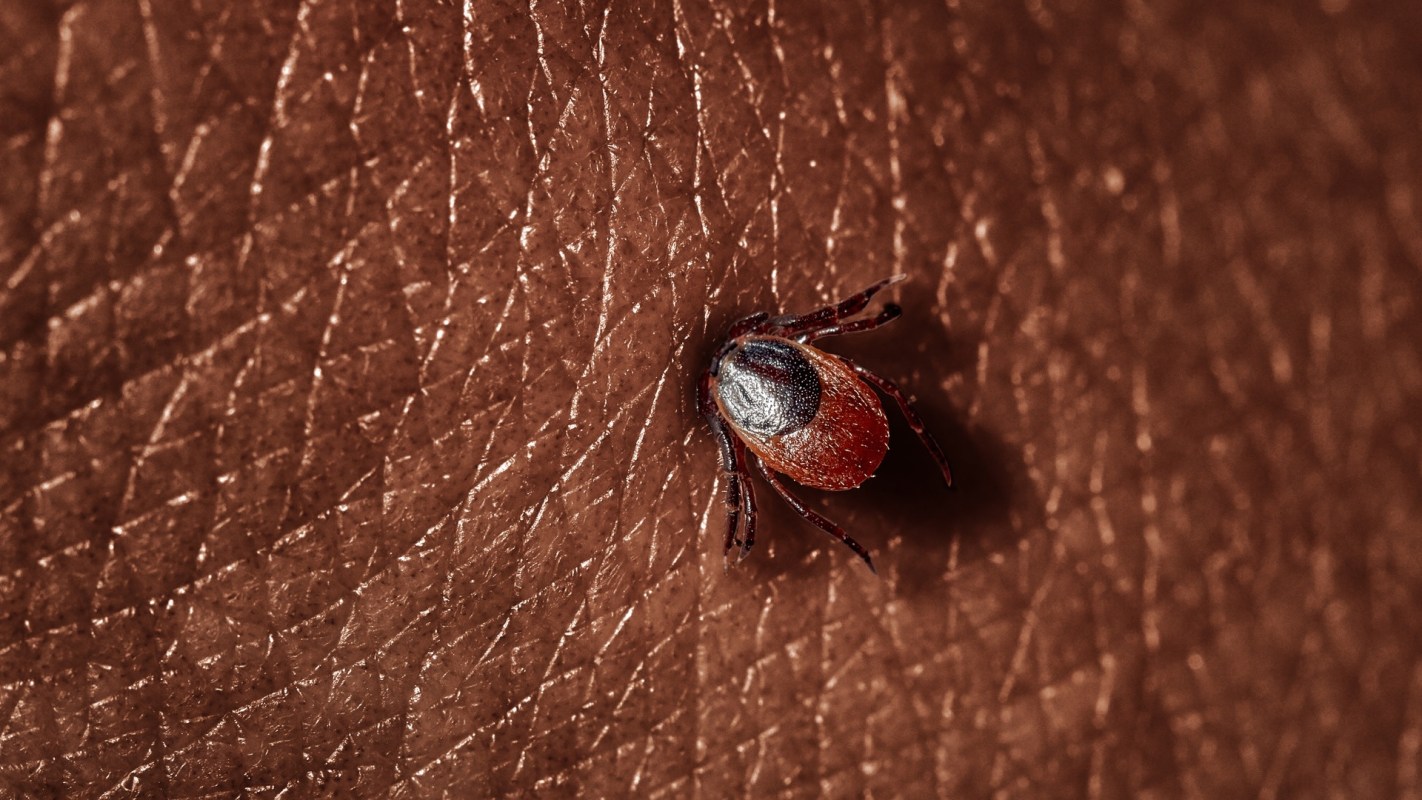
One Wisconsin county is reporting a spike in anaplasmosis, a disease spread by tick bites.
What's happening?
Wisconsin is a leading state for Lyme disease cases, according to the Wisconsin Department of Health Services. But another tick-borne disease is becoming more common in the state: anaplasmosis.
Door County, Wisconsin, has seen a recent spike in this illness, with eight cases reported over the Fourth of July weekend alone. Seven of these cases required hospitalization. These new cases more than doubled the county's year-to-date total, according to Door County Pulse, which reported on the trend.
Public health nurse Stormy Gale called the surge "concerning."
"That's a lot in one week," she told the news organization. "I mean, you're talking about getting one a day."
Why is this surge important?
While the news site explained that anaplasmosis is not usually serious or life-threatening, it added that, left untreated, the disease can progress into a severe illness, leading to respiratory and organ failure.
Many parts of the U.S. are seeing an increase in tick-borne diseases as they begin to experience warmer weather. For instance, Gale told Door County Pulse that a mild winter could be to blame for increased tick-borne illnesses there. And the Canadian provinces of Quebec and Manitoba have seen spikes in Lyme disease risk, according to one study.
Meanwhile, ticks are also expanding their ranges north and west. For instance, the discovery of a deer tick on a dog in Montana could forewarn of the spread of Lyme disease there.
What's being done about tick-borne diseases?
Some medicines kill ticks that have bitten dogs before they can spread Lyme disease, and scientists are working on a new tick-repelling drug for humans that works in a similar way.
However, the best way to prevent tick-borne diseases is to limit your exposure to ticks and avoid being bitten. The Centers for Disease Control and Prevention says to "avoid wooded and brushy areas with high grass and leaf litter" and recommends walking in the center of trails. You can also use products containing 0.5% permethrin to treat clothing and gear.
TCD Picks » Quince Spotlight
💡These best-sellers from Quince deliver affordable, sustainable luxury for all




Additionally, "showering within two hours of coming indoors has been shown to reduce your risk of getting Lyme disease and may be effective in reducing the risk of other tickborne diseases," according to the agency.
|
Do you worry about having toxic forever chemicals in your home?
Click your choice to see results and speak your mind. |
 Majorly 😥
Join our free newsletter for good news and useful tips, and don't miss this cool list of easy ways to help yourself while helping the planet.
Cool Picks






