


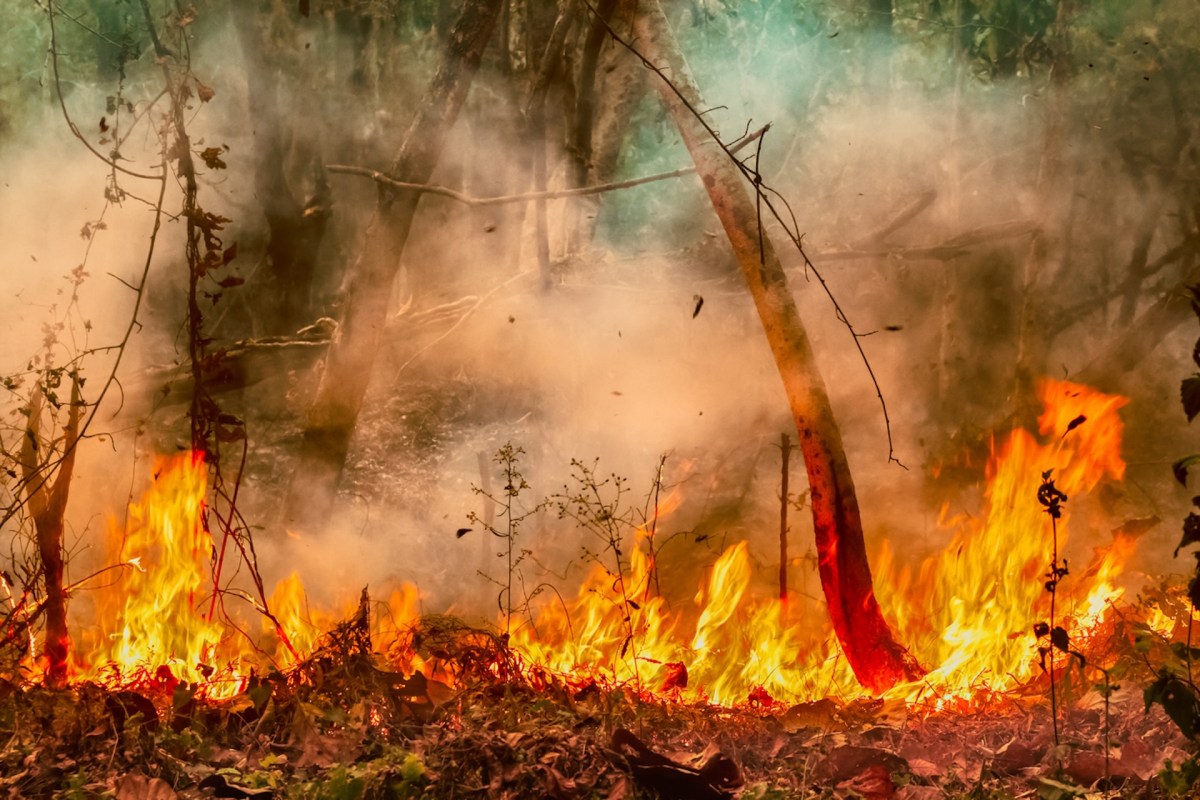
The Amazon rainforest is experiencing a punishing drought that has created tinder-dry conditions, causing hundreds of square miles to go up in flames.
While the region typically sees rain this time of year, the downpours have not arrived, setting the stage for enormous blazes that have filled the skies with smoke over cities across South America.
What's happening?
A record number of fires have already burned this year in the Amazon countries of Venezuela, northern Brazil, Guyana, Suriname, and Colombia. February saw the highest number of fires in 25 years of satellite monitoring.
The extreme drought conditions, intensified by our changing climate and the El Niño weather pattern, have left the forest flammable and vulnerable to fast-spreading blazes, often started by farmers clearing land. Some have grown into megafires, engulfing over 100,000 acres.
"The climate is leaving forests in South America more flammable," explained Ane Alencar, science director at the Amazon Environmental Research Institute in Brazil. "It's creating opportunities for wildfires."
Why are fires in the Amazon concerning?
The Amazon stores vast amounts of carbon and is home to 10% of Earth's plant and animal species. More frequent droughts and fires, combined with ongoing deforestation, threaten to transform large areas into grasslands or degraded ecosystems in the coming decades.
Scientists warn this tipping point could release up to 20 years' worth of global carbon pollution, delivering a huge setback to curbing atmospheric pollution.
"Tropical forests are not adapted to fires," noted Haron Xaud, a professor at the Federal University of Roraima, "and degrade much faster, especially if the fire becomes recurrent."
A longer dry season with 30% less rainfall is making the Amazon more flammable overall. February's fires in Brazil and Venezuela alone released nearly 10 million tons of carbon — as much as the entire country of Switzerland does in a year.
What can I do to help with the fires in the Amazon?
You can make a difference by taking tangible steps to reduce the planet's carbon output — and save some cash while you're at it.
TCD Picks » Quince Spotlight
💡These best-sellers from Quince deliver affordable, sustainable luxury for all




Swapping out red meat for poultry or plants even once a week helps cut carbon pollution (and it's great for your health). Line-drying laundry, switching to LED bulbs, and keeping your tires properly inflated all conserve energy and resources.
Supporting organizations that protect the Amazon is another way to contribute. Meanwhile, let's hope the rainy season brings enough downpours to help the forest recover before entering the next dry stretch. The future of the Amazon hinges on the rain it receives in the coming months to recharge its resilience to wildfires. Every effort adds up.

Join our free newsletter for cool news and cool tips that make it easy to help yourself while helping the planet.
Cool Picks






