


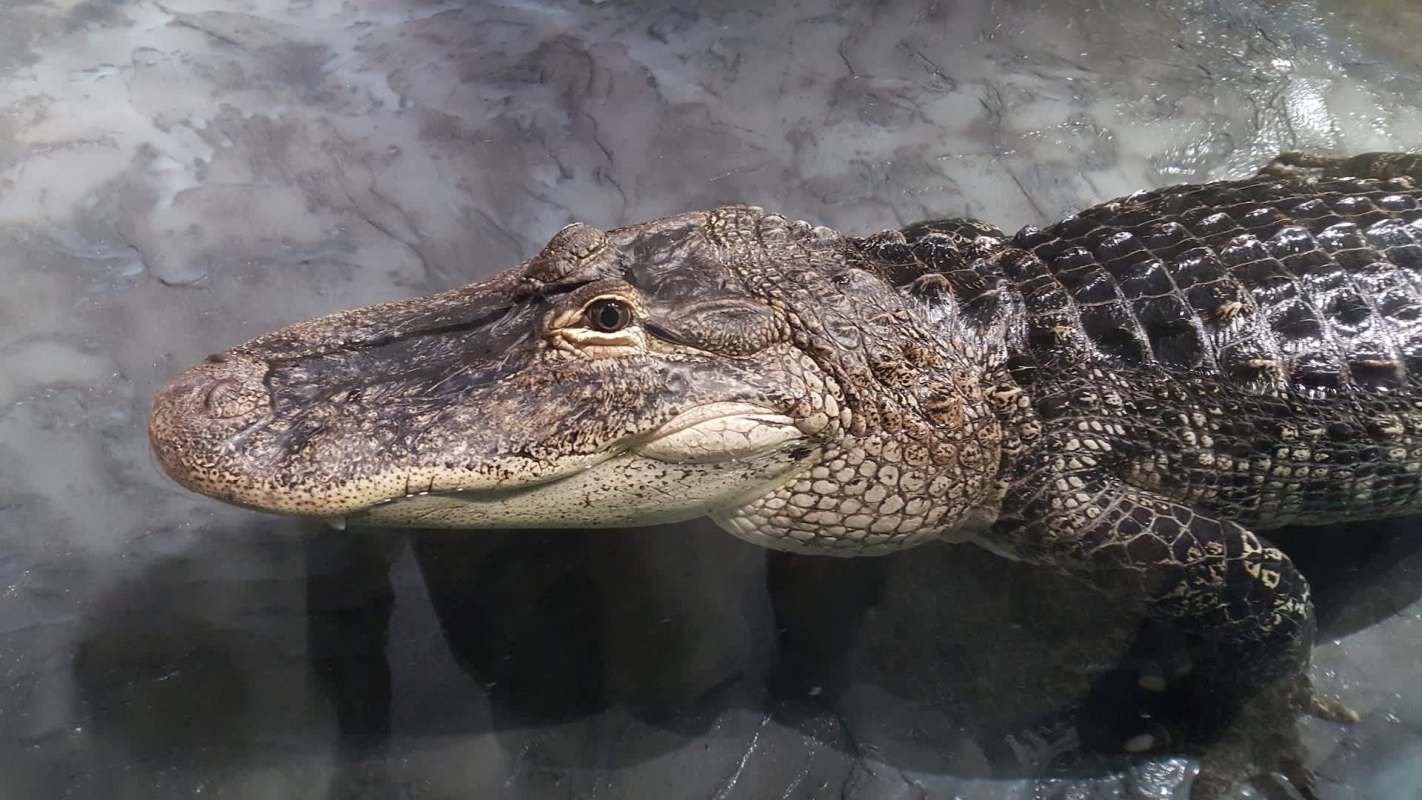
Residents in a Florida neighborhood have been rocked by a wildlife killing in a retention pond, leaving them grieving and asking whether the law is being enforced evenly.
The animal at the center of that anger is "Allie," an 8.5-foot alligator in Santa Rosa County whose death has stirred outrage and controversy.
What happened?
According to the Pensacola News Journal, former U.S. Navy SEAL Kevin "Dauber" Lacz and two other men — Richard Reder and Jason Griffin — each face misdemeanor conservation charges connected to the alligator's killing in March.
State wildlife officials say the three men did not hold current nuisance alligator permits.
"The suspects were not legally authorized to make the determination of whether the alligator was a nuisance alligator because they did not have valid nuisance alligator permits," said Ashlee Brahier Sklute, press secretary with the FWC Office of Communications.
Officers said a previous permit connected to that pond had expired in May 2024 and was never renewed. FWC's report says the men removed the alligator from a locked, fenced retention pond near Avalon Boulevard and Bay Meadows Drive, brought her alive and restrained to Lacz's Gulf Breeze home, and then "dispatched it using a drill," per the News Journal.
TCD Picks » Quince Spotlight
💡These best-sellers from Quince deliver affordable, sustainable luxury for all




Each of the three men has pleaded not guilty. Their attorney, Greg Whibbs, told the outlet that they had long been licensed to remove alligators and were not simply "going rogue."
Why does it matter?
Nearby residents say Allie should not have been classified as a nuisance animal. Jennifer Dory, a neighbor who operates Snake Rescue and Relocation Pensacola, told the News Journal that the alligator had lived for years in the retention pond behind a locked gate and 6-foot fence.
"She was a danger to no one, but little did I know that she was in danger," said Dory, who thought of Allie as an emotional support animal and was disturbed by the manner of her death.
"Using a power drill as a method of euthanasia is not approved by the FWC or the American veterinary society," Dory said.
The episode is also fueling wider concerns about conservation enforcement and animal welfare. Florida law allows a third-degree felony charge for harming or possessing an alligator without a permit, and advocates are asking why that charge was not filed here.
Ashley Rogers, a reptile rescuer who works with Dory, said the response appears uneven: "I'm not super comfortable with this notion that someone being well-connected means that they can get away with breaking the law, when somebody who's just trying to take their kids fishing is probably going to face a more serious consequence for a less severe crime."
Lacz famously served with "American Sniper" author Chris Kyle on SEAL Team 3.
How does the FWC handle nuisance alligators?
FWC says reports involving alligators that threaten people, pets, or property go through its Statewide Nuisance Alligator Program, the News Journal reported. When a complaint meets the criteria, the agency issues a permit so a contracted trapper can remove the animal legally.
People concerned about an alligator should call the Nuisance Alligator Hotline at 866-FWC-GATOR, instead of attempting to trap, move, or kill the animal themselves.
As for Allie's case, FWC said it is consulting with law enforcement about questions tied to the charges.

Get TCD's free newsletters for easy tips, smart advice, and a chance to earn $5,000 toward home upgrades. To see more stories like this one, change your Google preferences here.







