


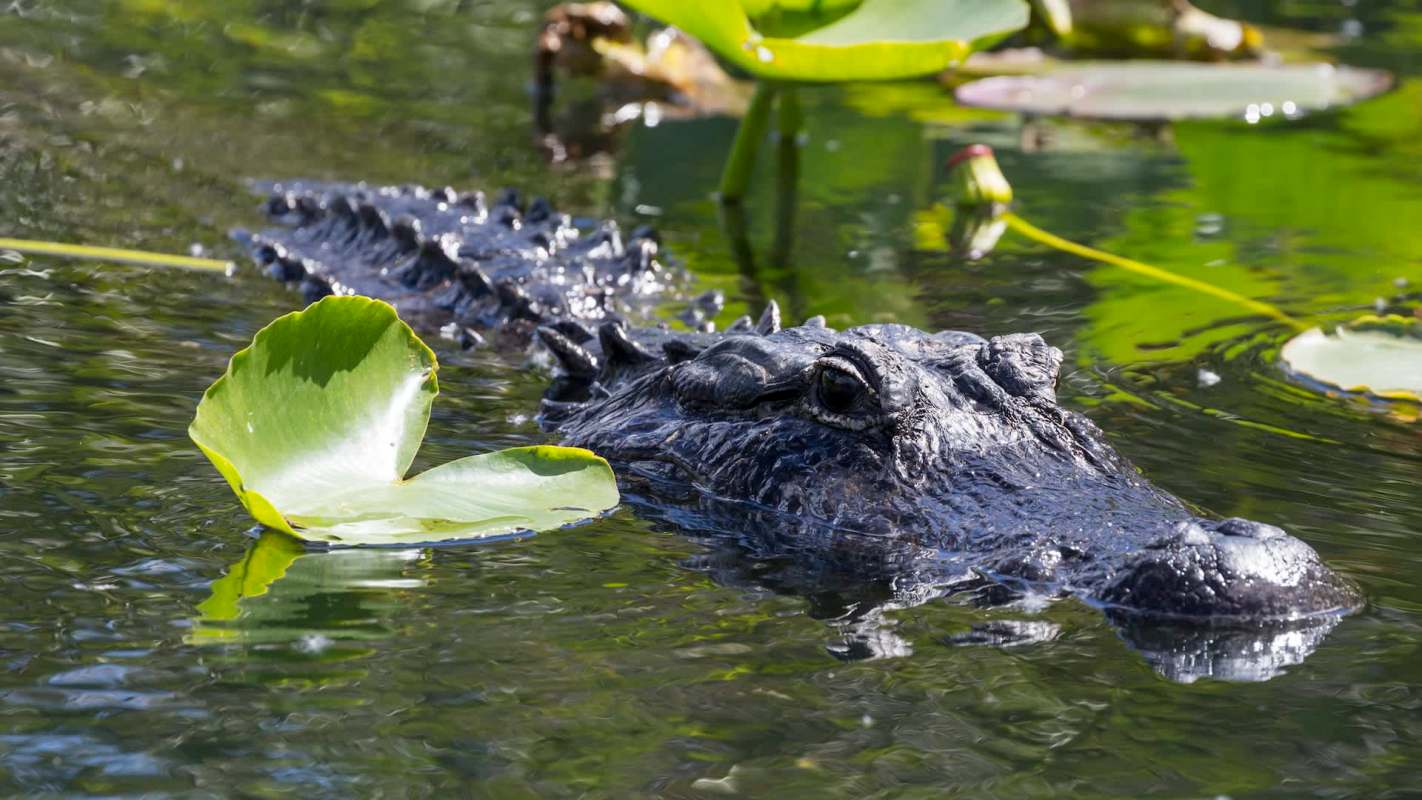
Within a span of seven days, CNN reported that central Florida saw three separate alligator encounters, an unusual run of attacks that ended in a woman's death.
The 31-year-old victim was killed in the latest incident after entering the water with her boyfriend and a friend.
What happened?
Sunday's fatal encounter took place in the Econlockhatchee River north of Orlando, as WESH first reported. According to the station, the woman was in the water with her boyfriend and a friend before the attack.
FWC officials said the alligator grabbed the woman, and her boyfriend tried to pull her free, according to CNN. She suffered injuries to both arms and later died at a hospital, per the outlet.
Locals, including hiker Leia Viera, were taken aback by the attack.
"I've seen really big gators in here," she told WESH. "I've never heard of an attack, though."
TCD Picks » Quince Spotlight
💡These best-sellers from Quince deliver affordable, sustainable luxury for all




CNN reported that wildlife officers then captured two large alligators in the area, including one 13 feet long at the scene and another nearby measuring about 12 feet. Officials said either animal may have been responsible.
That deadly attack followed another reported less than 24 hours earlier. WESH said a boy fishing with his father at Nelson's Fish Camp in Marion County was bitten on the hand.
The other recent case happened June 21, when a snorkeler was bitten at Rainbow River in the same area, as WESH also reported. Officials temporarily closed the waterway before locating and removing the alligator involved, according to the station.
Why are attacks happening?
Even with an estimated 1.3 million alligators in Florida, unprovoked bites are still rare, as CNN noted. FWC figures, cited by the outlet, show the state averages about eight such incidents a year, and since 1948 Florida has recorded more than 450 alligator attacks, 30 of them fatal.
That doesn't take away from the fact that the attacks happened within days of one another during swimming, snorkeling, and fishing.
Researchers have found that the most serious attacks are more likely to happen during high-risk behavior, including intentionally entering waterways known to have alligators. The study found that nearby hiking and walking near waterways rarely led to attacks, as CNN noted.
What's being done?
State and local officials have responded to each incident by removing the suspected alligators and, in one case, temporarily closing the river, as CNN noted.
CNN noted Florida also operates a statewide nuisance alligator program that responds to complaints about animals considered threats to people, pets, or property.
Dr. Frank Mazzotti, who was an author on the study on alligator bites, said many of these incidents can be avoided with prudent behavior.
"Many bites can be prevented if humans are aware of their surroundings and minimize risky behaviors," Mazzotti told CNN.

Get TCD's free newsletters for easy tips, smart advice, and a chance to earn $5,000 toward home upgrades. To see more stories like this one, change your Google preferences here.







