


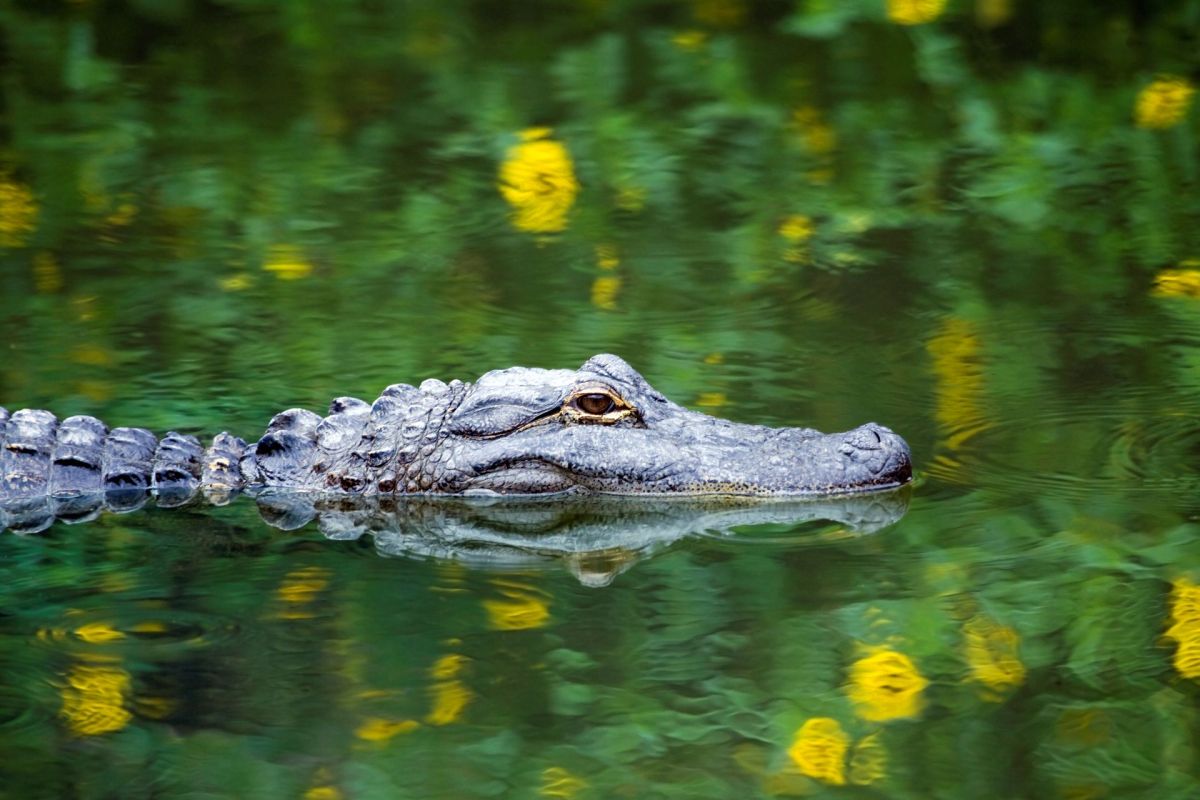
A University of Florida study is reframing the conversation about alligator attacks in the state by focusing less on random animal aggression and more on the circumstances surrounding each encounter. Researchers found that human actions were a factor in almost every case they reviewed.
What's happening?
According to ClickOrlando, University of Florida researchers examined Florida's attack record since 1948 — nearly 500 incidents, about 30 of them fatal — and determined that 96% involved what they called "risky human behavior."
ClickOrlando reported that attacks were much less common when people remained on land or simply stayed near the water, while most bites occurred after people entered waters where alligators were already known to live.
Researchers said the findings suggest alligators usually are not seeking conflict. Entering the water, splashing, or moving through gator habitat can trigger either a defensive reaction or hunting behavior.
That message is especially timely because Florida's alligator mating season continues through June, when the animals can become more active and territorial.
Why does it matter?
The study suggests that many attacks are tied to choices people make around lakes, canals, ponds, and shorelines rather than to unpredictable events. That carries real consequences for daily life in Florida, where water is woven into neighborhoods, parks, golf courses, and recreation areas. The state's history of fatal attacks includes people who were swimming, snorkeling, gardening near the shoreline, walking dogs, or trying to retrieve items from the water.
TCD Picks » Quince Spotlight
💡These best-sellers from Quince deliver affordable, sustainable luxury for all




The research does not suggest that alligators are harmless. It suggests that people may have far more control over reducing the risk than many realize.
What can I do?
Avoid situations that bring you into direct contact with alligators. The University of Florida advises people not to swim outside posted swimming areas and to use extra caution around freshwater shorelines.
Officials also warn people never to feed wild alligators, which is illegal in Florida and can lead them to associate humans with food. Swimming during daylight hours is considered safer, as alligators are typically more active at night.
Children and pets require extra attention. Small pets can resemble natural prey, and children should never be left unattended near the water. Even standing at the shoreline can become dangerous under the wrong conditions.
Knowing that alligators may be present — and adjusting behavior accordingly — can reduce the chances of a tragic encounter before it begins.

Get TCD's free newsletters for easy tips, smart advice, and a chance to earn $5,000 toward home upgrades. To see more stories like this one, change your Google preferences here.







