


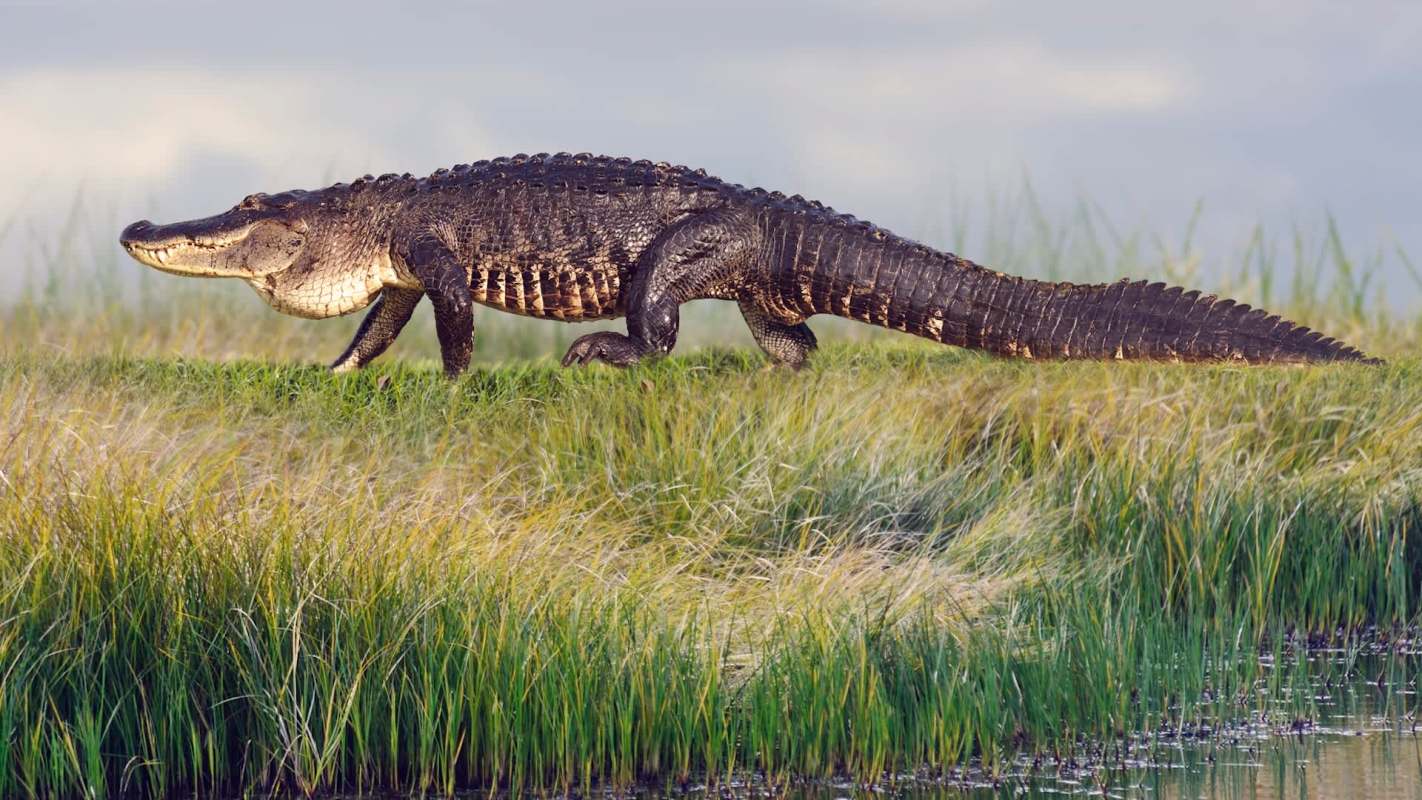
New DNA results identified the 13-foot alligator involved in the Central Florida attack that killed 31-year-old Brittany Clark, giving investigators a more precise account of a case that has shaken residents and renewed questions about safety in the state's waterways.
What happened?
According to WCJB, Florida Fish and Wildlife Conservation Commission (FWC) officials said testing tied Clark's fatal Seminole County attack to DNA taken from a large alligator found in the Econlockhatchee River.
After the attack, first responders took Clark to a hospital, where she later died. The outlet said she had been in the river with her boyfriend and another person, and officials said the alligator bit her arms before her boyfriend helped free her.
Officials said a lab in Gainesville later confirmed a match from the testing, and the medical examiner's office also said Clark's bite wounds corresponded to one of the animals. WCJB reported that those findings followed the removal of two large alligators from the area, with DNA samples sent off for analysis.
The case is still under investigation, and officials said more records and details will be released once that process is complete.
Why are attacks happening?
Officials noted that serious alligator injuries are rare in Florida. Still, the fatal attack comes amid other recent gator incidents in the state, including Marion County cases involving a 19-year-old bitten while snorkeling in Rainbow River and an 11-year-old who lost his hand at Nelson's Fish Camp.
TCD Picks » Quince Spotlight
💡These best-sellers from Quince deliver affordable, sustainable luxury for all




While this attack happened in a natural habitat, wildlife encounters are often shaped in part by human activity. As more people swim, boat, and spend time in rivers and wetlands with development pushing deeper into wild spaces, the chances of dangerous overlap can increase.
Attacks by wild animals are often tied not only to the animals themselves, but also to how humans move through and alter their environments, as the BBC detailed.
In Florida, waterways are central to daily life and tourism. Those same spaces are also home to apex predators.
What's being done?
State officials said public safety remains the top priority, and the response included wildlife trapping and forensic testing after the attack.
As WCJB reported, authorities did more than remove alligators from the area. Two large animals were trapped, a Gainesville lab analyzed their DNA, and the medical examiner compared Clark's wounds with the animals involved. That process allowed officials to identify the specific alligator tied to Clark's death rather than relying on location alone.
Officials advise reporting threatening wildlife instead of trying to handle it yourself. People who regularly spend time near lakes, rivers, canals, and wetlands can also reduce risk by avoiding swimming at dawn or dusk, staying out of areas known for alligator activity, and keeping pets away from shorelines.
Respecting wildlife habitat can also protect people. The more humans crowd or normalize risky interactions in predator habitat, the harder it becomes to prevent devastating outcomes.
"Serious injuries caused by alligators are rare in Florida," officials wrote in a statement shared by WCJB. "The FWC places the highest priority on public safety and administers a Statewide Nuisance Alligator Program (SNAP) to address complaints concerning specific alligators believed to pose a threat to people, pets or property."

Get TCD's free newsletters for easy tips, smart advice, and a chance to earn $5,000 toward home upgrades. To see more stories like this one, change your Google preferences here.







