


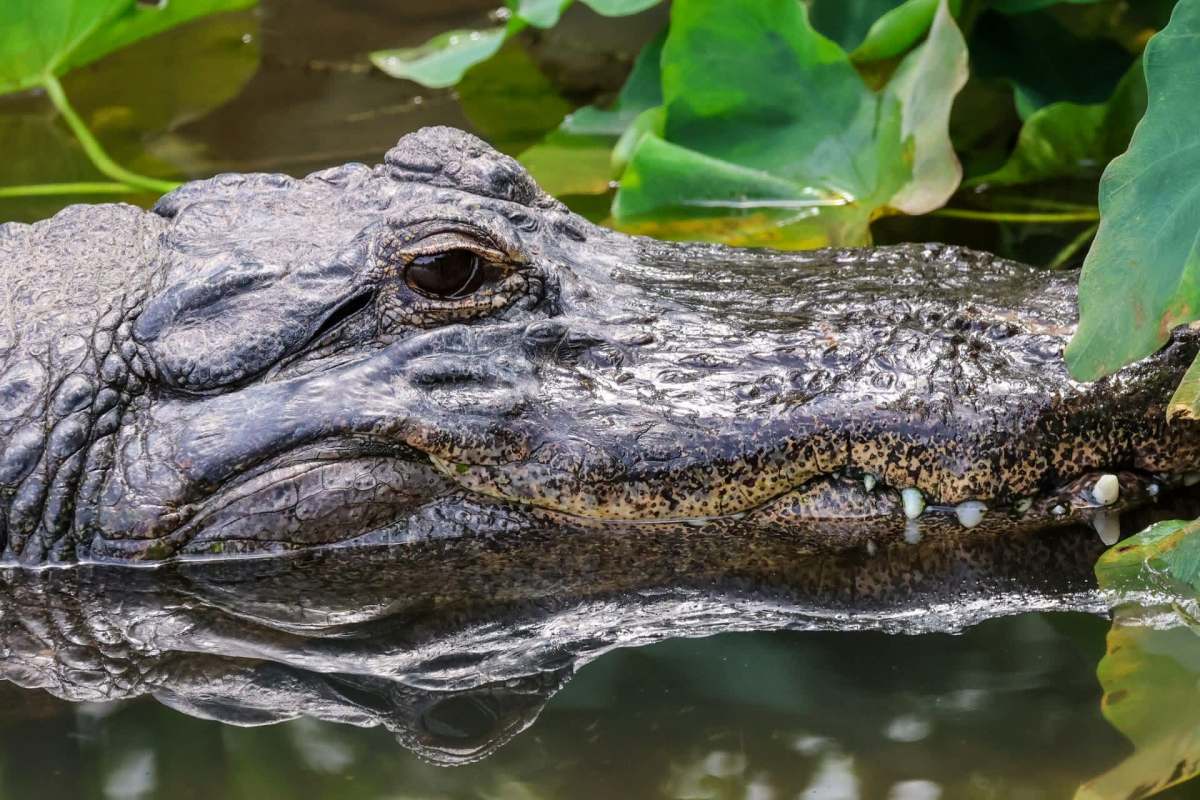
Florida has been rattled by a rapid run of alligator encounters. In under two weeks, four attacks left a woman dead, an 11-year-old boy without a hand, and another victim dragged into a canal.
Experts say the string of attacks is alarming, but they also caution that many of these encounters are shaped by how people swim, fish, and live alongside wildlife in the state.
What happened?
The Palm Beach Post reported on Friday that four separate alligator attacks hit Florida waterways from June 21 to July 3.
Among the cases were the death of 31-year-old Brittany Clark in the Econlockhatchee River, 11-year-old Brody Dituri losing his hand as he put a fish back, a bite suffered by a 19-year-old while snorkeling in Rainbow River, and an encounter near his North Fort Myers house that 71-year-old James Grayson McMicken survived.
State data shows 33 fatal alligator attacks in Florida since 1948, along with 346 major injuries and 153 minor ones. Compared with the vast number of people who boat, swim, kayak, and fish around the state, those figures remain relatively low.
Still, the recent cluster of attacks has stirred fear and anger.
TCD Picks » Quince Spotlight
💡These best-sellers from Quince deliver affordable, sustainable luxury for all




Owen Lauer, a wildlife photographer whose Instagram page is called Living with Gators, said some online reactions have even called for "open season on gators."
"I feel awful someone lost their life, and she was young and seemed like she had a great spirit, but every time something like this happens, the whole species gets ridiculed like they are man-eating monsters," Lauer told the Boca Raton Tribune.
Why does it matter?
The high-profile nature of the attacks has conservation advocates worried about renewed hostility toward a species that was once hunted to near extinction.
After federal protections helped the American alligator recover, the species became common again; Florida now estimates about 1.3 million across all 67 counties.
How people use the landscape is part of the problem as well. In Florida, homes and recreation areas often sit beside canals, retention ponds, rivers, and golf course water hazards that can all serve as alligator habitat, turning everyday activities into potential points of conflict.
A 2025 University of Florida study found that most unwanted encounters between people and alligators are driven by risky behavior, including swimming where gators are known to be present or walking dogs at the water's edge.
David March, a Florida State University associate professor of psychology, explained, per the Tribune: "The issue is that alligators are not a rare, isolated hazard in Florida. So, for many Floridians, alligator risk becomes a familiar, managed background."
What's being done?
Florida has maintained a regulated alligator harvest program since 1988, with seasonal hunting dates, permit limits, and quotas intended to prevent overharvesting.
Wildlife officials also try to remove and kill the alligator thought to be responsible after an attack. According to the Post, four gators linked to the recent incidents were killed, including a 13-footer taken at the scene of Clark's attack.
Experts say that the response should be paired with education rather than panic.
Ron Magill, the recently retired communications director for Zoo Miami, warned: "My fear is that they will be painted with a broad brush, and someone will say they all need to be killed."
Experts advise avoiding swimming outside designated areas, keeping children and pets away from shorelines, never feeding alligators, and paying close attention to warning signs, especially during mating season.
University of Florida wildlife ecology professor Frank Mazzotti noted: "Among other things, if you have an alligator in a pond and you remove it, you will just get more gators showing up."
"They don't want to eat humans, but they are opportunistic predators," Lauer said. "It's preventable, and that's what drives me crazy."

Get TCD's free newsletters for easy tips, smart advice, and a chance to earn $5,000 toward home upgrades. To see more stories like this one, change your Google preferences here.







