


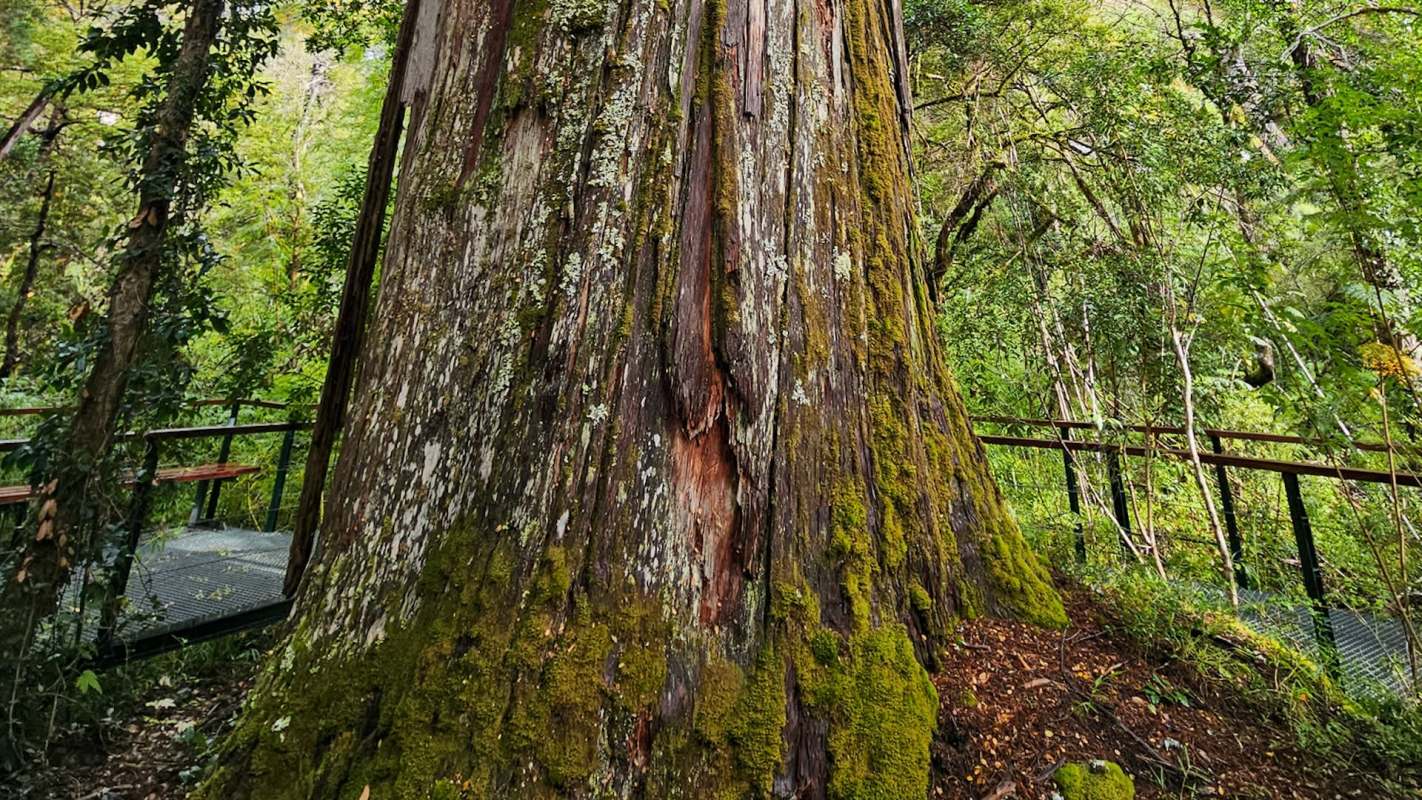
Deep in Chile's ancient rainforests, one of the world's oldest trees is quietly supporting an entire hidden ecosystem beneath its roots.
According to Discover Wildlife, research published in the journal Biodiversity and Conservation revealed that alerce trees — massive conifers capable of living for thousands of years — serve as hubs for underground biodiversity.
Scientists said the soil beneath these ancient giants hosts thriving fungal communities that help keep surrounding forests healthy.
Ancient alerce giants host more than double the underground fungal diversity of younger trees, underscoring how conserving millennial conifers boosts carbon storage and forest resilience. https://t.co/YJ8PMD569N https://t.co/9BrkLOxa9q
— Phys.org (@physorg_com) March 4, 2026
Alerce trees, native to Chile's coast and the foothills of the Andes, are renowned for their remarkable longevity. Some trees have stood for over 3,600 years, making the species the second-longest-lived tree on Earth, behind bristlecone pines.
To better understand how these trees support life below ground, researchers collected soil samples from 31 alerce trees in Chile's Alerce Costero National Park.
What they discovered surprised them. The soil under the oldest and largest tree in the study — a 2,400-year-old giant known as "Alerce Abuelo" — contained more than 300 species of fungi that appeared nowhere else in the samples.
Even more striking, the fungal diversity thriving beneath this single tree was more than double of that found under any of the other trees in the study.
Scientists said these underground networks are essential to forest health. Many fungi form partnerships with trees, channeling water and nutrients directly to tree roots in exchange for life-sustaining sugars.
"All that diversity means resilience," said Adriana Correlaes, field science lead at the Society for the Protection of Underground Networks, per Discover Wildlife.
The findings highlight the importance of protecting old-growth trees. While younger trees also support underground life, ancient trees appear to host much richer ecosystems that have taken centuries — or even millennia — to develop.
TCD Picks » Quince Spotlight
💡These best-sellers from Quince deliver affordable, sustainable luxury for all




|
Which of these savings plans for rooftop solar panels would be most appealing for you?
Click your choice to see results and earn rewards to spend on home upgrades. |
 Save $1,000 this year 💸
 Meanwhile, trees absorb pollutants like carbon dioxide, helping to improve air quality and reducing the presence of planet-warming gases. Understanding the factors that support trees can ensure they continue to provide the natural services that benefit every living creature on Earth.
"Not all trees are the same," said Camille Truong from the University of Melbourne, per Discover Wildlife. "If you remove a millennial tree, the impact on all the other species is going to be bigger than if you remove a smaller one."

Get TCD's free newsletters for easy tips to save more, waste less, and make smarter choices — and earn up to $5,000 toward clean upgrades in TCD's exclusive Rewards Club.
Cool Picks






