


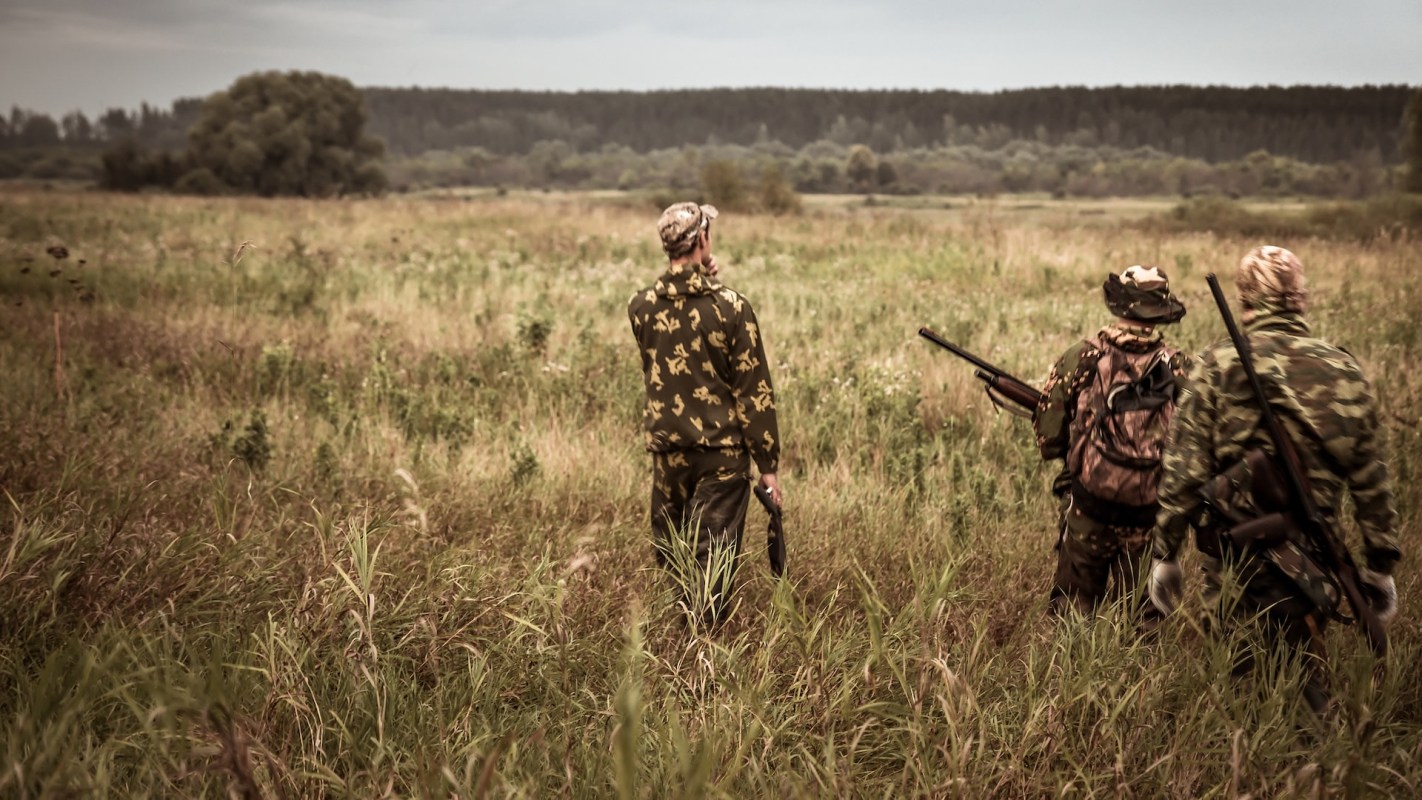
Two conservation groups are suing Alaska's Board of Game over a program that authorizes helicopter shooting of both brown bears and black bears across a sprawling 40,000-square-mile zone in the state's southwest.
What's happening?
As the Center for Biological Diversity detailed, it brought the case before the state superior court alongside the Alaska Wildlife Alliance, claiming the Mulchatna bear control program violates Alaska's constitutional requirement to manage wildlife sustainably.
The state's highest court has previously ruled this provision covers all wildlife, bears included.
Under a previous version of this program, state officials shot 175 brown bears and another five black bears over the 2023-2024 season. According to the state, the program is supposed to help protect the Mulchatna caribou herd.
The reinstated program allows officials to shoot bears regardless of age, with no limit on how many can be killed, through 2028.
The targeted area lies just miles from Lake Clark National Preserve and Katmai National Park, putting bears that travel across protected and unprotected territory at risk.
"This is a disgraceful misuse of public resources and a betrayal of the trust Alaskans place in their wildlife managers," said Cooper Freeman, Alaska director at the Center for Biological Diversity.
"State officials should protect all of our wildlife for future generations, not flaunt their power by orchestrating the mass killing of iconic bears with no scientific basis."
The program has caused outrage on social media.
"Stop letting politicians run natural resources programs," one Instagram commenter wrote. "Hand them to biologists."
TCD Picks » Quince Spotlight
💡These best-sellers from Quince deliver affordable, sustainable luxury for all




|
Do you think America does a good job of protecting its natural beauty? Click your choice to see results and speak your mind. |
 Definitely 👍
 Another pleaded, "This should never happen! Please save the bears and other wildlife!"
Why is this program concerning?
A state court already invalidated an earlier version of this program in March 2025, ruling it was adopted without reliable scientific information about how many bears actually live in the region.
Months later, state officials reinstated it without first gathering the population data that the ruling had called for.
Bears are irreplaceable to their ecosystems, carrying seeds and distributing nutrients across wide areas. A program that lacks both kill caps and population counts could throw wildlife numbers off balance across the region and affect nearby communities and protected lands.
According to the Royal Society, "Biodiversity is essential for the processes that support all life on Earth, including humans."
A shift in the natural order can impact everything from water and air quality to the human food supply.
Predators, such as bears, are essential for controlling prey populations. In Scotland, for example, experts are considering reintroducing wolves to reduce the number of deer, which are growing out of control and preventing the growth of important shrubs.
"How we treat our animals, our elders, our veterans, and our most vulnerable shows us exactly who we are as a country," one Instagram user commented.
What can I do to help protect Alaska's bears?
If you want to support bear protection efforts, donate to or volunteer with the Alaska Wildlife Alliance or Center for Biological Diversity.
Meanwhile, contacting Alaska state legislators to oppose predator control programs that lack scientific backing can help inform lawmakers of public perception.
Sharing information about this lawsuit with friends and family can also encourage public pressure for wildlife protections based on science, not politics.

Get TCD's free newsletters for easy tips to save more, waste less, and make smarter choices — and earn up to $5,000 toward clean upgrades in TCD's exclusive Rewards Club.
Cool Picks






