


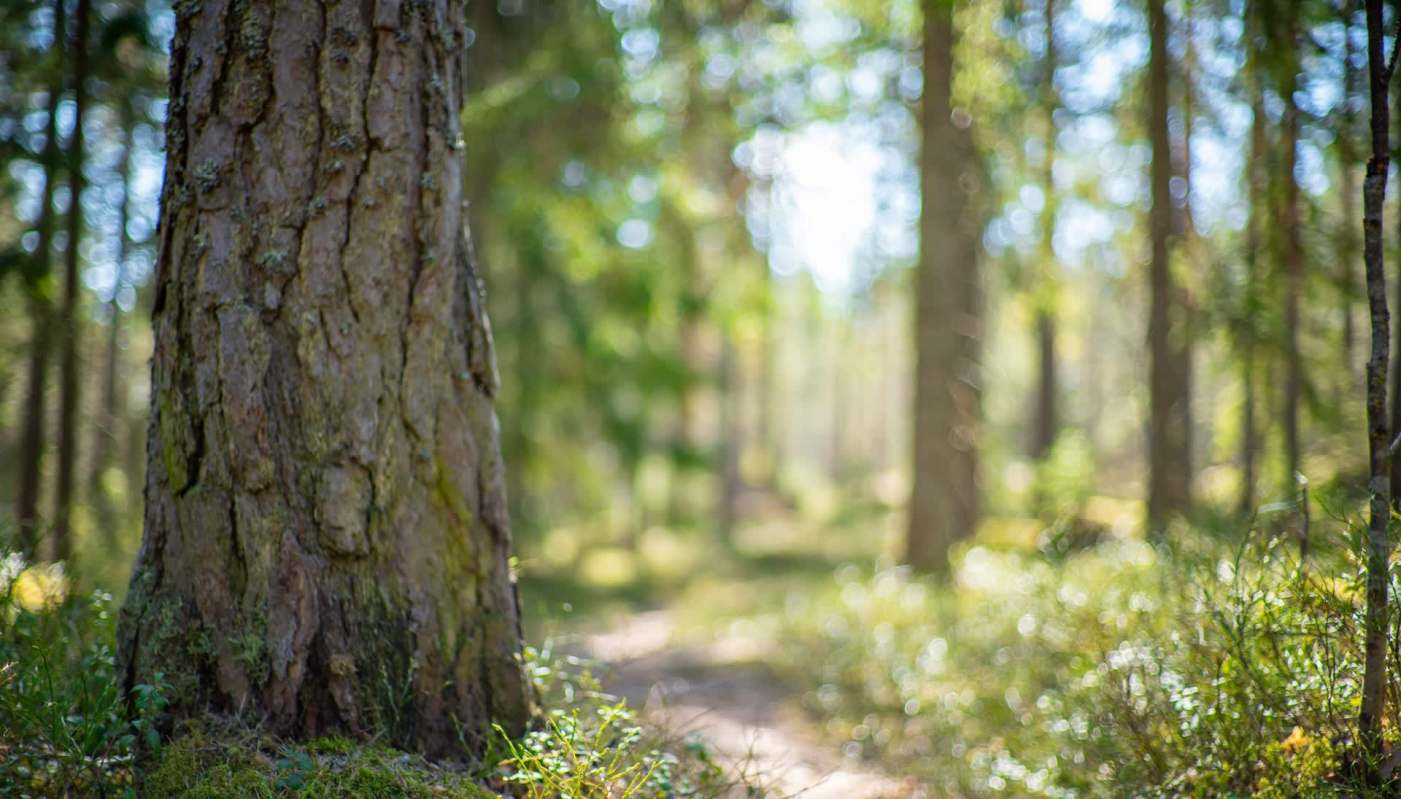
Researchers in New Brunswick, Canada, are utilizing artificial intelligence and satellite imaging to protect old forests, according to the CBC.
Old forests are those that have developed over long periods and without disturbance, making them incredibly unique in terms of ecosystems and biodiversity. As such, protecting them is critical.
The research project, led by the Northern Hardwoods Research Institute with funding from the Canadian Space Agency, is using state-of-the-art technology to determine where old forests are, which can help develop better forestry management practices that provide the tools needed to protect them for forestry managers.
"They are special ecosystems and today we're not equipped with the technology or tools to find out where they are before we enter an area and conduct harvesting," Gaetan Pelletier, Northern Hardwoods Research Institute's executive director, told CBC Radio's Information Morning Fredericton.
These protections are essential to ensuring that certain species survive, such as the chimney swift and brown bat. Both of these (and other species) occupy hollow trees in the wild, which are commonly found in old forests, making the trees a critical habitat for them.
The satellites used to map potential old-growth areas collect data using 10 sensors. This data helps the research team track which trees are hollow and which are dead.
Perk up the winter blues with natural, hemp-derived gummies Camino's hemp-derived gummies naturally support balance and recovery without disrupting your routine, so you can enjoy reliable, consistent dosing without guesswork or habit-forming ingredients. Flavors like sparkling pear for social events and tropical-burst for recovery deliver a sophisticated, elevated taste experience — and orchard peach for balance offers everyday support for managing stress while staying clear-headed and elevated.
Learn more → |

Additionally, the research team will collect two layers of data: one targeting hollow trees and the other identifying large areas likely to contain them. In this way, specific trees needing protection can be marked, so forestry managers know to ensure they and the immediate area around them are left as is.
The eventual hope is that the navigation computers on harvester machines can be equipped with live maps informed by this data.
By saving these species' habitats and ensuring that old forest ecosystems remain untouched, animal and plant species in these areas will be less likely to die out due to resource shortages and changes to the climate. Maintaining the health of native plant and animal species will benefit everyone, as some old-forest native plants can be useful in alleviating illnesses, and these forests store carbon.
The research team expects this project to last from 18 to 24 months, with the hope of offering solutions for testing by next spring and a prototype map to foresters in the fall.
TCD Picks » Upway Spotlight
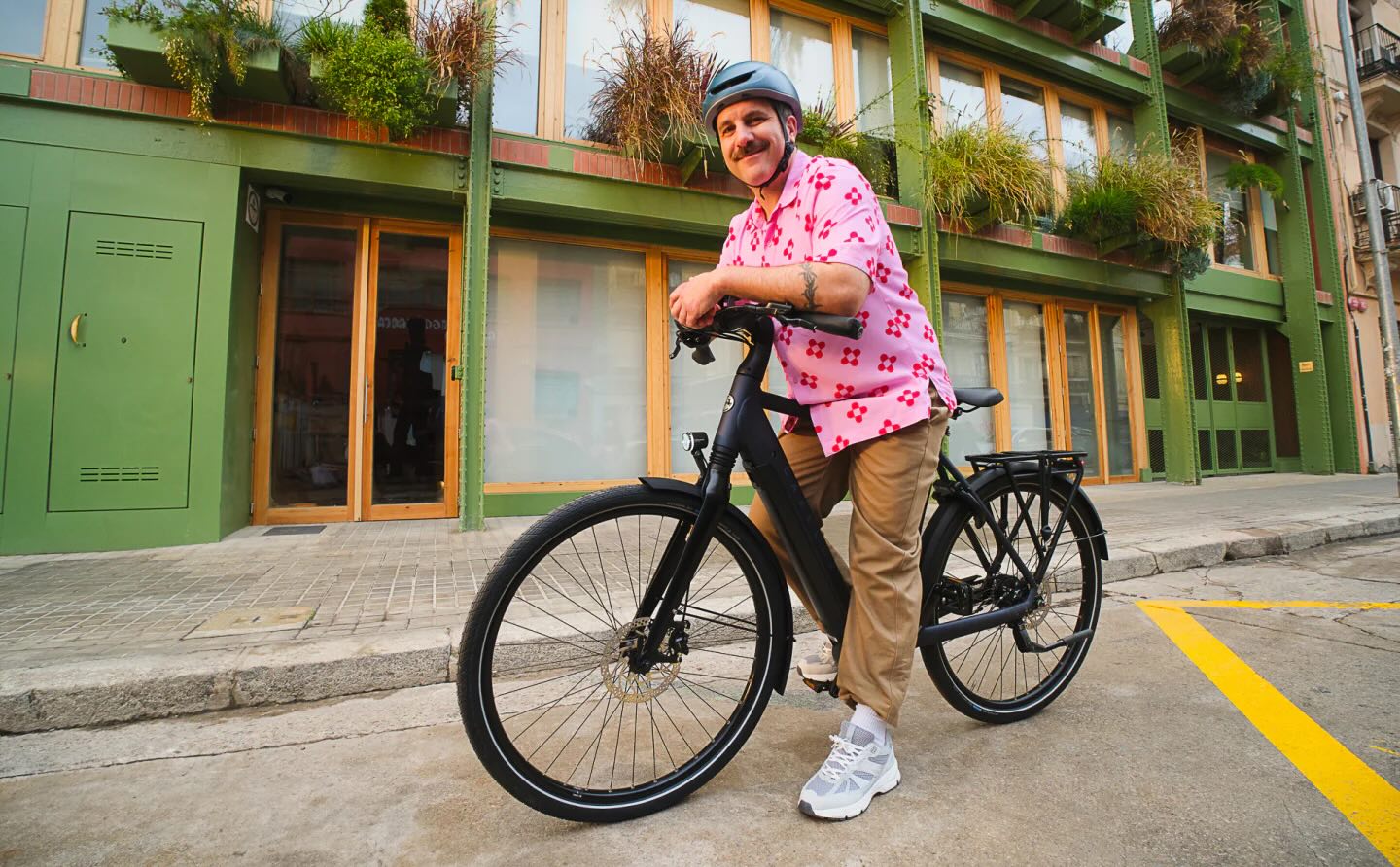
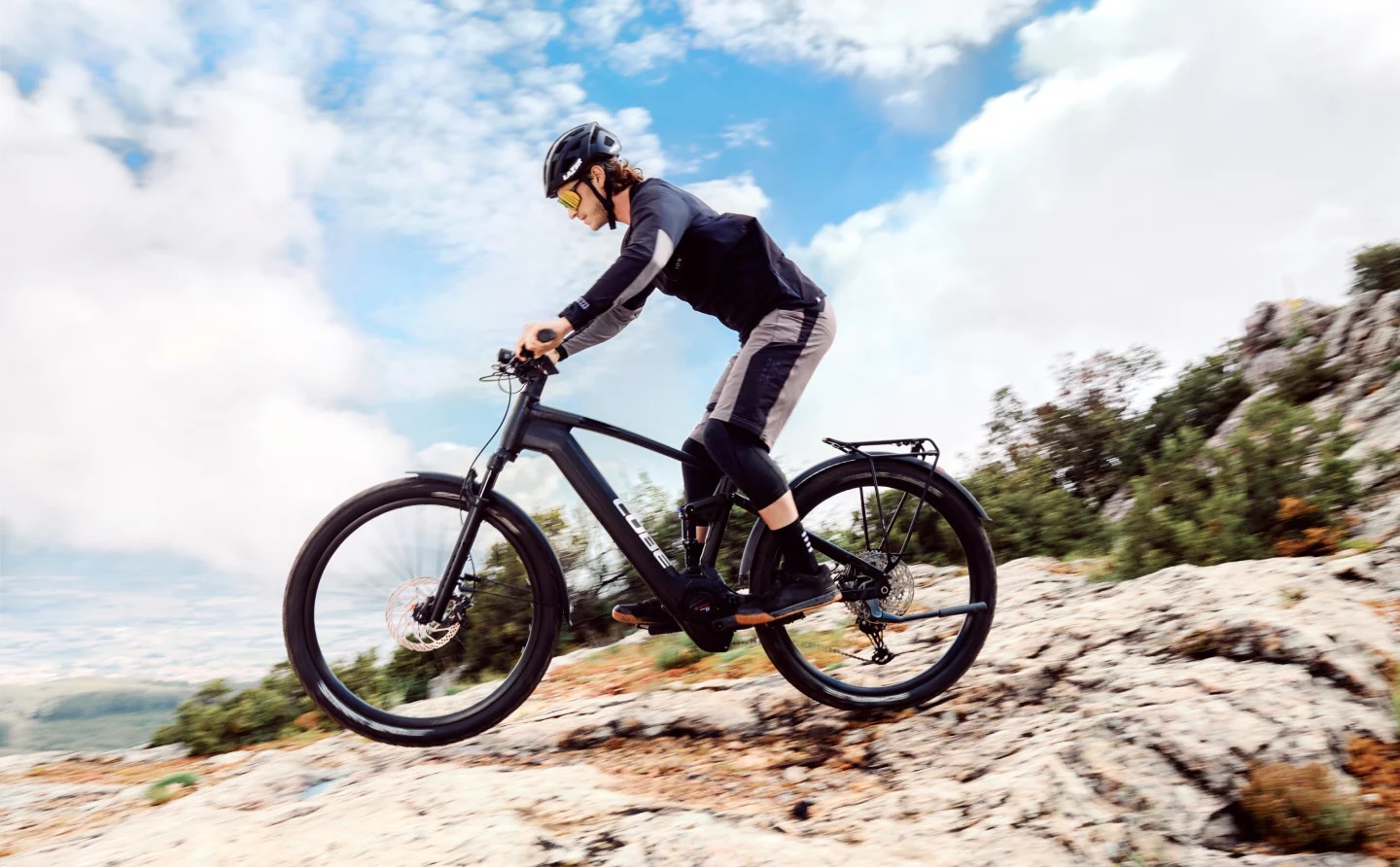
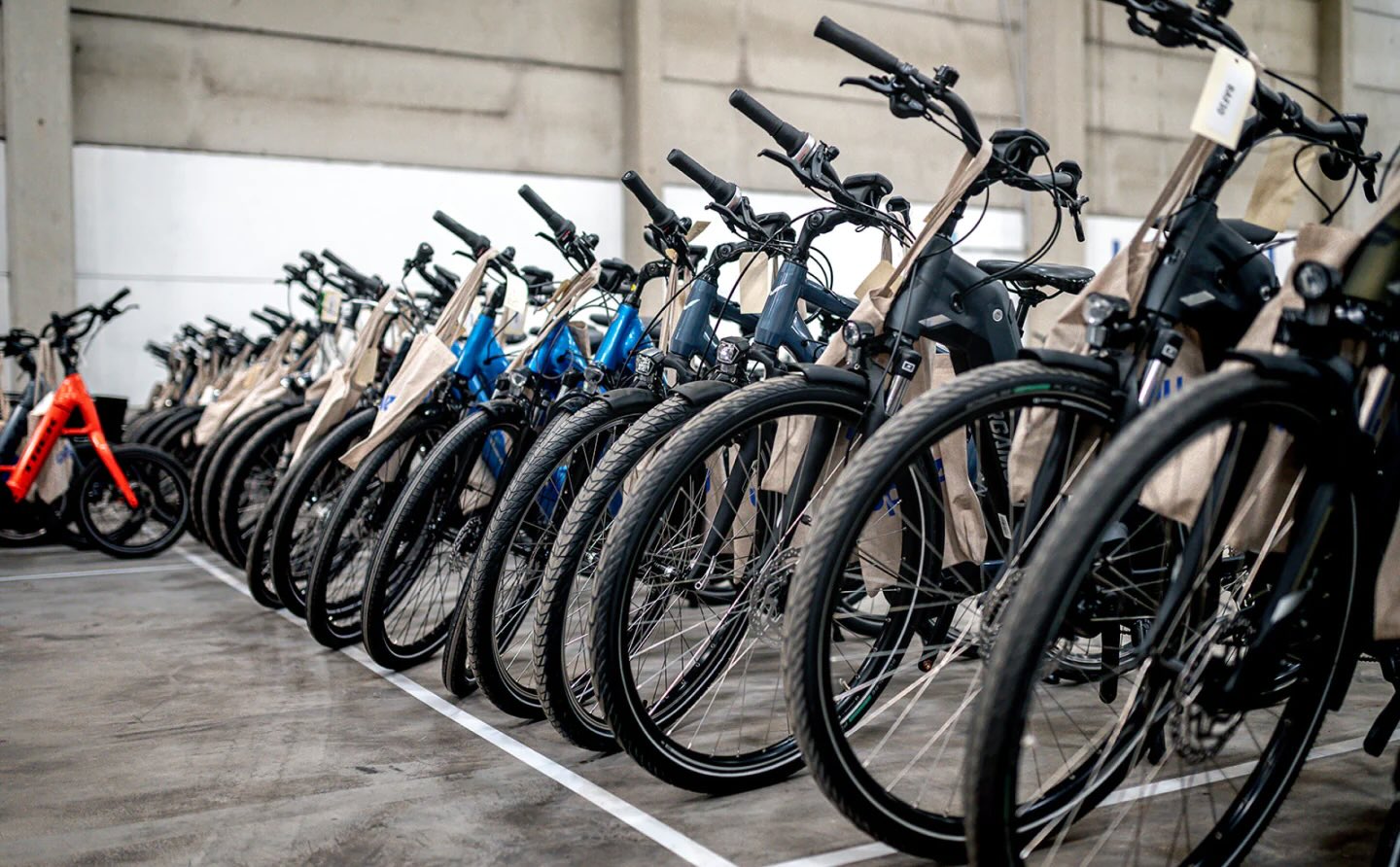
💡Upway makes it easy to find discounts of up to 60% on premium e-bike brands


|
Do you think America does a good job of protecting its natural beauty? Click your choice to see results and speak your mind. |
 Definitely 👍
Get TCD's free newsletters for easy tips to save more, waste less, and make smarter choices — and earn up to $5,000 toward clean upgrades in TCD's exclusive Rewards Club.
Cool Picks






