


Atmospheric river storms are increasingly testing aging levees across the West Coast — and recent failures show just how vulnerable millions of Americans may be.
What's happening?
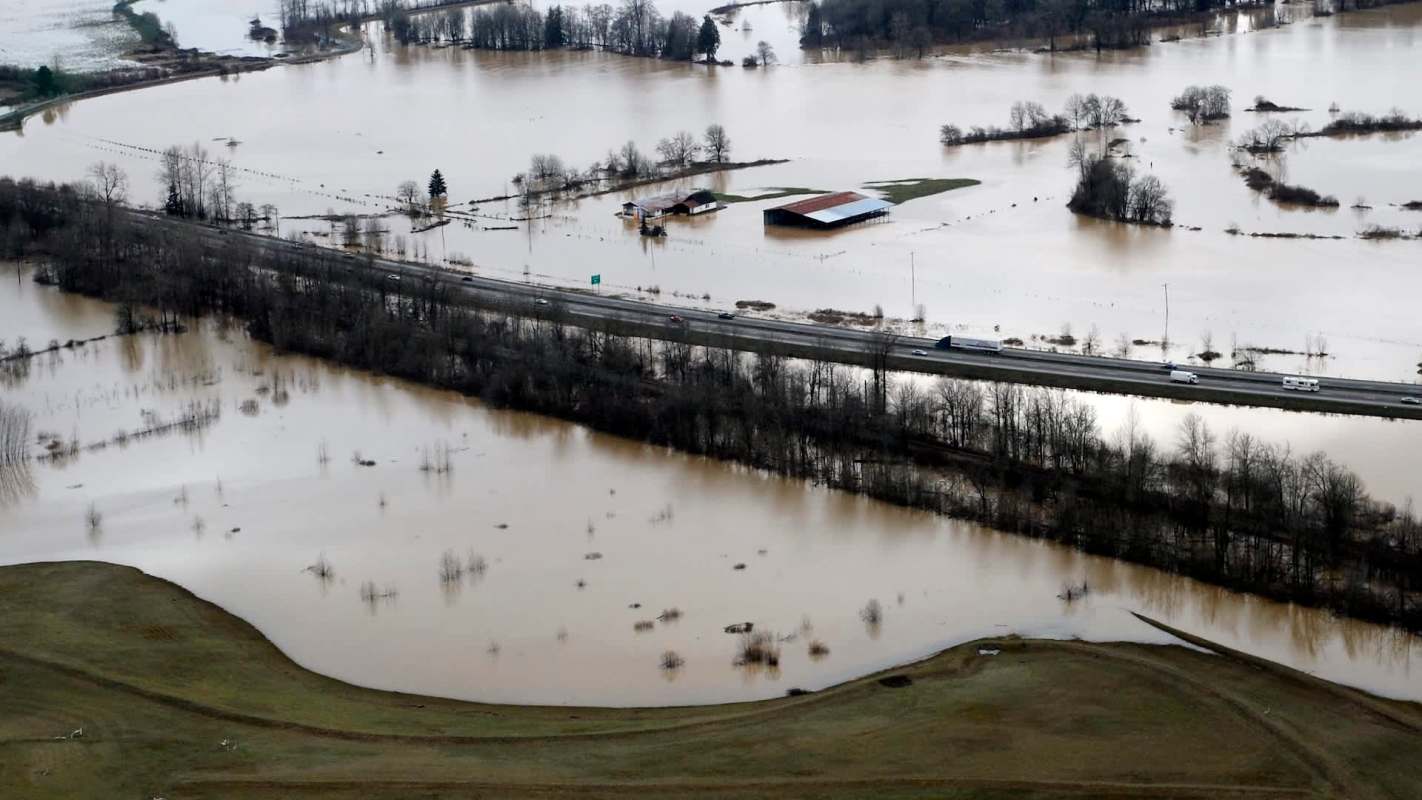
In late December 2025, powerful atmospheric river storms swept across Washington, Oregon, and California, dumping heavy rainfall that rapidly swelled rivers and triggered flooding.
According to The Conversation, as waters rose, several levees were overtopped or breached, forcing evacuations in parts of Washington state and raising concerns about flood defenses that many residents rarely think about until they fail.
Levees are long barriers designed to keep floodwaters from spilling into nearby communities. But many of the structures still in use today were originally built decades ago as basic earthen embankments meant to protect farmland — not modern neighborhoods, roads, and businesses.
According to the National Levee Database, the U.S. has more than 24,000 miles of levees, with an average age of about 61 years. Together, they protect over 23 million people, around seven million buildings, and nearly $2 trillion in property value.
The American Society of Civil Engineers recently gave U.S. levees a D-plus grade, citing aging infrastructure and long-term underinvestment.
Why are levees important?
Levee failures often begin with overtopping, when water rises above the top of the barrier. Once floodwater spills over, it can erode the structure and quickly turn a weak point into a full breach.
Atmospheric rivers increase the danger because they can drop huge amounts of rain over wide areas in a short time, sometimes paired with snowmelt that drives rivers even higher.
These disasters don't just cause property damage; they can endanger lives. Floodwaters can destroy homes, shut down businesses, contaminate water supplies, and force sudden evacuations, leaving families displaced and communities scrambling to recover.
The long-term financial impacts can also be severe, including expensive rebuilding efforts and rising insurance costs in flood-prone areas.
TCD Picks » Upway Spotlight
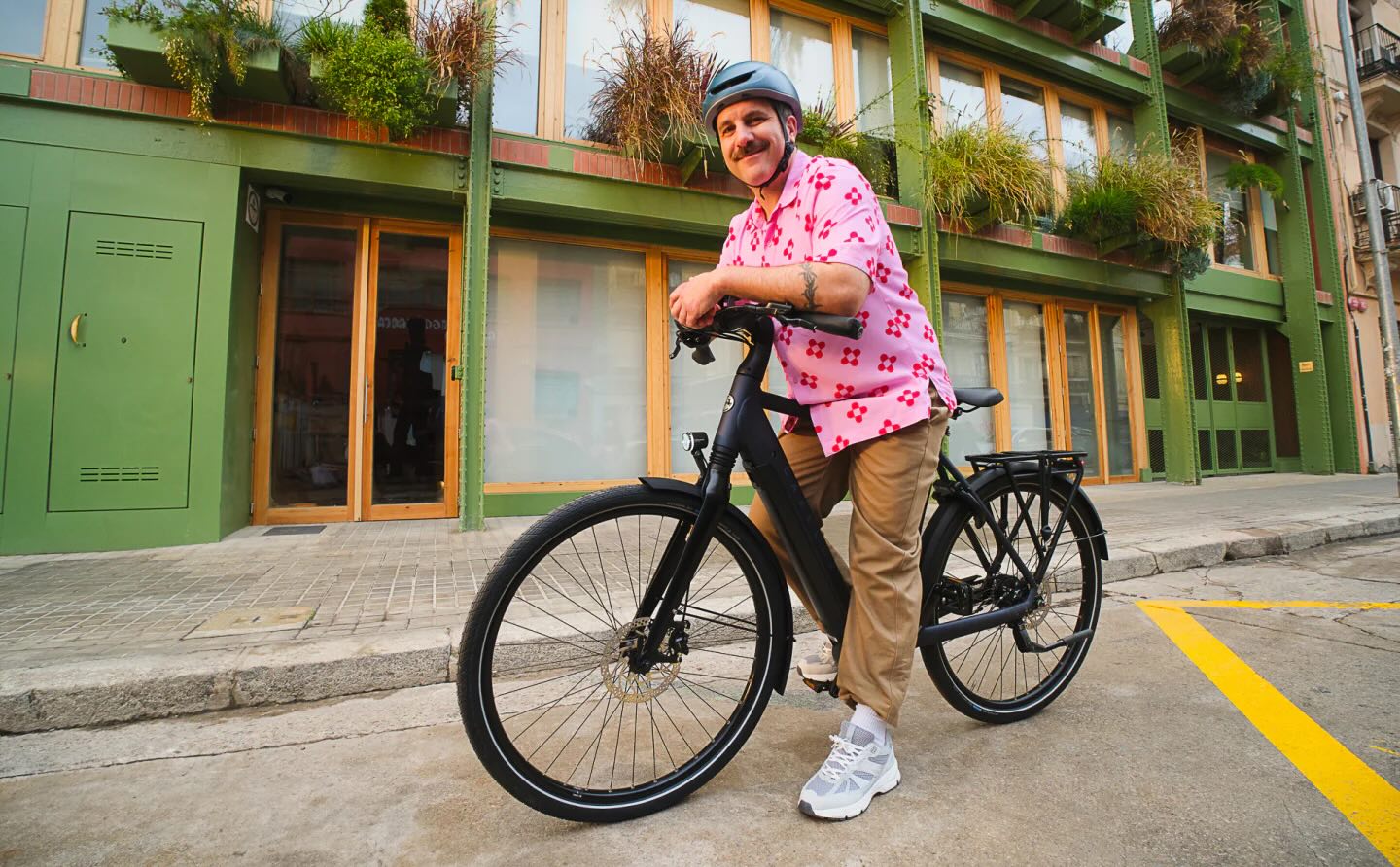
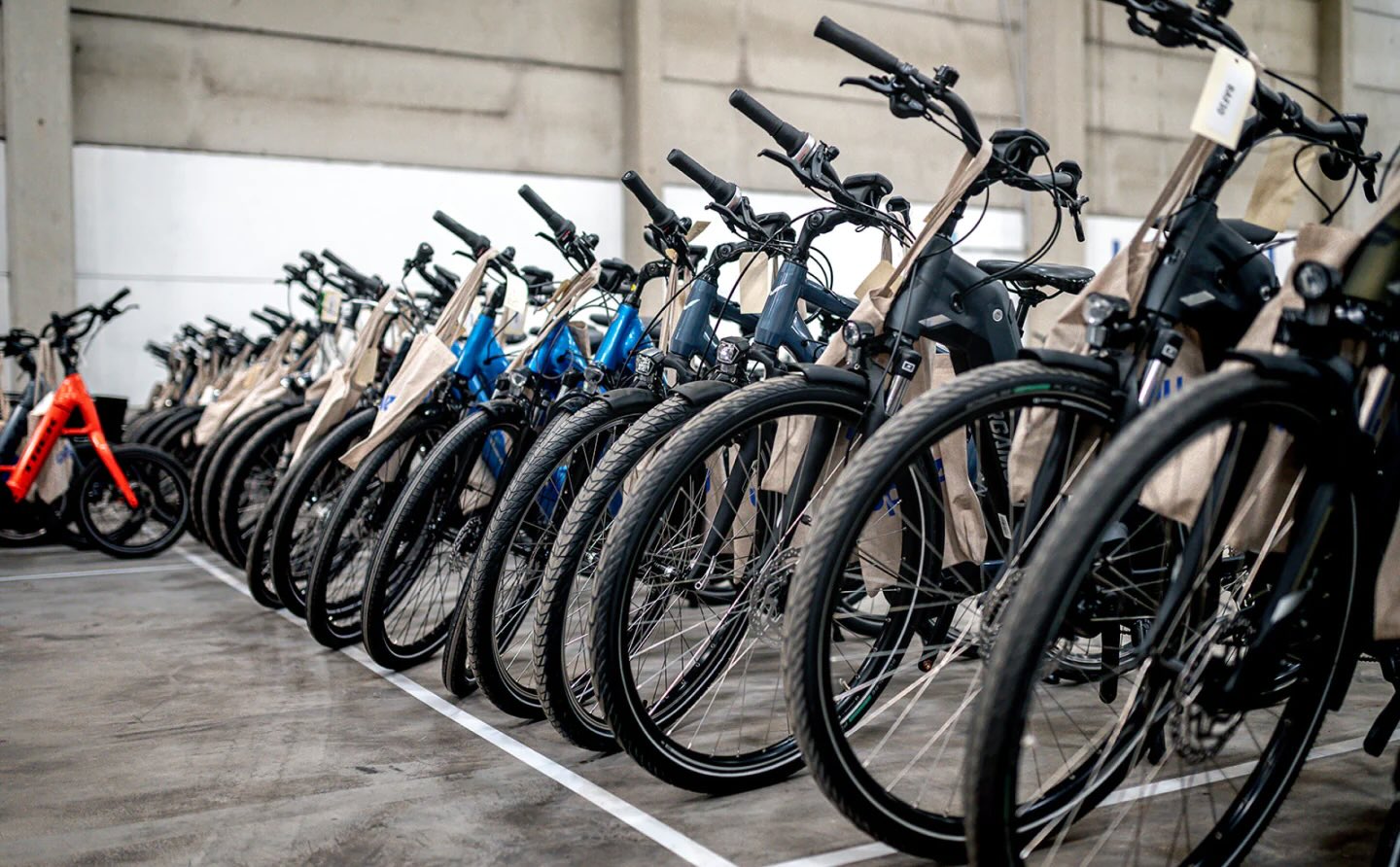
💡Upway makes it easy to find discounts of up to 60% on premium e-bike brands



|
What's the most you'd pay per month to put solar panels on your roof if there was no down payment?
Click your choice to see results and speak your mind. |
 $200 or more 💰
 What's being done about levee management?
Improving levee safety will require stronger monitoring, better coordination between agencies, and major investments in repairs and modernization.
Some federal efforts have improved levee management in recent decades, but researchers warn that many systems still have little margin for error as extreme rainfall becomes more common.
Communities can also reduce flood risk by improving floodplain planning, strengthening emergency warning systems, and restoring wetlands and other natural landscapes that help absorb excess water.

Get TCD's free newsletters for easy tips to save more, waste less, and make smarter choices — and earn up to $5,000 toward clean upgrades in TCD's exclusive Rewards Club.
Cool Picks






