


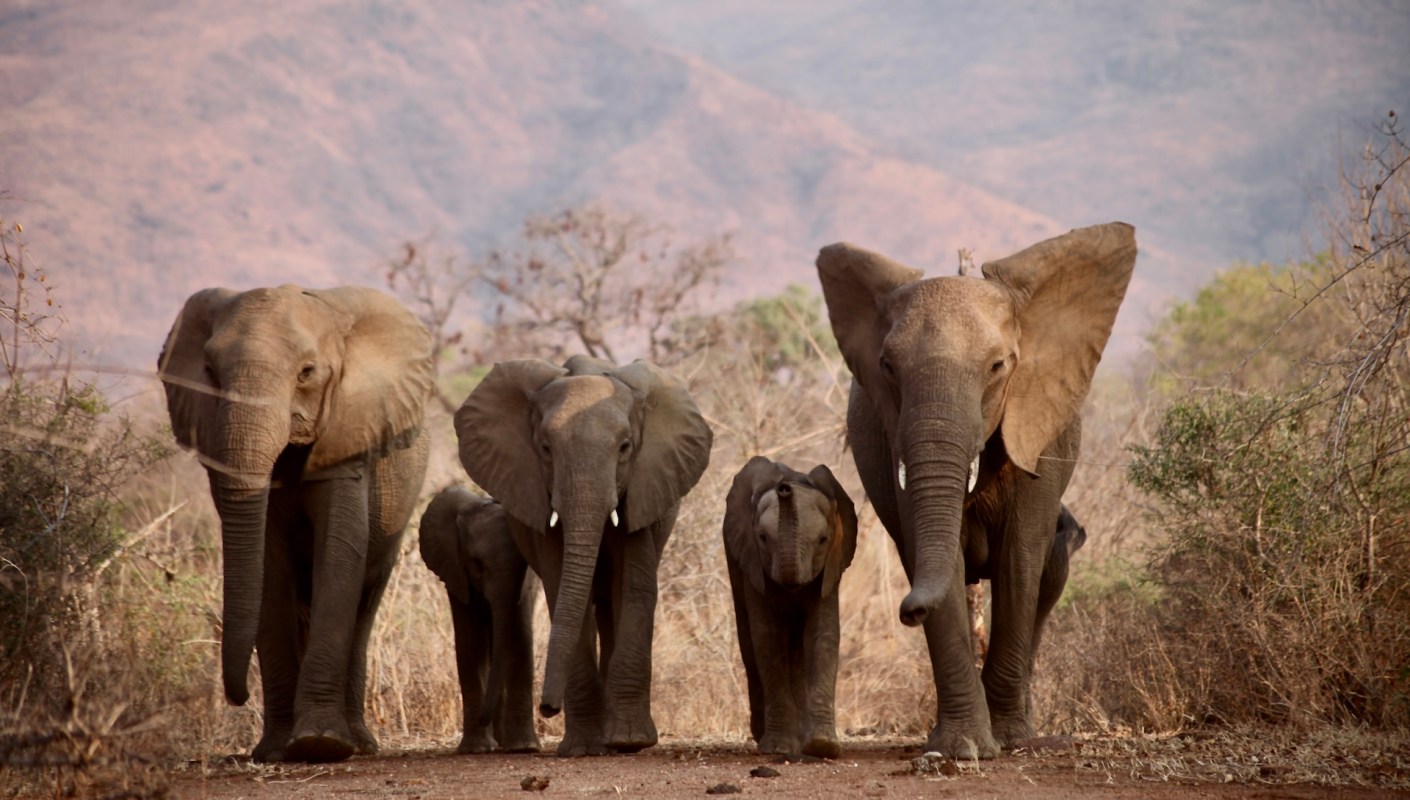
A study analyzing DNA samples from African forest elephant dung found that the species' population is larger than previously believed.
According to AFP, via Phys.org, the new status report showed that 135,690 African forest elephants were alive in 2024. In 2016, the survey estimated the number of elephants at closer to 114,000, according to the International Union for Conservation of Nature.
The IUCN still lists the African forest elephant as a "Critically Endangered" species. The population decline is attributed to various factors, including ivory poaching, farmer-elephant conflicts, deforestation, human expansion, and habitat destruction.
While the survey results are not as exciting as population growth, they are beneficial for conservation efforts. These results indicate that the data collection is becoming more accurate, while also informing conservation efforts and keeping the IUCN Red List up to date.
Understanding where populations stand helps conservationists allocate resources, target species in need, and track the progress of implemented efforts. With this data, researchers can help more species and protect Earth's biodiversity.
Every animal and plant in an ecosystem is essential, helping balance the food chain and support other species. When species go extinct, this balance is disrupted and can lead to problems such as resource insecurity, habitat loss, extreme weather, and disease outbreaks.
African forest elephants are particularly important. According to the World Wildlife Fund, these animals improve carbon storage in forests, keeping this pollution from entering the planet's atmosphere.
One forest elephant can increase a habitat's carbon capture by up to 250 acres, equivalent to the annual emissions from 2,047 gas-powered cars.
They clear forest areas to create habitats for other species, remove brush that outcompetes carbon-storing trees, and disperse fruit tree seeds, creating more food. They're considered a keystone species, so the success of their entire ecosystem is highly dependent on their survival.
As IUCN director general Grethel Aguilar explained, per AFP, the survey "shows us that conservation action is working for these iconic animals."
TCD Picks » Quince Spotlight
💡These best-sellers from Quince deliver affordable, sustainable luxury for all




|
Do you think America does a good job of protecting its natural beauty? Click your choice to see results and speak your mind. |
 Definitely 👍
 Rob Slotow, an IUCN African elephant specialist, added, "The updated numbers of African forest elephants should not be interpreted as population growth, but rather as the result of improved survey coverage made possible by DNA-based methods."
The accuracy of the survey results supports informed conservation. But there's still much work to be done to save this elephant species and help them thrive again.

Get TCD's free newsletters for easy tips to save more, waste less, and make smarter choices — and earn up to $5,000 toward clean upgrades in TCD's exclusive Rewards Club.
Cool Picks




