


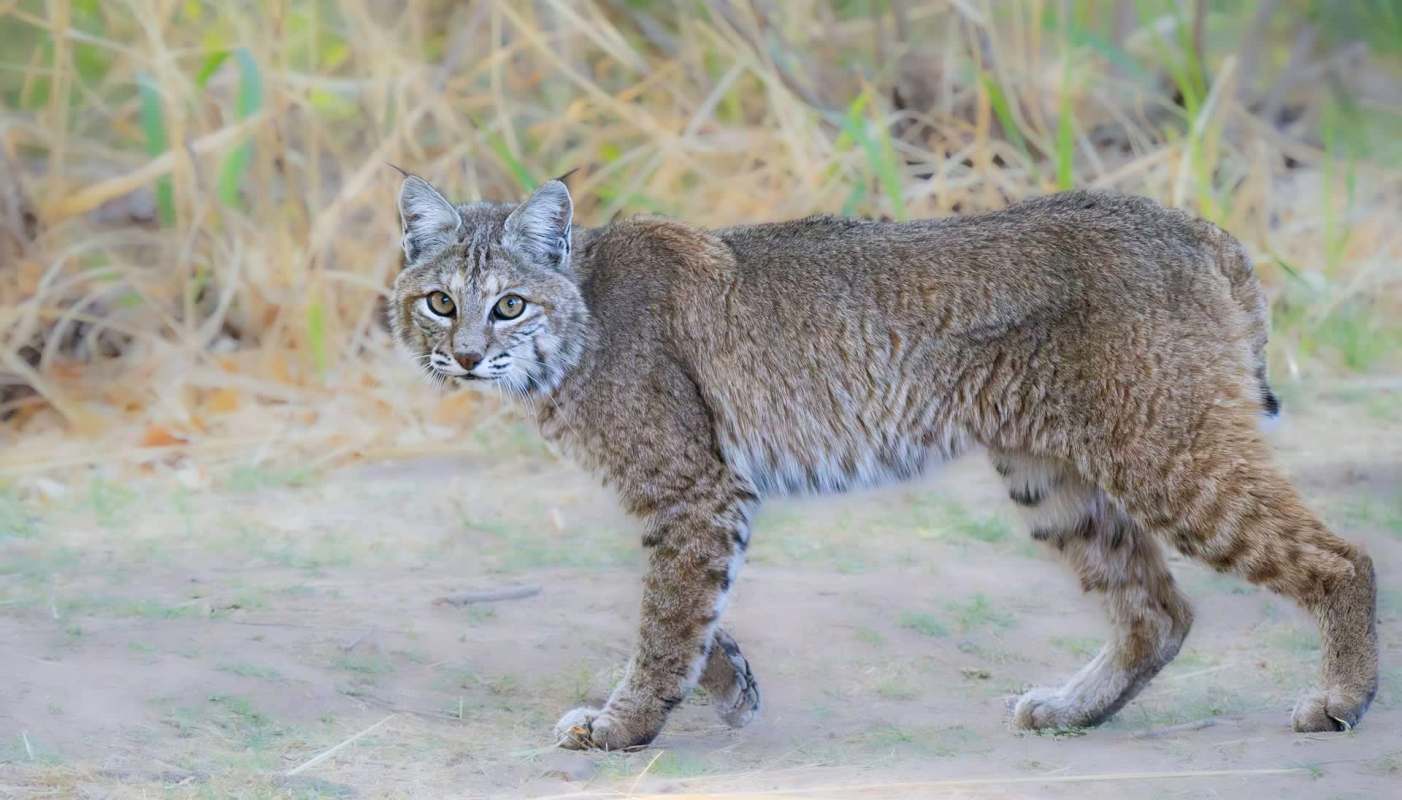
A Pennsylvania bobcat is back in the wild after months of treatment at Raven Ridge Wildlife Center for two legs broken in a vehicle crash.
According to LancasterOnline, her release in Adams County, Pennsylvania, made her the first bobcat the Manor Township center had ever rehabilitated and returned to the wild.
What happened?
After nearly six months in care, the bobcat had recovered enough to be released, Tracie Young, director of Raven Ridge Wildlife Center and a wildlife rehabilitator, told LancasterOnline in an email.
Young said the exact spot was not disclosed to protect the animal. She said the bobcat, believed to have been about a year old, arrived after an Adams County crash left her head caught in a vehicle's grille and damaged her legs.
Before treatment moved forward, four veterinarians and multiple wildlife rehabilitators evaluated whether the bobcat could survive care and eventually be released. On Feb. 16, three surgeons then spent more than 4.5 hours repairing both broken legs at once to reduce her time under anesthesia, LancasterOnline reported.
Why is this action important?
Bobcats are found across Pennsylvania, but because they are solitary and hard to spot, sightings are uncommon, and they rarely end up at rehabilitation centers.
TCD Picks » Quince Spotlight
💡These best-sellers from Quince deliver affordable, sustainable luxury for all




LancasterOnline reported that Pennsylvania classified bobcats as pests in the early 1900s and paid bounties for killing them. That policy led to more than 7,000 bobcats being killed from 1916 to 1938.
Now, the Pennsylvania Game Commission considers the state's bobcat population stable and growing, even if exact numbers are still difficult to determine.
What's being done?
Getting the bobcat back to the wild required specialized care, careful handling, and months of work by trained professionals. After surgery, she worked back up to about 2 pounds of meat a day.
But routine feeding can become dangerous as the animal's territorial instincts return. Young used thick leather gloves and kept contact as limited as possible to protect both staff and the bobcat.
"I was the only one that interacted with the Bobcat as this is a very dangerous animal to work with," Young told LancasterOnline. "I was able to accommodate the needed safety protocols to properly care for her."

Get TCD's free newsletters for easy tips, smart advice, and a chance to earn $5,000 toward home upgrades. To see more stories like this one, change your Google preferences here.







