


An unusual side effect of the Chinese province of Yunnan's renewable buildout is that it sometimes produces more clean electricity than the grid can absorb.
Researchers think some of that overflow could be stored underground in salt caverns by converting it into compressed air.
To evaluate whether those caverns could be used safely, the team mapped them with the Earth's ever-present ambient vibrations rather than standard seismic techniques.
What's happening?
Yunnan has added so much wind, solar, and hydropower capacity that its installed renewable generation now exceeds peak electricity demand. As a result, some clean electricity is regularly wasted, a problem known as curtailment.
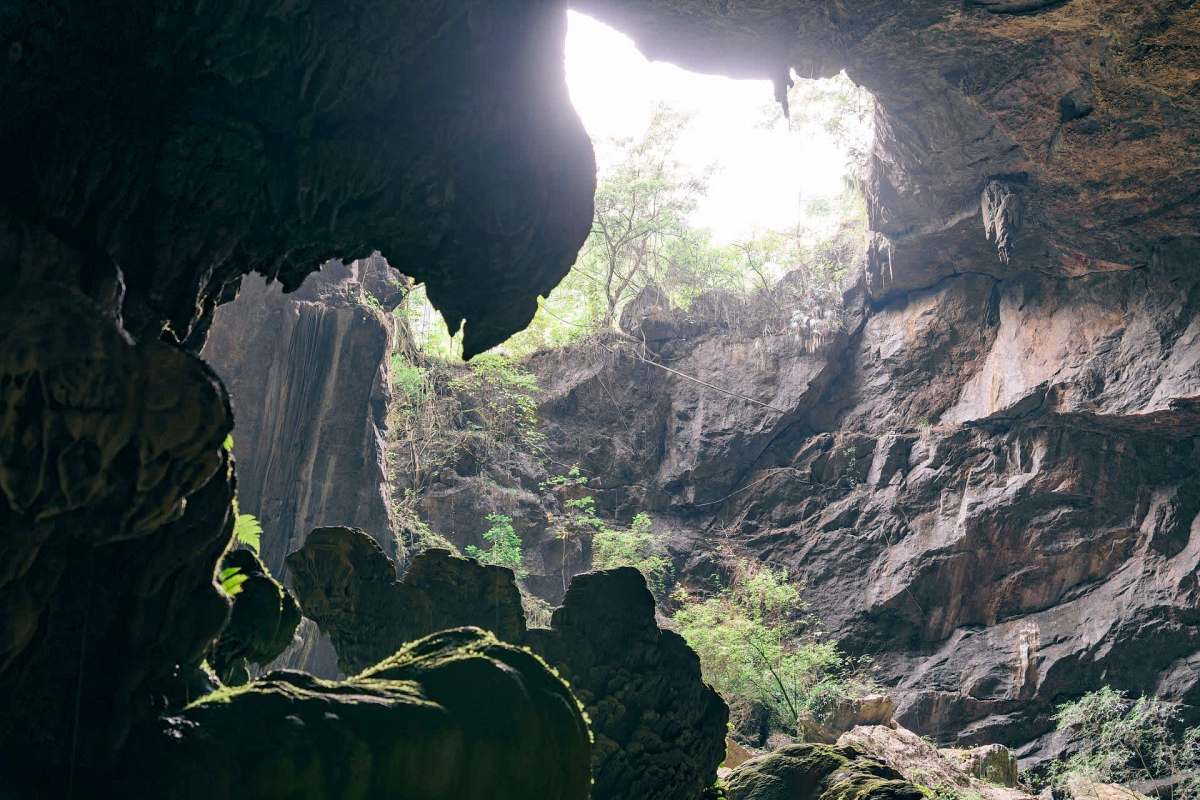
As Energies Media reported, researchers examined whether underground salt caverns in the Anning Basin could help store that unused energy for later use.
The concept is known as compressed air energy storage, or CAES. Extra electricity is used to compress air and push it into sealed underground caverns. When electricity demand rises, that air can then be released to help drive turbines and send power back to the grid.
TCD Picks » Quince Spotlight
💡These best-sellers from Quince deliver affordable, sustainable luxury for all




Before those caverns can be pressurized for storage, engineers need a clear picture of their geometry and condition. At this site, however, conventional seismic work was hard to carry out because traffic and industrial activity created heavy noise, electromagnetic interference disrupted measurements, and the terrain was difficult.
To get around those limitations, the researchers used Microtremor Array Measurements, a passive technique that turns everyday ground vibrations from sources such as traffic and wind into subsurface images. With it, they identified four caverns reaching depths of 1,968 feet and estimated a combined volume of nearly 15 million cubic feet, according to Energies Media.
Why does it matter?
Energy storage remains one of the biggest gaps in the clean energy transition. Generating electricity from the sun, wind, and water is only part of the equation if grids cannot hold that power until people need it.
Stronger storage systems can mean a more reliable grid, fewer energy bottlenecks, and potentially lower costs as less clean electricity is wasted. They can also help balance supply during periods of high demand without relying as heavily on dirty backup power.
If more renewable power is used rather than curtailed, utilities may be able to reduce their dependence on fossil-fuel generation, cutting the air pollution linked to asthma, heart disease, and other serious health concerns.
Because this method worked in a noisy urban or industrial setting, the study suggests that places that are hard to survey conventionally may still be suitable for energy storage projects. That could broaden where clean energy infrastructure can be developed when standard mapping tools are not effective.
What's being done?
The team surveyed 31 lines spanning 76,000 feet, fixed 1,188 points with precise georeferencing, made topographic adjustments, and reran checks at select locations to verify the data.
The results indicated a two-part shape in each cavern: a wider lower portion in the salt layer and a tighter, cone-like upper portion in formation mixed with mudstone and gypsum. The team also identified low-velocity zones between some wells that suggested concealed hydraulic pathways engineers would need to account for before pressurizing the caverns.
That kind of detail could make future CAES projects both safer and less expensive by helping developers design sealing systems and assess structural stability before construction starts. Since the survey method is passive, it also avoids adding more noise to already busy areas.
If the deeper salt layer continues to behave in the "self-healing" way researchers described, Yunnan's excess renewable energy may finally have a place to be stored — and the planet's background hum may help point to the safest path forward.

Get TCD's free newsletters for easy tips, smart advice, and a chance to earn $5,000 toward home upgrades. To see more stories like this one, change your Google preferences here.







