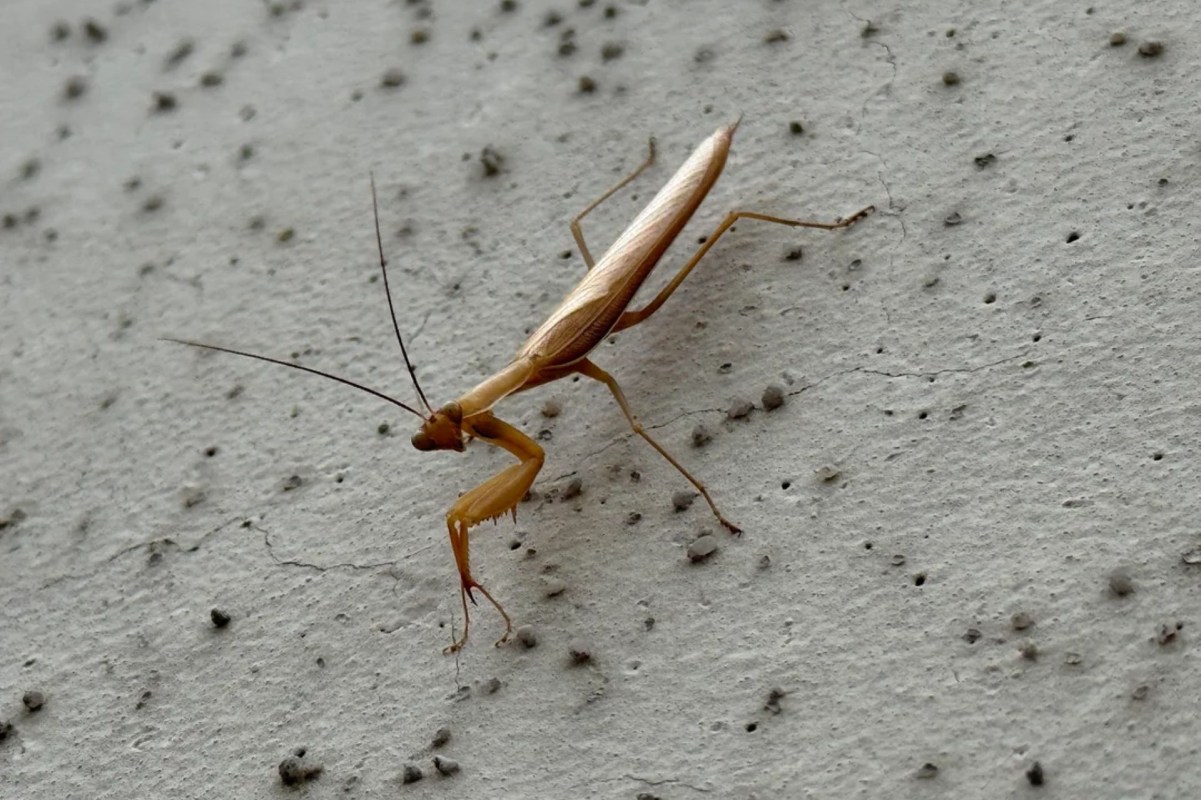
A bright yellow European mantis is drawing attention online after a wildlife enthusiast in Germany shared a photo of the insect.
But beyond the surprise factor, the unusual sighting is also encouraging people to help scientists track where these insects are appearing.
What happened?
The conversation started with a Reddit post showing a yellow European mantis — Mantis religiosa — with the poster saying they had never before seen one in Germany, writing, "Didn't know they exist in this yellow color."
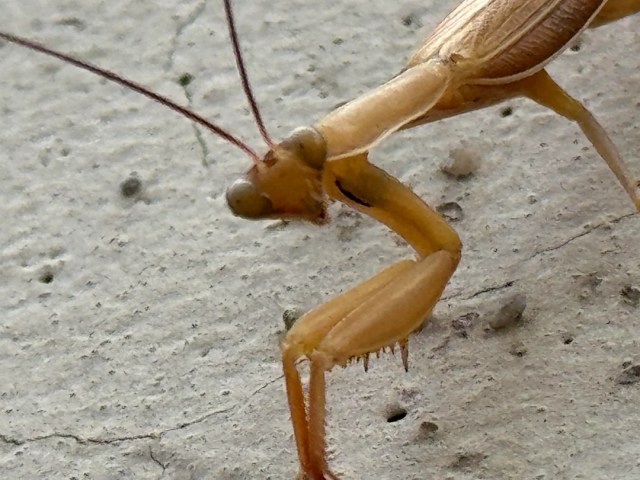
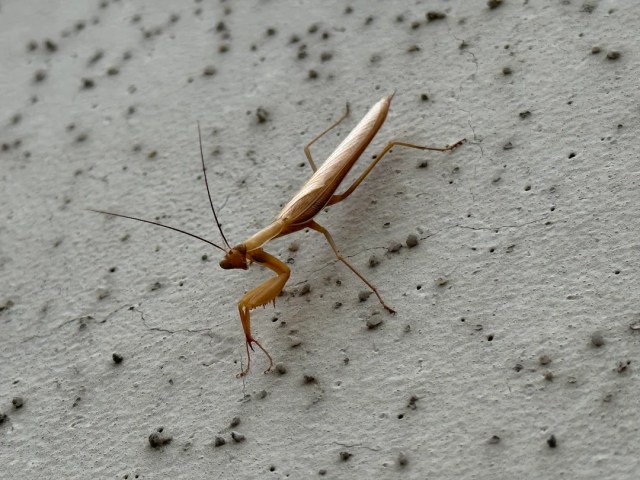
People in the comments focused on both the unusual coloration and the species' local presence. One commenter wrote, "I still wait to see one in my area. Great find!"
Fellow Redditors also pointed others toward NABU, a German conservation group that collects public mantis reports for scientific study. One commenter said the organization is tracking the pace of the species' spread, as well as where individual insects and established populations are being found.
Why does it matter?
A yellow mantis may seem like a small curiosity, but sightings like this can help document how ecosystems are changing. When insects begin appearing in new places or in greater numbers, it can signal shifting local conditions.
TCD Picks » Quince Spotlight
💡These best-sellers from Quince deliver affordable, sustainable luxury for all




People in the thread mentioned mantises turning up indoors, around homes, and in places where they now appear to be a more familiar sight.
"They have been around since 2017 but the extreme heat made the population explode," one commenter said.
A striking encounter in a backyard or garden can become a valuable data point for researchers trying to understand how wildlife ranges are changing.
What can I do?
Reporting a mantis sighting to NABU can help researchers build a clearer map of where the insect is being found in Germany.
Commenters cautioned against submitting the same sighting multiple times. They noted that verified observations from NABU, obsIdentify, and iNaturalist are ultimately funneled into GBIF, so an encounter already logged through one of those services should not be entered again through another.
Citizen science will not solve large-scale environmental change on its own, but it can give scientists a clearer picture of what is happening on the ground — and, in this case, in gardens, homes, and neighborhoods.

Get TCD's free newsletters for easy tips, smart advice, and a chance to earn $5,000 toward home upgrades. To see more stories like this one, change your Google preferences here.