


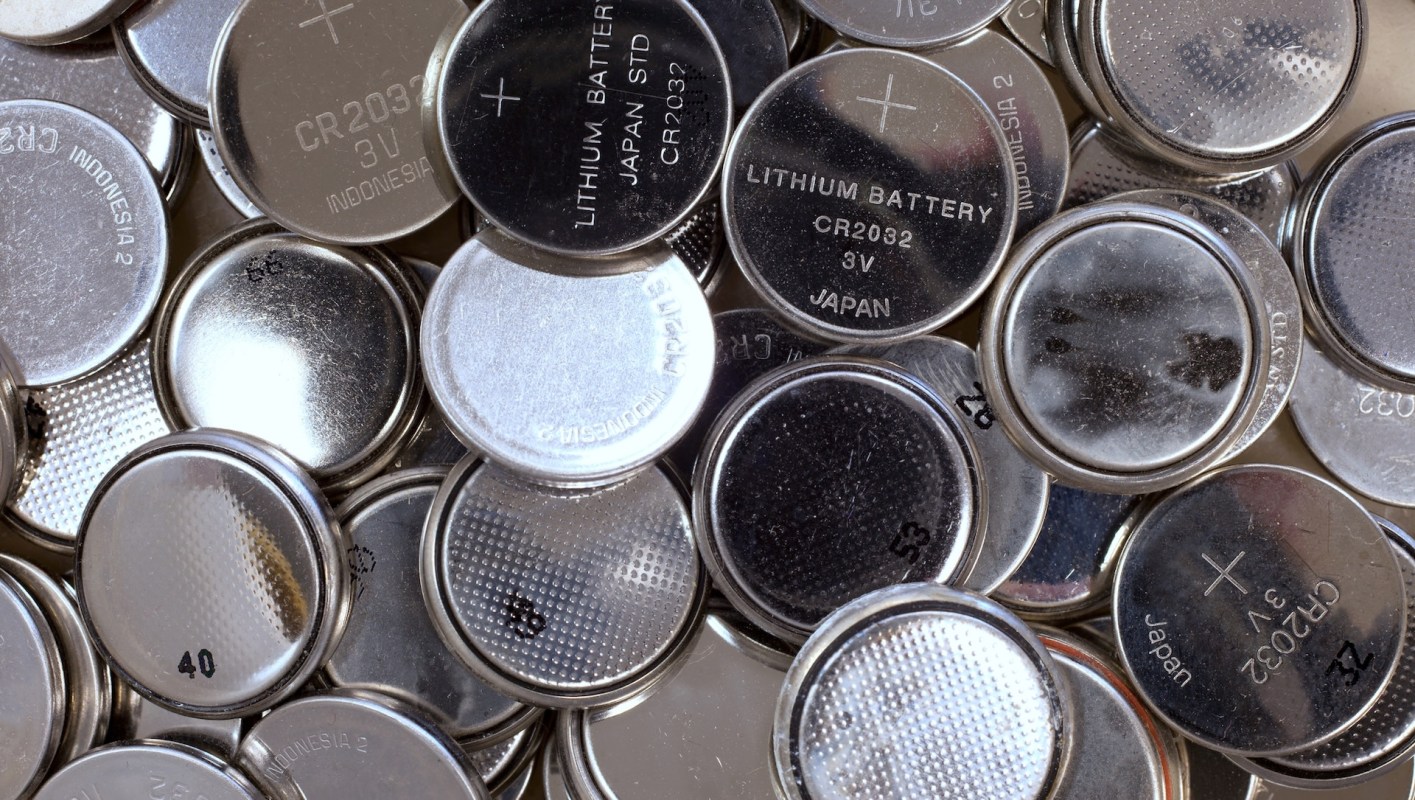
Worcester Polytechnic Institute researchers in Massachusetts uncovered a new way to recycle lithium-ion batteries efficiently and sustainably.
A summary published on Tech Xplore recapped the research team's testing of their hydrometallurgical upcycling method. The study was published in Energy Storage Materials.
The innovative approach is advantageous over traditional recycling methods that do not effectively recover lithium-ion battery materials. Existing methods are also often energy-intensive and produce low-value outputs.
In contrast, the researchers' new recycling strategy focuses on spent mixed nickel-lean cathode materials, which are prevalent in lithium-ion batteries. Their testing indicates that this approach recovers over 92% of nickel, manganese, and cobalt from the batteries and can transform them into high-performance cathode powders.
By upcycling spent Ni-lean mixed cathode materials in this way, scientists use 8.6% less energy than with other methods. Equally encouraging is the fact that the new process can reduce carbon emissions by 13.9% compared to the alternatives.
This Worcester Polytechnic Institute discovery is a positive development because it addresses significant challenges in the lithium-ion battery industry.
There has been growing demand for these batteries in clean energy technologies, such as electric vehicles. Without effective recycling methods, battery waste has been accumulating.
Now, with this technological advancement, lithium-ion batteries can be recycled and reused more efficiently. It holds promise for reducing battery waste and curbing our growing reliance on mining for critical metals used in battery production.
"The techno-economic analysis highlights a substantial reduction in greenhouse gas emissions and energy consumption, making the recycling process more environmentally friendly than traditional methods," the researchers highlighted. "Additionally, the upcycling hydrometallurgical approach generates the highest profitability, showcasing its economic viability and effectiveness in leveraging mixed feedstocks."
Meanwhile, other scientists have been discovering additional battery recycling methods and exploring alternative battery technologies using new materials.
TCD Picks » Quince Spotlight
💡These best-sellers from Quince deliver affordable, sustainable luxury for all




|
Which factor would most effectively motivate you to recycle your old batteries? Click your choice to see results and speak your mind. |
 Getting money back 💰
 Better battery technology and recycling options can help pave the way toward more electric vehicles in operation worldwide, and more EVs on our roads would translate to cleaner air and less planet-overheating pollution altering weather patterns in our atmosphere.
Beyond EVs, battery backups that complement solar energy systems contribute to larger sustainability goals as communities move away from dirty energy sources to curb pollution and improve public health.
Professor Yan Wang, who led the Worcester Polytechnic Institute study, said in the Tech Xplore summary, "We've shown that it's possible to create high-performance batteries from recycled materials at scale, which is essential for building a more sustainable and resilient battery supply chain."
The researchers hope to see their discovery in action as a solution for managing battery waste that protects environmental resources and supports the availability of in-demand materials in the future.

Join our free newsletter for weekly updates on the latest innovations improving our lives and shaping our future, and don't miss this cool list of easy ways to help yourself while helping the planet.
Cool Picks





