


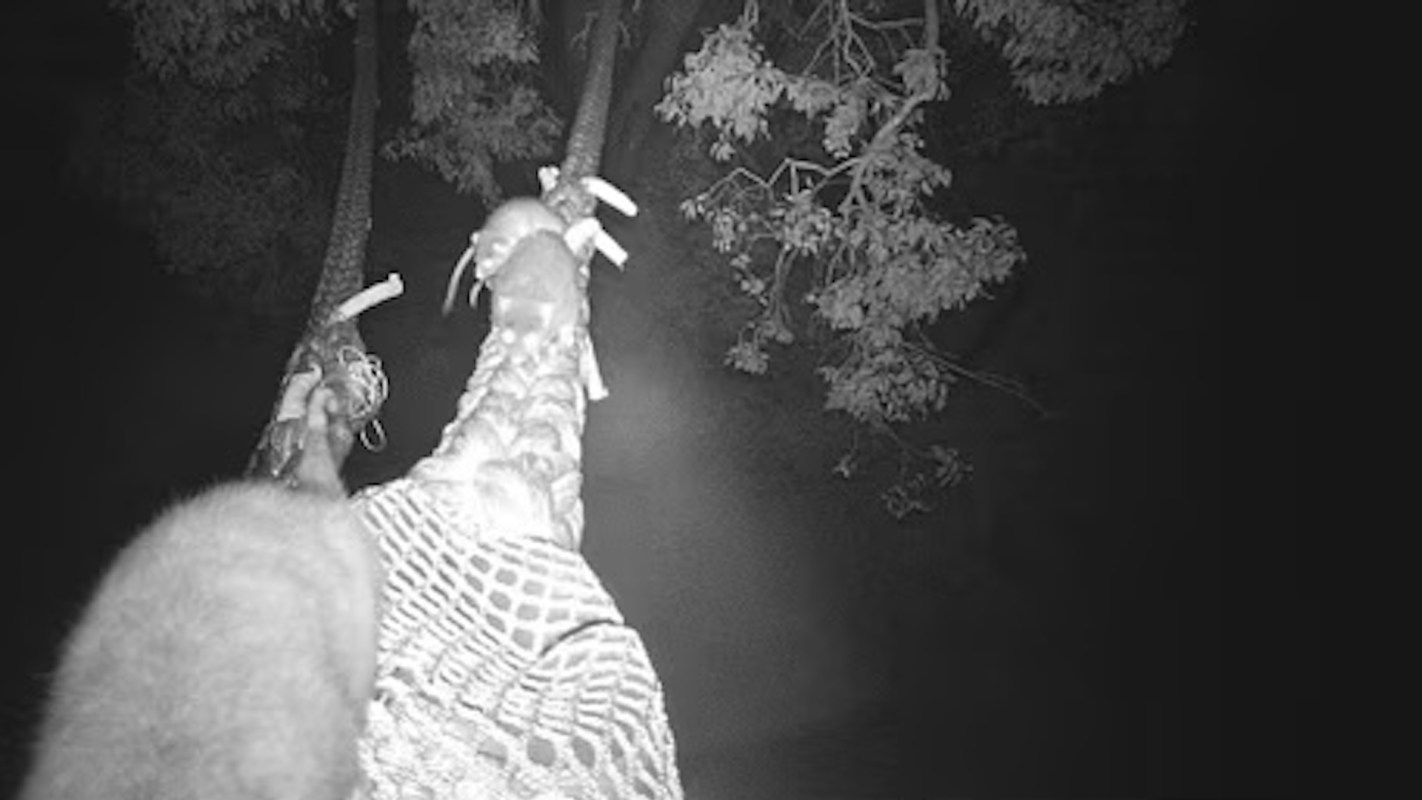
On a newly built highway in Western Australia, wildlife crossings that many doubted would help animals are already being used frequently.
Initial monitoring indicates that endangered species such as brush-tailed phascogales and western ringtail possums are among the animals using them.
What happened?
According to the Australian Broadcasting Corp., the Wilman Wadandi Highway was equipped with a $1.46 billion wildlife crossing project about 170 kilometers (106 miles) south of Perth. It consists of 19 rope bridges, 24 underpasses, and two land bridges.
The state government said the results are encouraging: Night-vision and motion-sensor monitoring have already logged thousands of uses.
A Main Roads spokesperson told the ABC that a review covering just 12 nights across spring 2025 and summer 2026 recorded "almost 1,000 images of possums and phascogales using the structures across 46 cameras."
The design had previously drawn skepticism.
TCD Picks » Quince Spotlight
💡These best-sellers from Quince deliver affordable, sustainable luxury for all




The ABC reported that the multilane road was built over four years and is expected to shave roughly 18 minutes off trips for commuters while easing congestion for locals.
Why does it matter?
Roads that cut through habitat can cause collisions with animals, threaten already vulnerable species, and create safety risks for drivers. If crossings work as intended, they can protect biodiversity while making major transportation projects less damaging.
The ABC reported that, because western ringtail possums are endangered, the National Environmental Protection Agency specifically called for safe routes so they could move toward new habitat.
The highway's crossings were intended to reduce harm, especially in a region where wildlife and people live in close proximity.
The project could also provide a model for future infrastructure efforts.
If rope bridges, underpasses, and land bridges can help animals cross a busy highway, they could influence how regions balance development with conservation.
What are people saying?
"Monitoring to date has far exceeded our expectations and has shown regular and widespread use of the structures," the Main Roads spokesperson said, according to the ABC.
Even so, the project has not been a clear success.
"I don't think we have enough information to say that yet, and I know there's been a lot of scepticism about whether they're working," said Manda Page, chief executive of South West Natural Resource Management.
Page added, "This was a great experiment to find out if these sorts of structures across much wider roads were going to be used by wildlife and I really look forward to delving into the data."
Suzanne Strap, president of Fostering and Assistance for Wildlife Needing Aid, also wants to see detailed numbers, including how many crossings were successful for each species and each type of structure. She said animals have gotten caught in the fencing and other crossing infrastructure and that possums and kangaroos have been killed on the road.

Get TCD's free newsletters for easy tips, smart advice, and a chance to earn $5,000 toward home upgrades. To see more stories like this one, change your Google preferences here.






