


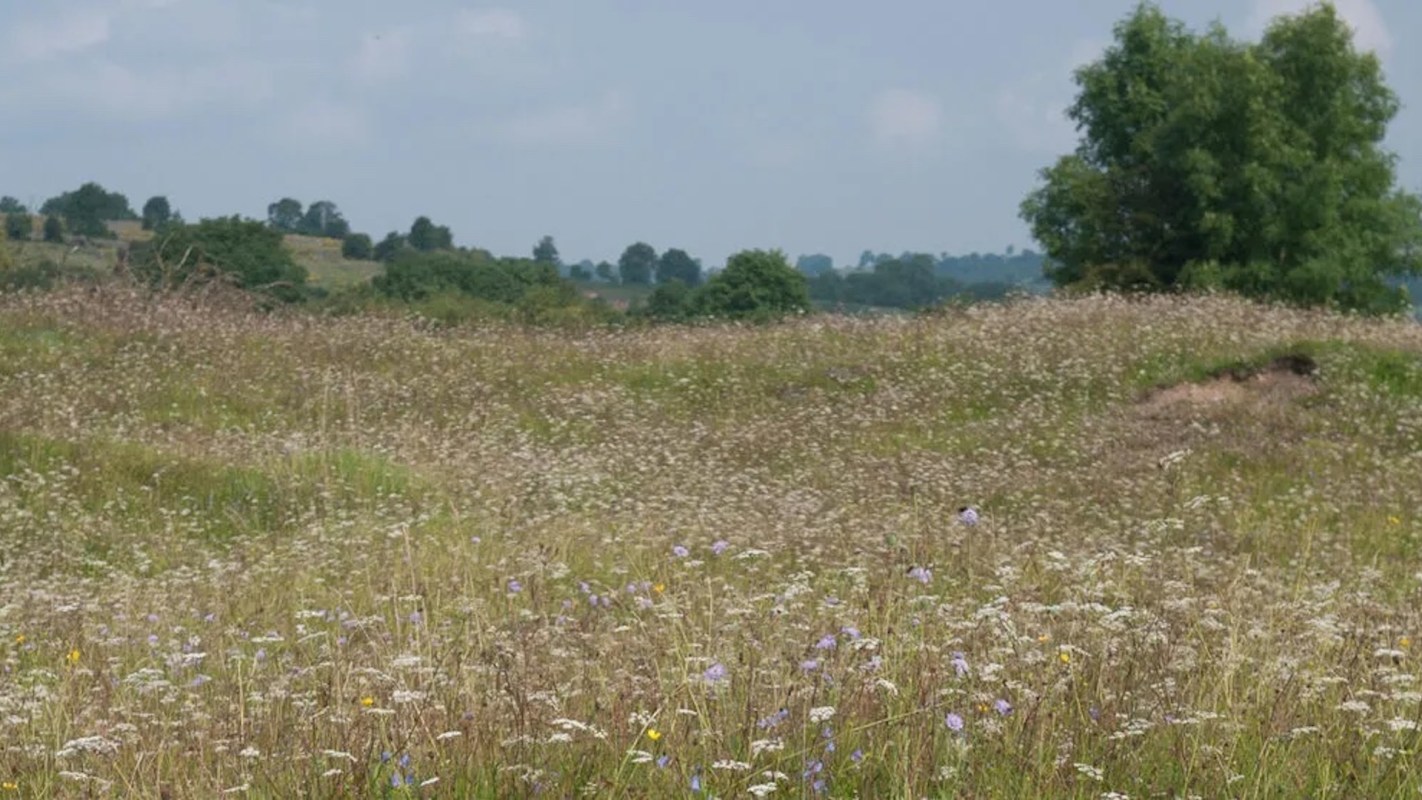
Wildflowers blooming in meadows in the United Kingdom may seem fragile, but they have actually adapted to survive heavy metal contamination and trap it underground.
Only a small set of plants known as metallophytes can survive the metal-laden soils resulting from more than 1,000 years of mining in Northern England, the Guardian reported. Material from those mining operations built up along riverbanks and spoil heaps, creating conditions that most other species cannot tolerate.
"This is absolutely a case of nature responding to pollution caused by humans," Geoff Dobbins, estates manager at the Northumberland Wildlife Trust, told the publication about the calaminarian grasslands.
The habitat is named for the violets that have been able to withstand the contaminated soil, resulting in a man-made meadow.
Although the U.K. holds about 30% of Europe's calaminarian grasslands, the habitat remains scarce, covering only around 450 hectares and potentially fading away.
Meanwhile, through a process called phytoremediation, these plants still absorb heavy metals through their roots. As "hyper-accumulators," they can help keep that contamination held below the surface — and could continue to demonstrate this attribute for years to come.
TCD Picks » Quince Spotlight
💡These best-sellers from Quince deliver affordable, sustainable luxury for all




In England, abandoned metal mines are still responsible for contamination along roughly 900 miles of river, according to the Guardian. For nearby communities, improving those waterways through methods more robust than relying on hyper-accumulators alone can support healthier ecosystems, safer landscapes, and less environmental risk.
But it may also impact the state of calaminarian grasslands.
Current projects in Northern England are trying to cut pollution runoff without losing the rare plants that evolved under such polluted conditions. The work includes scraping away topsoil to uncover metal-rich subsoils and planting more than 1,500 plugs of key species near former mine sites.
The Guardian reported that despite the current efforts to keep the plants thriving, experts have noted that eventually, as lead levels decrease in the area, these species of hyper-accumulators — now a part of a rich ecosystem — may fade.

Get TCD's free newsletters for easy tips, smart advice, and a chance to earn $5,000 toward home upgrades. To see more stories like this one, change your Google preferences here.






