


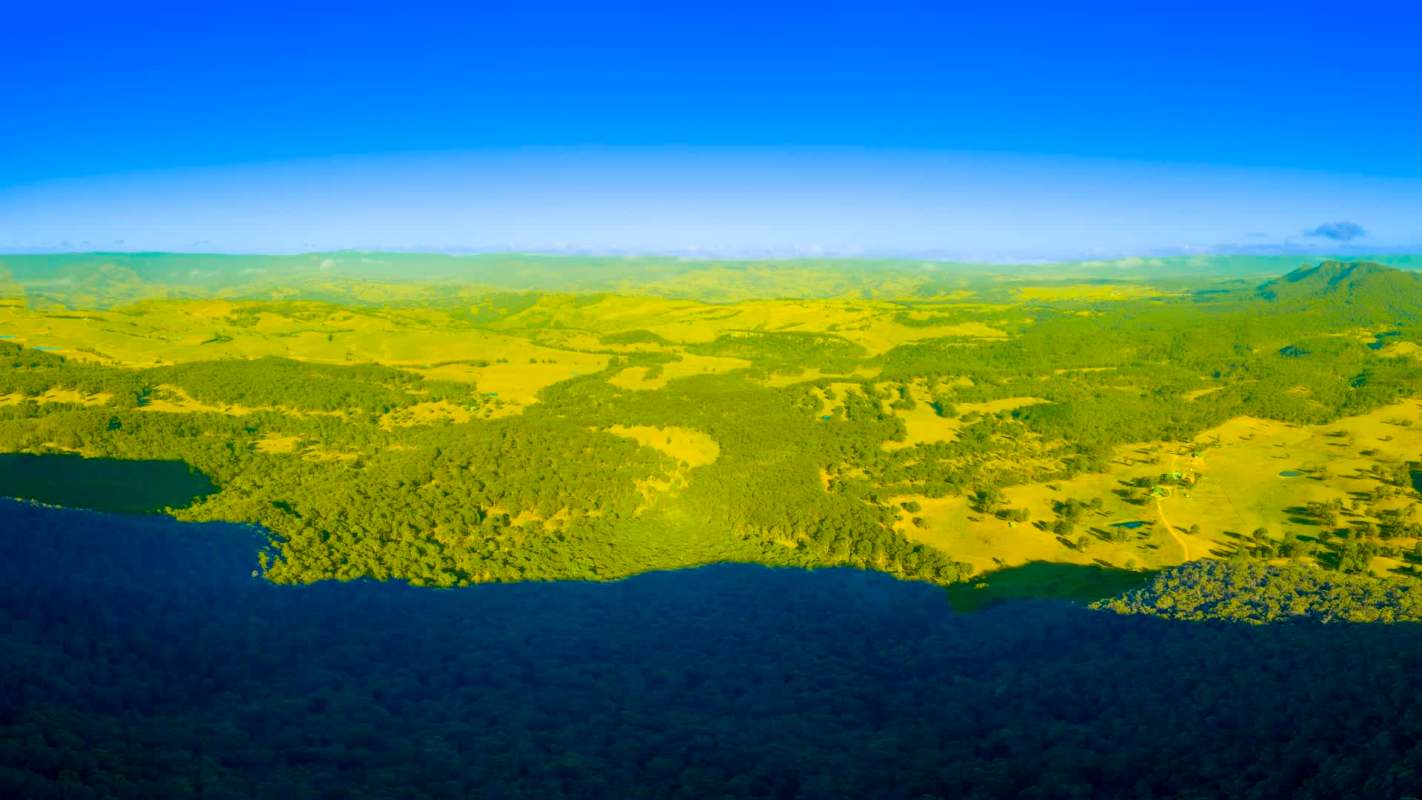
Wildfire trends are not unfolding the same way in every high-risk region, even as the world heats up. In the U.S. Southwest, burned forest area has soared, but eastern Australia has not experienced a comparable increase.
What's happening?
A study in Environmental Research Letters points to a decadeslong shift in the tropical Pacific as part of the reason the two regions have moved in such different directions for wildfire activity, as State of the Planet reported (via Phys.org).
The researchers looked at climate records and burned forest area from 1984 to 2022, with special attention to vapor pressure deficit. VPD measures atmospheric dryness — in other words, how strongly the air pulls moisture from soil and plants — and higher dryness generally raises wildfire risk.
During the study period, burned forest area rose dramatically in the U.S. Southwest, increasing by more than 3,000% in the interior Southwest and by more than 1,000% in a coastal region that includes much of California. The study found that most of the added dryness came from human-caused warming, while the Pacific pattern strengthened that effect and contributed about 22% of the dryness-related increase in burned forest area.
In eastern Australia, the pattern had the opposite influence. There, it was linked to less drying than warming alone would have caused, matching an estimated 19% reduction in burned forest area across the two subregions analyzed.
Why does it matter?
Wildfire risk is shaped by more than steadily rising temperatures. Long-term ocean patterns can intensify or temper the effects of warming, which means fire danger can develop differently from one region to another.
TCD Picks » Quince Spotlight
💡These best-sellers from Quince deliver affordable, sustainable luxury for all




That does not mean eastern Australia avoided the effects of warming. Atmospheric dryness still trended upward there, showing that the Pacific shift weakened the warming signal rather than erasing it, while, in the U.S. Southwest, the added dryness on top of higher temperatures has helped fuel more destructive fire seasons.
Climate-related fire danger does not always advance in a simple, linear way, and making useful regional forecasts requires accounting for both planet-warming pollution and natural climate variability.
What's being done?
Scientists are putting more focus on these slower Pacific changes alongside the better-known El Niño and La Niña cycles. A clearer picture of those longer-term shifts could improve long-range wildfire forecasting and help governments and emergency agencies prepare more effectively.
The research also underscores a major unresolved issue. Climate models tend to project a different future course for the tropical Pacific than what has been observed in recent decades, and scientists are still working to determine how much of the current pattern is tied to natural variability, pollution-driven change, or a combination of the two.
Better forecasting may also help with cross-border firefighting planning. The U.S. and Australia have long been able to share resources in part because their fire seasons have historically peaked at different times, although that overlap is already becoming greater.
Lead author Tess Wei-Ping Jacobson, a postdoctoral fellow at NASA Goddard Institute of Space Studies, said, "We found that what's happening in the tropical Pacific over longer timescales, not just during El Niño and La Niña, is another significant piece of the puzzle."

Get TCD's free newsletters for easy tips, smart advice, and a chance to earn $5,000 toward home upgrades. To see more stories like this one, change your Google preferences here.






