


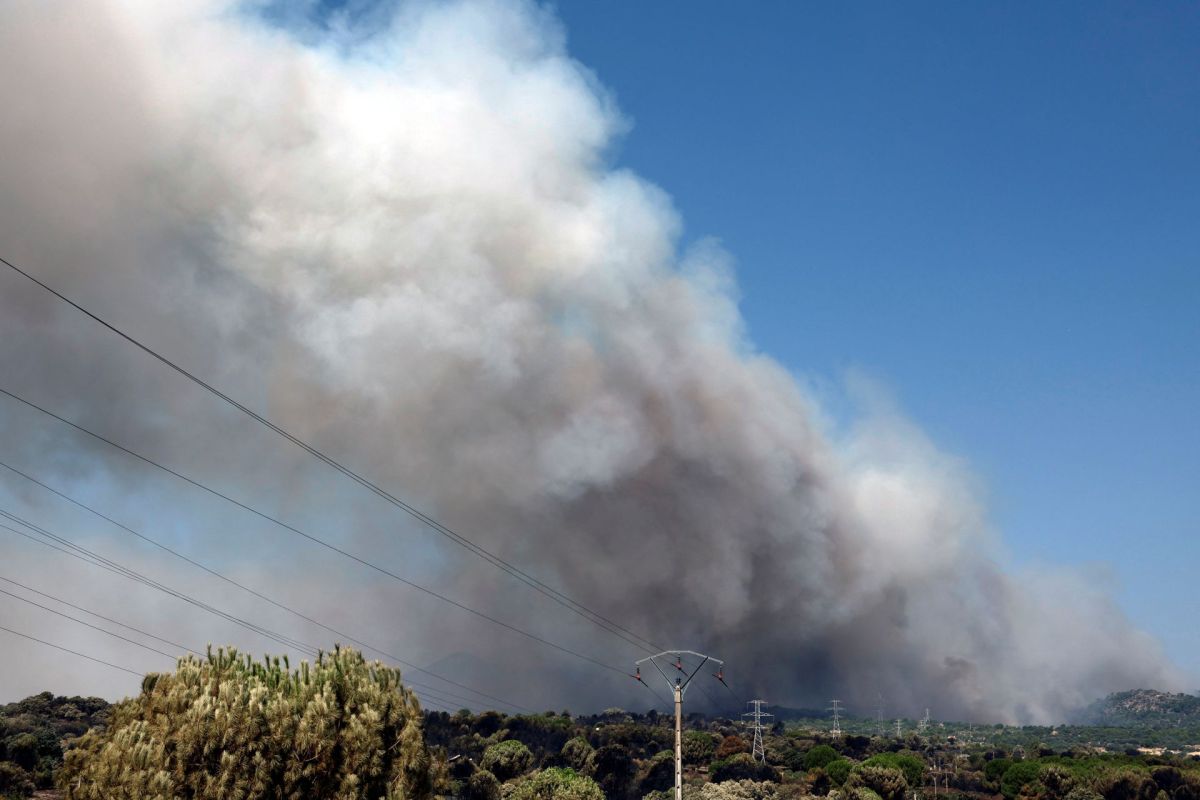
Across parts of France and Spain, wildfires are driving residents from their homes and burning through huge areas. Yet the gravest risk may be invisible.
For many people, the greatest health danger that wildfires pose does not come from the flames themselves but from the smoke, which can threaten communities well beyond the edge of the blaze.
What's happening?
In a video posted to YouTube, Adam (@ClimateAdam), a climate scientist with a PhD from Oxford, is recasting Europe's wildfire emergency as a public health warning: "The danger from these fires isn't what you think."
Even outside evacuation areas, the fires in France and Spain are creating danger as hundreds of thousands of people are displaced.
In his YouTube explainer, Adam described wildfire smoke as a cause of asthma flare-ups, worsening heart and lung disease, more hospital visits, and even premature death.
These health impacts are not confined to the immediate burn zone and can continue after a blaze has been put out.
TCD Picks » Quince Spotlight
💡These best-sellers from Quince deliver affordable, sustainable luxury for all




Adam cited research on Canada's 2023 wildfires linking smoke-driven air pollution to tens of thousands of deaths, with impacts reaching as far away as Europe.
Europe's extreme heat and drought, the video argued, are being intensified by climate change, leaving vegetation drier and giving fires more opportunity to burn longer and spread farther.
Why does it matter?
The danger from wildfire smoke is easy to underestimate because it does not always look dramatic, particularly when compared to images of massive flames.
However, fine particles in smoky air are often the bigger concern because they can travel deep into the lungs and also affect the heart.
As a result, people far from an active fire may still face significant health risks.
Children, older adults, outdoor workers, and people with asthma or other respiratory conditions can be especially vulnerable, but unhealthy air can affect almost anyone.
According to the scientist, climate change is worsening these events by making the heat and drought that help fires spread more intense.
As he put it: "This is a reminder why stopping burning fossil fuels is so important."
Public frustration over that connection was also evident in the comments.
"My god, I can't believe that governments still do nothing to mitigate CO₂ emissions," one commenter wrote.
What can I do?
When smoke moves into your area, one of the most useful steps is to monitor local air quality and adjust your plans accordingly.
Limiting strenuous outdoor activity, keeping windows closed, and using an air purifier or a high-efficiency HVAC filter can help reduce indoor exposure.
If you need to be outside in smoky conditions, a well-fitted N95 mask can offer more protection than a cloth face covering.
People with heart and lung conditions may also want to make sure that they are stocked up on their medications and that they are easy to access.
While taking individual precautions can lower personal risk, reducing the pollution that produces both climate change and dirty, unhealthy air will require broader action from governments, utilities, and industry.
"Protecting ourselves from air pollution means putting out the fire as quickly as possible, whether it's burning forests or burning fossil fuels," the scientist said.

Get TCD's free newsletters for easy tips, smart advice, and a chance to earn $5,000 toward home upgrades. To see more stories like this one, change your Google preferences here.






