


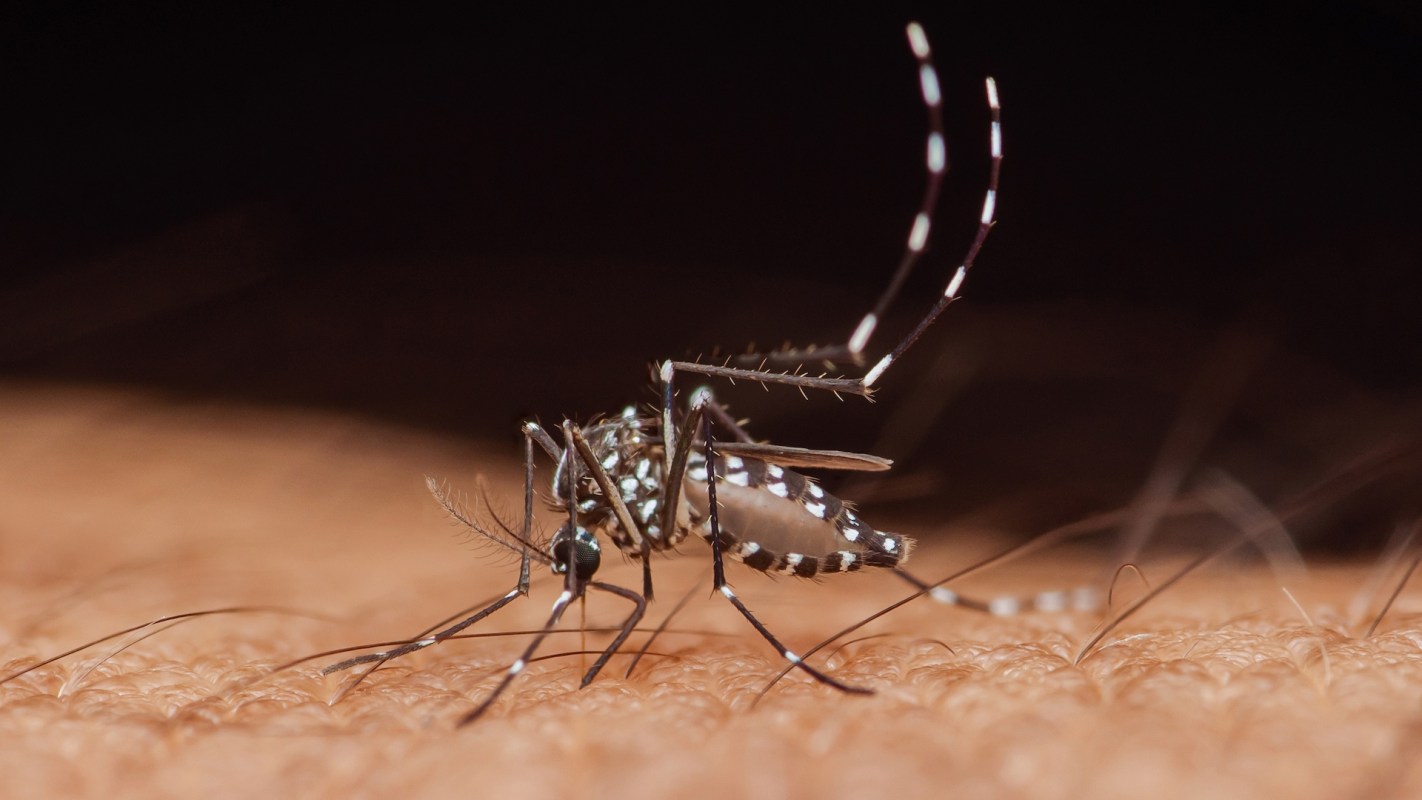
Mosquito activity is ramping up in New Jersey, and state officials are telling residents to take precautions after West Nile virus was detected in mosquito samples from 12 counties this year.
With warmer weather helping mosquito populations grow and stay alive throughout the seasons, public health agencies are stepping up efforts to limit the chance that these insects spread dangerous illnesses.
What's happening?
According to a report from WDHA FM, officials from New Jersey's Departments of Health, Environmental Protection, and Agriculture are warning residents about mosquito-borne diseases after West Nile virus was detected earlier than usual this season.
While New Jersey averages about 22 human West Nile cases each year, state officials said they are also watching for other mosquito-linked threats — including Eastern equine encephalitis and Jamestown Canyon virus — as mosquito populations expand statewide.
In comments cited by Morning Ag Clips and reported by WDHA FM, New Jersey Health Commissioner Dr. Raynard E. Washington emphasized prevention.
"Protecting public health is a shared responsibility. The best defense against diseases transmitted by mosquitoes is to avoid being bitten in the first place and reducing breeding grounds," Washington said.
TCD Picks » Quince Spotlight
💡These best-sellers from Quince deliver affordable, sustainable luxury for all




New Jersey is home to more than 63 mosquito species, WDHA FM reported, and trillions hatch each summer. Even though most mosquitoes live only two to three weeks, they can still transmit serious illnesses.
Why does it matter?
Mosquito bites may seem like little more than a seasonal nuisance. But health officials warn that mosquitoes can carry diseases that cause fever, headaches, body aches, and, in severe cases, central nervous system complications that can lead to hospitalization or death.
Older adults and people with certain underlying health conditions face a greater risk of serious complications. Early detection gives communities advance warning before more residents begin spending time outdoors later in the summer.
According to a report from NorthJersey.com and WDHA FM, Chicago environmental scientist and toxicologist David Zaber summed up the threat bluntly: "They're the deadliest animal in the world. Humans are probably second."
What can I do?
Eliminating standing water is among the most important ways to reduce mosquito breeding, officials said. Residents are being advised to dump out water from items such as flower pots, birdbaths, buckets, and pet dishes each week, and to keep gutters unclogged and swimming pools properly maintained.
In places where water cannot simply be poured out, officials said mosquito dunks made with Bacillus thuringiensis can be used to kill larvae before they emerge, including in spots such as fountains and birdbaths, WDHA FM reported.
To lower the risk of bites outdoors, the state advises residents to apply Environmental Protection Agency-registered insect repellents, wear long sleeves and pants, and spend time in screened or air-conditioned spaces whenever possible. Mosquitoes tend to be most active at dawn and dusk.

Get TCD's free newsletters for easy tips, smart advice, and a chance to earn $5,000 toward home upgrades. To see more stories like this one, change your Google preferences here.






