


When it comes to understanding what's happening to our planet, one point of confusion keeps popping up: weather versus climate.
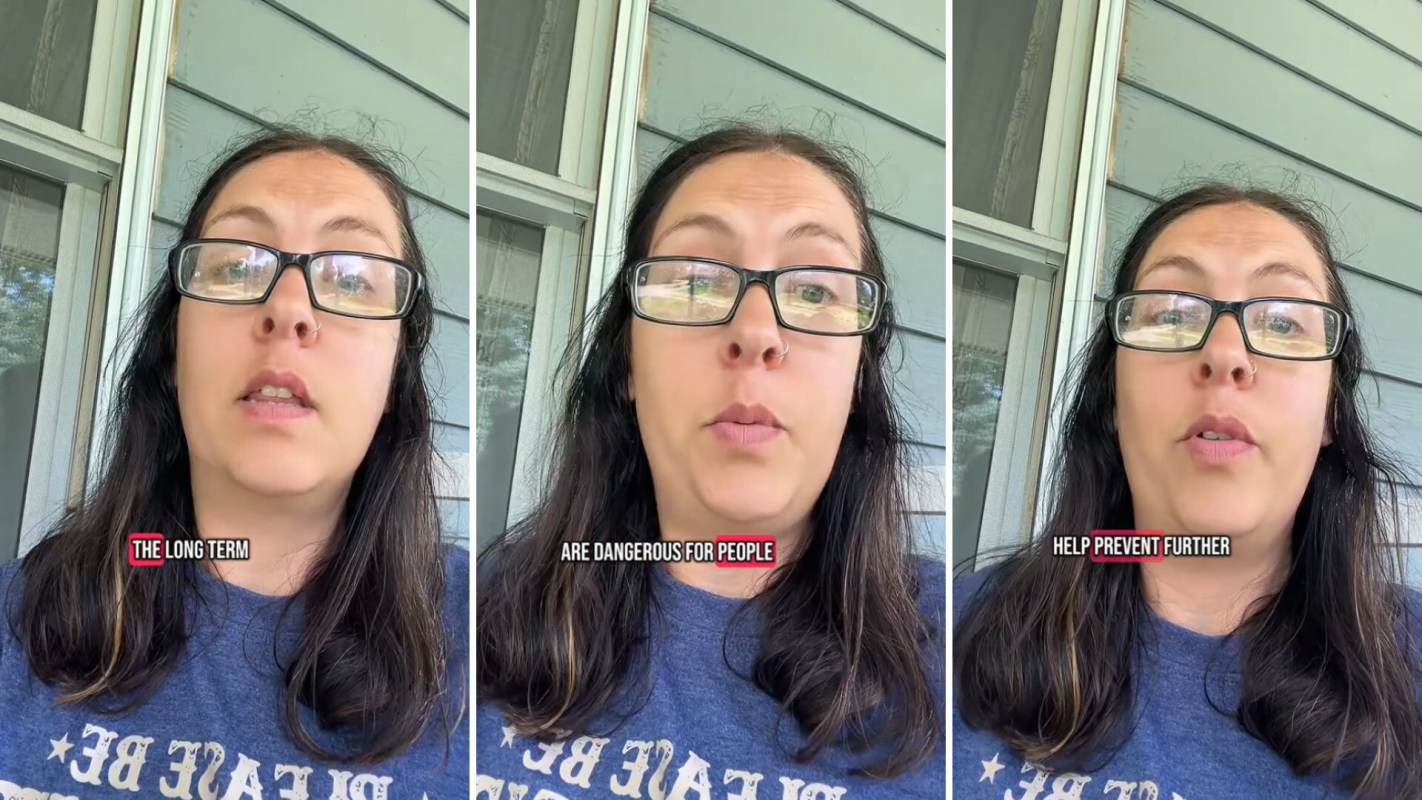
A TikTok video by creator Bri Kay (@tumbleweedvibes) is clearing things up, while breaking down how the long-term warming of our planet is already showing up in our daily lives.
"Let's talk about climate change, and how it's already affecting you, and what is likely to still come," she says in the video.
@tumbleweedvibes Replying to @DobieDaddy climate change is real. It has an impact on everyone and will continue to get worse if we don't do something #minnesotacheck ♬ original sound - Bri Kay
"Some people confuse climate and weather," Kay explains. "Weather is the day-to-day impact, whereas climate is the long-term averages of what is going on."
That distinction matters. Weather describes what's happening outside your window today, whether that be a heatwave, a thunderstorm, or a cold front. Climate, on the other hand, describes patterns over decades.
And those long-term patterns have shifted dramatically.
TCD Picks » Quince Spotlight
💡These best-sellers from Quince deliver affordable, sustainable luxury for all




According to Climate Central, the contiguous U.S. is about 2.8 degrees Fahrenheit warmer today than in 1970. That small-sounding number translates into real-world consequences: more intense heat waves, longer wildfire seasons, and stronger storms.
As the TikToker points out, "When summers get hotter, that usually means your electricity bills have a tendency to run higher … and it is becoming warmer longer."
Those effects add up, especially for older adults, children, and people with health conditions who are more vulnerable to heat.
Scientists agree that this warming isn't random. It's driven by air pollution, mostly caused by humans' reliance on dirty energy sources like gas, oil, and coal. Burning these fuels releases heat-trapping gases that form a sort of invisible blanket around Earth.
|
How often do you feel hopeful about the future of the planet when you read news stories or watch entertainment content? Click your choice to see results and speak your mind. |
 Often 😇
 That blanket prevents enough of the sun's warmth from escaping into space, which makes the planet, and our oceans, hotter. In fact, about 90% of that extra heat is absorbed by the ocean, fueling stronger hurricanes and flooding.
Despite a clear scientific consensus, climate misinformation still circulates widely. Energy secretary Chris Wright recently falsely claimed the link between rising global temperatures and extreme weather is "nonsense."
But reports from credible organizations like the United Nations confirm that the frequency and severity of weather disasters are increasing as our planet overheats.
The good news? There's still time to slow things down. Transitioning to cleaner, more affordable energy sources like solar and wind can drastically cut air pollution and keep global temperatures in check.
The best thing you can do on an individual level is to stay informed and educated about the critical climate issues our planet is experiencing.

Join our free newsletter for weekly updates on the latest innovations improving our lives and shaping our future, and don't miss this cool list of easy ways to help yourself while helping the planet.






