


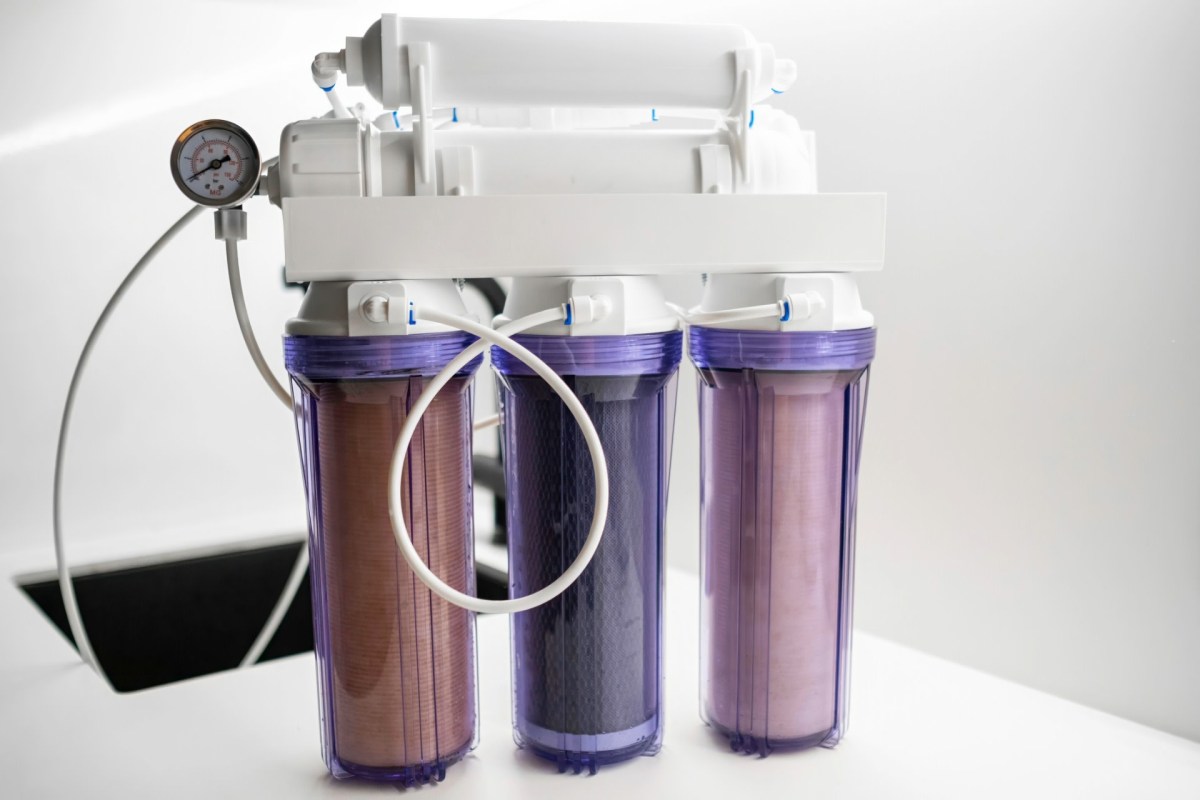
Scientists have uncovered a huge oversight in water desalination technology: The membranes used to purify seawater behave differently when wet versus dry, with water causing them to swell by at least 30%, Technion — Israel Institute of Technology reported.
Researchers have historically studied these membranes only when they're dry, missing how they perform during real-world desalination. The discovery could lead to better designs that produce clean drinking water more efficiently.
About 1 in 4 people worldwide don't have clean water to drink, according to the World Health Organization. This makes desalination technology increasingly important for regions experiencing water scarcity.
Researchers from Technion and the University of Texas at Austin made the discovery using advanced imaging technology. They used cryogenic electron microscopy to examine membranes in their hydrated and chilled state, capturing their actual working conditions for the first time.
The team found that water changes the membrane's internal architecture. These barriers, roughly 200 nanometers in thickness, expand and reorganize when they're hydrated. This structural change affects how well they filter salt from seawater.
For communities facing water shortages, improved membranes could mean more affordable access to clean water. Better membrane performance equals less energy needed for operations, potentially lowering costs for desalination plants and the communities they serve.
The technology also benefits ecosystems struggling with drought. Reliable freshwater production reduces pressure on natural water sources, which helps rivers and wetlands maintain healthier flows for wildlife.
The research team used tomography techniques to create detailed spatial maps of hydrated membranes. This approach captured structural details impossible to see with conventional microscopy methods.
While the researchers didn't specify when improved membranes might reach commercial facilities, their findings provide the blueprint for next-generation designs. Water treatment companies can apply these insights to develop membranes that perform better while using less energy.
The advancement is a huge step toward equitable water access for all. As populations grow and climate patterns change, technologies that turn seawater into drinking water become increasingly important for global water security.
TCD Picks » Quince Spotlight
💡These best-sellers from Quince deliver affordable, sustainable luxury for all




|
How often do you worry about the quality of your drinking water? Click your choice to see results and speak your mind. |
 Never 👎
Join our free newsletter for weekly updates on the latest innovations improving our lives and shaping our future, and don't miss this cool list of easy ways to help yourself while helping the planet.
Cool Picks





