


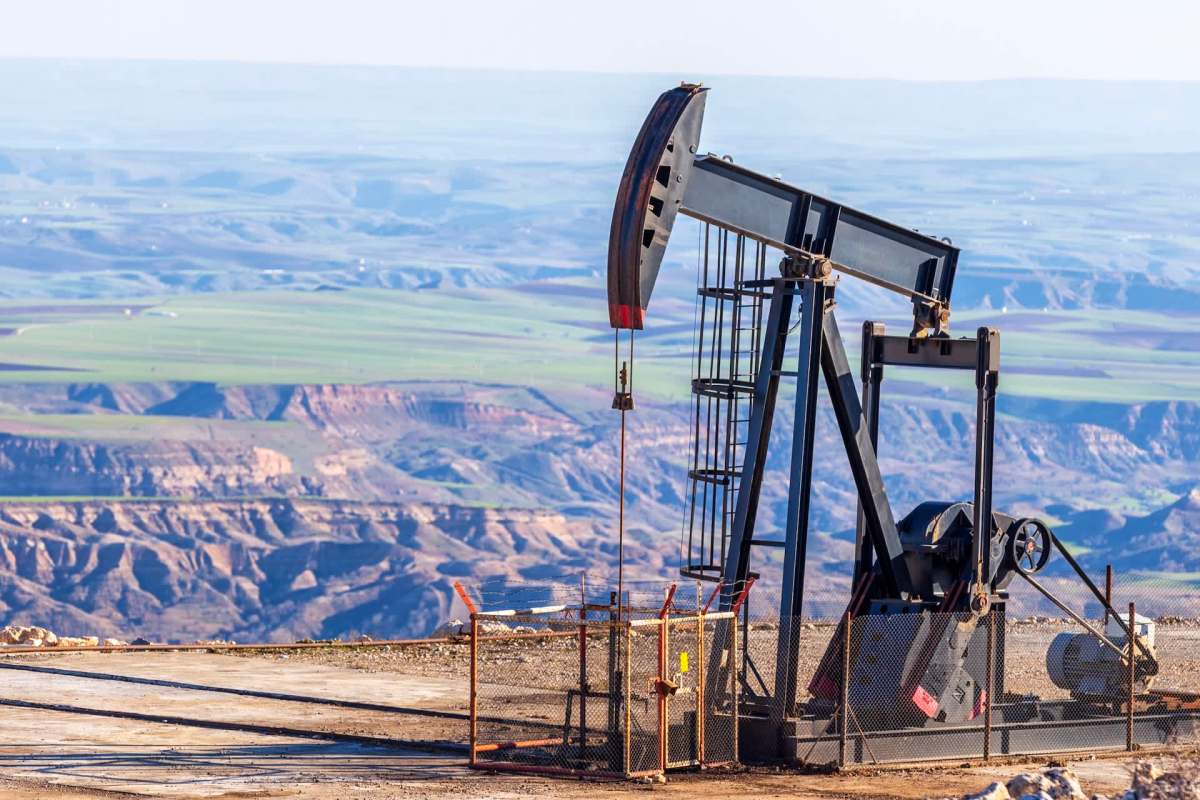
Under a Trump administration proposal, methane oversight would be eased for hundreds of thousands of low-producing oil and gas wells that generate a large share of the industry's climate pollution.
Here's what to know
The Environmental Protection Agency wants to scale back rules requiring leak checks and upgraded equipment for more than 700,000 low-producing "stripper wells," according to ProPublica. Although they supply only 6% of U.S. oil and natural gas, these older wells are linked to roughly half of the industry's methane emissions.
The EPA argues that keeping the current standards in place could push the very lowest-producing wells out of operation, calling that result "unreasonable" even though the agency cites an industry estimate showing national oil and gas output would decline only 0.4%.
Companies would save an estimated $42 billion by 2050 under the plan, which would also relax methane safeguards beyond stripper wells.
Environmental advocates told ProPublica that the tradeoff would be far more pollution for very little additional energy production. Darin Schroeder of the Clean Air Task Force said, "This is not about energy dominance. It's about padding the pockets of oil and gas operators and saddling society with the costs."
More background
Methane is the main component of natural gas and is far more potent than carbon dioxide at trapping heat in the short term. The United Nations Environment Programme has said methane is responsible for about one-third of the global temperature rise since the Industrial Revolution. Because it breaks down in roughly a dozen years, cutting it is one of the few known ways to counteract globally rising temperatures.
TCD Picks » Quince Spotlight
💡These best-sellers from Quince deliver affordable, sustainable luxury for all




The rollback would also undo a major part of former President Joe Biden's climate agenda. The previous EPA rules, finalized in 2024, were projected to reduce methane pollution from the oil industry by 80%. Biden's EPA valued those rules at more than $7 billion per year in combined climate, health, and energy benefits, even after compliance costs.
Petitions from groups including the Independent Petroleum Association of America and the National Stripper Well Association helped spur the EPA's move to deregulate stripper wells, ProPublica reported. The shift could also benefit billionaire donor Jeffery Hildebrand, founder and owner of Hilcorp. No coincidence, Aaron Szabo, a former Hilcorp lobbyist, now serves in a top EPA role overseeing efforts to roll back the methane rules.
What's being done?
The draft proposal would eliminate an EPA program meant to track "super-emitter" events — huge methane releases long associated with the oil industry — and require companies to respond to them. The American Exploration and Production Council and the Independent Petroleum Association of America have also called for an end to the program.
Even the industry has acknowledged that reducing methane is achievable. Anne Bradbury, CEO of the American Exploration and Production Council, told ProPublica that the group's members were "committed to building on a legacy of world-leading methane emission reductions."
Where can I learn more?
The articles below get at the same questions raised by the EPA proposal, asking how oil and gas pollution is regulated, what happens when oversight slips, and who ends up paying the price. They also show that methane leaks, abandoned wells, and related health harms are already affecting communities far from Washington.
• In Colorado, a critical milestone is forcing oil and gas companies to confront methane emissions.
• Weak state rules let drillers exploit a bankruptcy loophole and leave polluted wells behind.
• Oil and gas pollution is already driving premature deaths and asthma in communities facing climate stress.
Methane rules for low-producing wells matter far beyond company balance sheets. The consequences show up in the air people breathe, in public health, and in how much avoidable warming communities are left to absorb.

Get TCD's free newsletters for easy tips, smart advice, and a chance to earn $5,000 toward home upgrades. To see more stories like this one, change your Google preferences here.






