


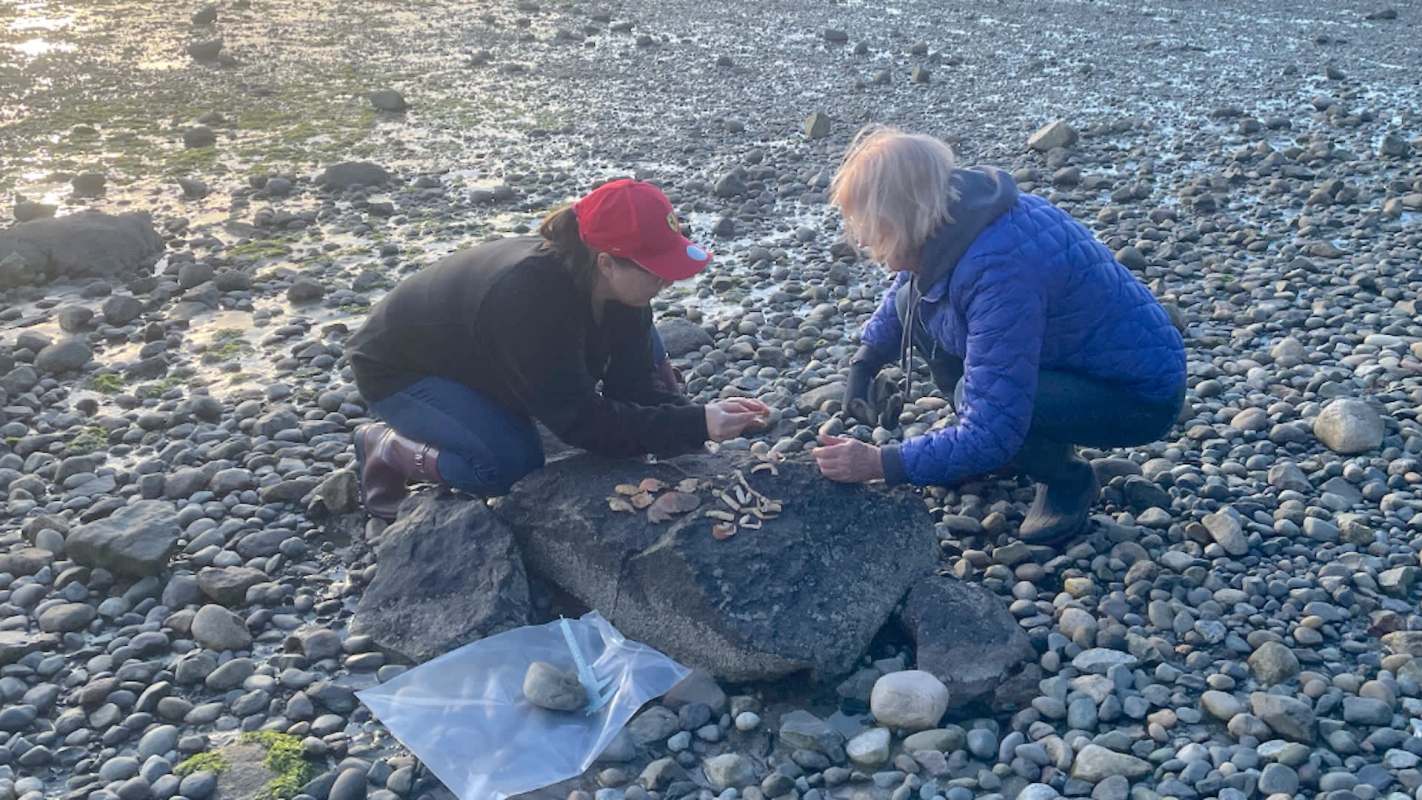
What began as a school exercise has resulted in a significant finding after a seventh-grader found a European green crab shell.
This became Orcas Island's first recorded sign of the invasive crab and set off a wider response from Washington wildlife agencies.
Here's what to know
According to The Daily of the University of Washington, Amy Sprenger, the teacher and a Washington Sea Grant Crab Team volunteer, flagged the unusual find to the Crab Team and used it to teach students how to recognize a European green crab molt.
The seventh grade class was in the field for a marine science activity meant to mimic an early-warning search for invasive crab molts when Paxton Erwin came across one that turned the drill into the real thing: The shell belonged to a species regarded as among the most destructive invaders in the world.
After that report, Washington Fish and Wildlife officials expanded the search with additional trapping on Orcas Island. In all, they set 208 traps and caught one male European green crab.
But researchers concluded that the captured crab was different from the animal associated with the students' molt because its size and location did not match. Together, the two finds suggested a wider problem along the island's shoreline.
TCD Picks » Quince Spotlight
💡These best-sellers from Quince deliver affordable, sustainable luxury for all




More background
In Washington, European green crabs carry the state's prohibited Level 1 invasive designation. They dig into marshes, damage eelgrass beds, feed on young native crabs, and eat shellfish, putting sensitive coastal ecosystems under strain.
Those nearshore areas support species crucial to local communities, including native salmon and migratory shorebirds. When that habitat is degraded, the effects can spread through food webs, fisheries, and the region's broader environmental health.
The state has been trying to control European green crabs. Puget Sound's first confirmed European green crab was found in Westcott Bay in 2016, and the population has continued to grow despite removal efforts.
What's being done?
Removing European green crabs still relies mostly on baited traps, a method that takes substantial time and labor.
To support that work, Washington Sea Grant's Crab Team partnered with residents, supplying training and equipment so the community could help scientists and agencies.
Protecting shorelines is also about the coastal places where people learn, work, and rely on them for recreation and local economies.

Get TCD's free newsletters for easy tips, smart advice, and a chance to earn $5,000 toward home upgrades. To see more stories like this one, change your Google preferences here.






