


El Niño has returned, and scientists say the consequences may go well beyond unusual weather on land. As one climate research scientist warned, oceans are already near record warmth, and damaging marine heat could spread across nearly half of the planet's ocean area before 2026 ends.
What happened?
Dillon Amaya reported for The Conversation that climate forecasts give late fall about a two-in-three chance of featuring a strong or very strong El Niño, a development that could alter weather patterns, ocean conditions, and marine ecosystems around the world.
Amaya, of the National Oceanic and Atmospheric Administration, explained that El Niño is marked by monthslong warming in a 6,000-mile stretch of ocean off the coast of Ecuador, which usually rises about 2 to 4 degrees Fahrenheit above normal.
Amaya noted that though this figure may seem modest, the warming is enough to shift winds and influence rainfall and temperatures worldwide.
El Niño increases the chances of marine heat waves, and those events can last a short time or persist for months or even years.
"In the climate system, El Niño is king. When it dons its fiery crown, the entire planet takes notice, and the oceans are no exception," Amaya wrote.
TCD Picks » Quince Spotlight
💡These best-sellers from Quince deliver affordable, sustainable luxury for all




Off the U.S. West Coast, El Niño can weaken winds, reduce evaporation, and limit the rise of cold deep water, which allows coastal waters to warm.
According to Amaya, El Niño can also cause intense periods of ocean heat known as marine heat waves. These waves can remain small or grow to "gargantuan proportions."
"Warm water might not seem like a big deal, especially to surfers hoping to leave their wetsuits at home. But for many marine organisms that are highly adapted to specific water temperatures, marine heat waves can make living in the ocean feel like running a marathon," Amaya wrote.
He added, "The latest forecast predicts several marine heat waves developing as El Niño ramps up, with damaging heat reaching close to half the global ocean by the end of 2026."
Why does it matter?
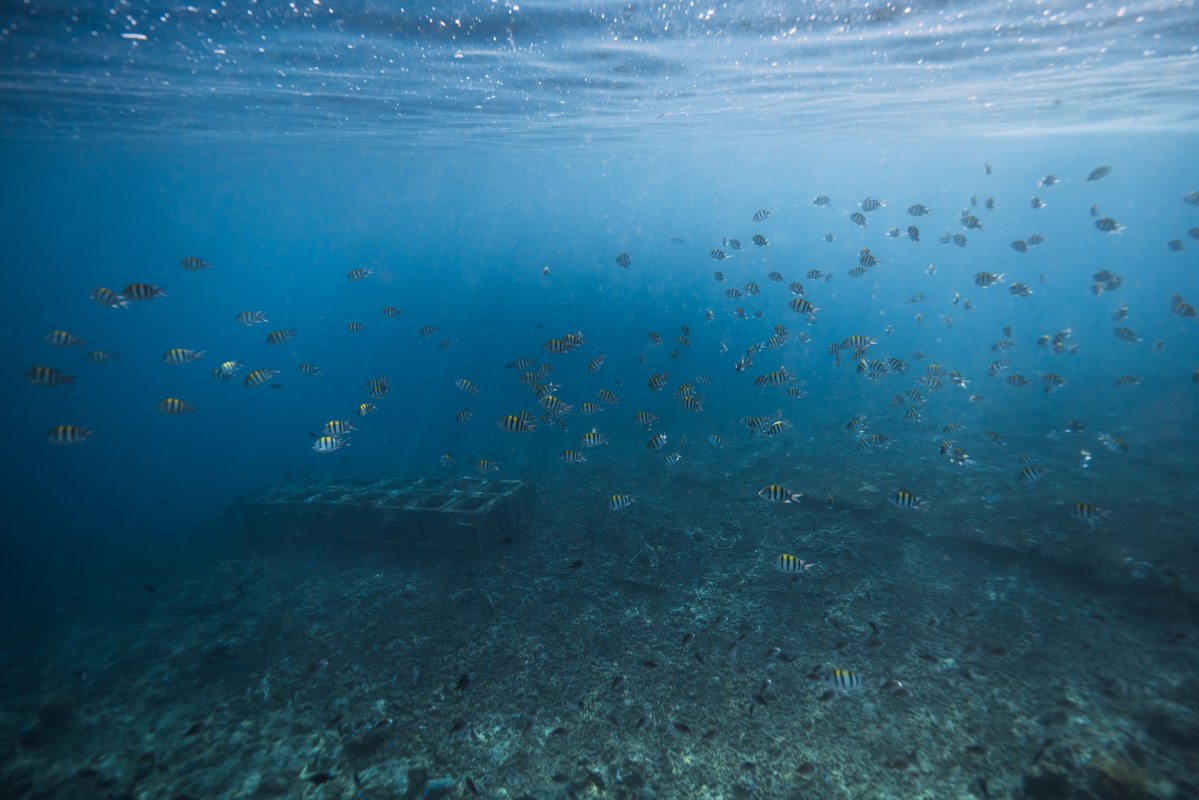
Ocean species such as fish, corals, seagrasses, and others are often used to narrow temperature ranges, so extended periods of unusual warmth can be highly damaging.
For some fish, warm water drives energy use so high that they cannot replace it fast enough. Long stretches of heat can also bleach coral, fuel large algal blooms, wipe out seaweed, and lead to marine mammal strandings.
People can also be directly affected when persistent ocean heat disrupts fisheries. Amaya pointed to a 70% decline in Gulf of Alaska Pacific cod during a marine heat wave and noted that Bering Sea snow crab landings were 84% lower in 2018 after warming reached the seafloor.
The danger is not confined to surface waters. "Bottom marine heat waves" can sometimes be stronger and last longer than surface events, increasing stress on animals living near the seafloor.
Forecasts show especially high chances of severe marine heat along the coasts of California and Mexico, with elevated risk also reaching the Indian Ocean and Southern Ocean.
"It's time to start preparing," Amaya wrote.

Get TCD's free newsletters for easy tips, smart advice, and a chance to earn $5,000 toward home upgrades. To see more stories like this one, change your Google preferences here.






