


The competition for the future of the robotaxi market is about to get even more crowded.
Waabi, a Canadian autonomous-vehicle maker that to date has focused primarily on semitrucks, has raised $1 billion to bring its AV platform to robotaxis, Bloomberg reported.
"What makes us very, very unique is the fact that we have next-generation technology," Raquel Urtasun, Waabi's CEO and founder, told Bloomberg. "A physical AI platform that for the first time in the industry is going to be able to drive both form factors: robotaxis as well as driving trucks."
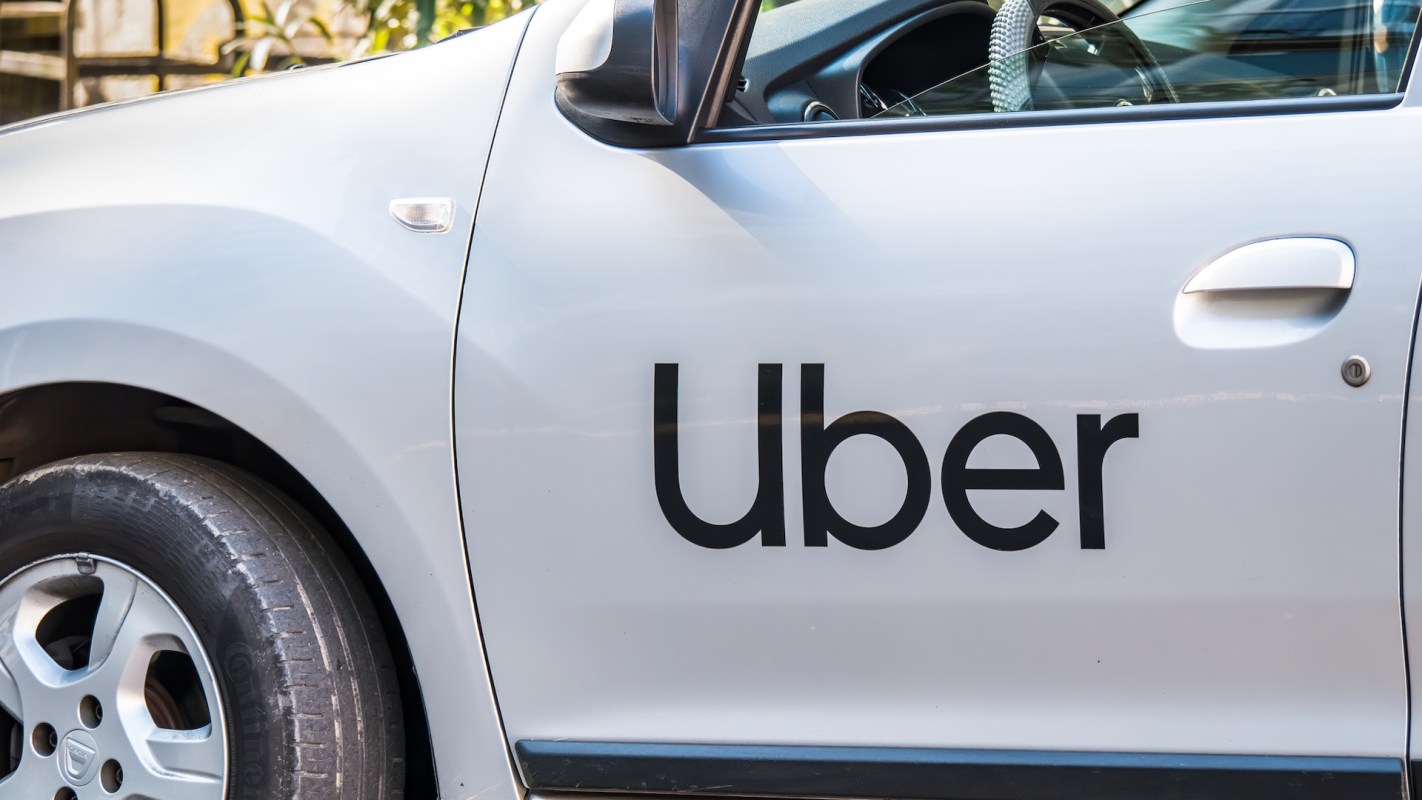
Waabi has been backed by rideshare giant Uber, giving it access to the ride-for-hire industry. Other investors include artificial intelligence chipmaker Nvidia and the automaker Volvo, per Bloomberg.
"We're going to enter robotaxi really, really quickly," Urtasun added. "It's great to see that this next-generation technology enables you to go so much faster, so much more capital-efficient."
The move has been yet another example of how AI technology can disrupt a variety of industries.
Critics, however, have argued that the AI revolution poses a number of risks as well. These risks range from large-scale job losses to skyrocketing energy prices to increased air pollution.
For example, the popular image-sharing site Pinterest disclosed in January that as many as 700 jobs could be cut, at least in part due to its wider embrace of AI technology.
Last year, Bloomberg reported that everyday customers living near energy-hungry data centers have seen their monthly electricity bills leap by as much as 267% over the last five years. That is because utility companies have largely failed to match the increased demand from data centers with a similar increase in the electricity supply.
Additionally, a large data center can use as much as 5 million gallons of water every single day, mostly as coolant, according to the Environmental and Energy Study Institute. That is the same amount of water used by a town with 10,000 to 50,000 people.
TCD Picks » Quince Spotlight
💡These best-sellers from Quince deliver affordable, sustainable luxury for all




While AI has the potential to help modernize and optimize aging electrical grids and usher in many other improvements, those advantages must be weighed against the technology's downsides.
|
What's the most you'd pay per month to put solar panels on your roof if there was no down payment?
Click your choice to see results and speak your mind. |
 $200 or more 💰
Get TCD's free newsletters for easy tips to save more, waste less, and make smarter choices — and earn up to $5,000 toward clean upgrades in TCD's exclusive Rewards Club.
Cool Picks





