


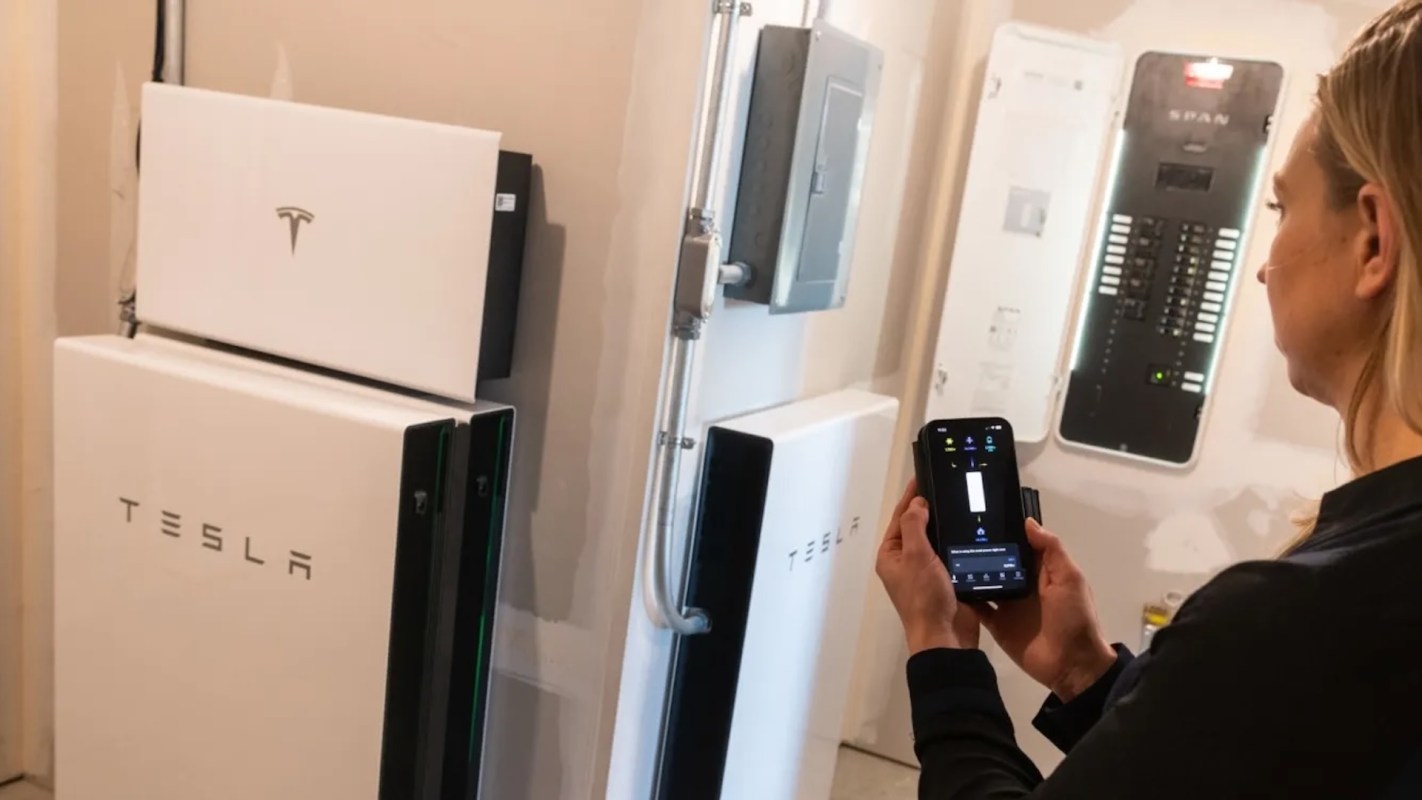
As a July heat wave pushed air-conditioner use higher across Vermont, Green Mountain Power said the state's biggest power resource was not a conventional plant but a virtual power plant made up of home batteries, EV chargers, hydro plants, and larger storage systems that worked together to avoid an estimated $6 million in peak electricity costs.
What's happening?
According to Electrek, Green Mountain Power pulled 90 megawatts from its virtual power plant during Vermont's early July heat wave.
That was roughly the equivalent of removing 50,000 homes from the grid at the moment of highest demand.
When many customers need electricity at once, wholesale prices rise. Using stored power during those expensive periods, rather than buying it on the market, reduced costs that otherwise would have been passed along to all customers, including people who do not own or lease batteries.
Those heat-wave savings came to $6 million, adding to the $11 million its virtual power plant saved customers last year.
The network has grown to 110 megawatts of capacity, making it Vermont's largest single power resource.
TCD Picks » Quince Spotlight
💡These best-sellers from Quince deliver affordable, sustainable luxury for all




Residential battery systems provide 53 of those megawatts, which is more than half of the total.
More than 5,000 customers have enrolled more than 10,000 batteries, and the system also draws support from utility-scale batteries, commercial buildings, EV chargers, and hydroelectric facilities.
Why does it matter?
During extreme weather, the grid can lean on electricity that has already been stored near where people live instead of relying only on costly power purchases.
That can reduce strain on the system during dangerous heat, when blackouts and price spikes are more likely.
It also means participating households still have backup electricity for outages, something that can be especially useful during storms or other high-demand events.
The batteries in its virtual power plant can cover nearly 10% of Vermont's summer peak demand. That gives the state the highest storage-to-peak ratio in New England.
Flexible capacity on that scale can also lessen the need to use older, dirtier peaker plants that are typically reserved for demand spikes.
Growth in the virtual power plant has already allowed peaker plants in Vergennes and Rutland to be permanently shut down. Using those facilities less can lower costs and improve air quality for nearby communities.
What's being done?
GMP has grown the program in part by making batteries easier for customers to get.
The utility was the first in the US to offer a state-approved, tariff-based lease for home batteries, giving households a way to get backup power without covering the full upfront cost.
Customers can lease two Powerwall batteries for $55 a month or pay $5,500 upfront for a 10-year lease. In return, GMP can use part of that stored electricity during demand spikes, while participants still keep some backup power available for outages.
People who would rather buy a compatible battery themselves can join GMP's Bring Your Own Device program. Those customers can get an upfront incentive while helping turn thousands of separate home systems into one coordinated grid resource.
For Green Mountain Power customer Pollyanna Bladyka, the appeal is both practical and personal.
"It is reassuring and keeps us comfortable at home, and we also love how the program is reducing power costs for all GMP customers, too," she said.

Get TCD's free newsletters for easy tips, smart advice, and a chance to earn $5,000 toward home upgrades. To see more stories like this one, change your Google preferences here.






