


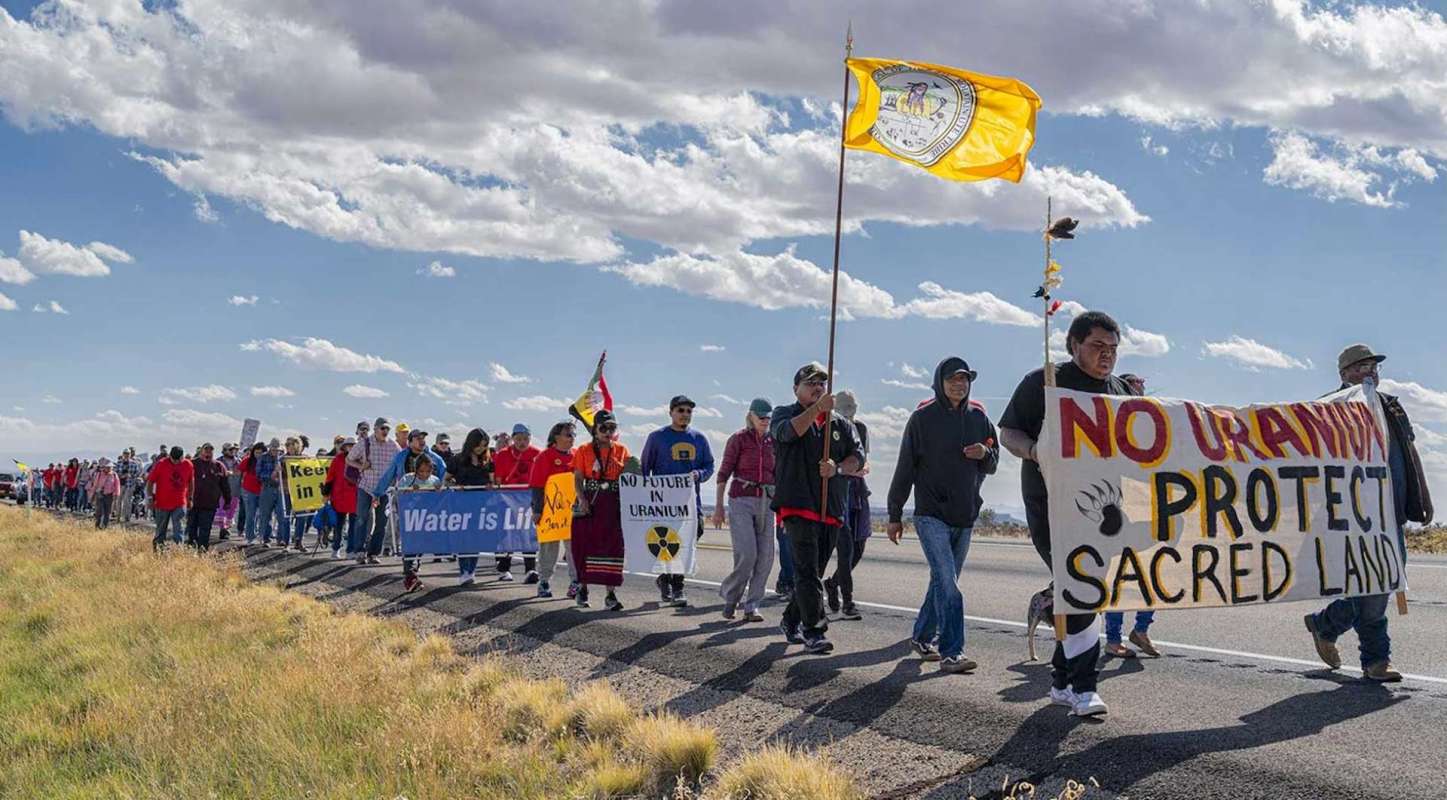
As the U.S. pushes to revive domestic uranium production, decade-long concerns on radioactive contamination have resurfaced with new urgency as projected waste zones for the last remaining conventional uranium mill edge even closer to Utah's White Mesa Ute Community.
Here's what to know
A proposal tied to Utah's White Mesa Mill states that future disposal pits could be moved about a quarter-mile closer to the nearby Ute Mountain Ute community. According to St. George News, the mill near White Mesa is seeking additional room for radioactive waste storage as growing interest in nuclear power boosts uranium production. The site already stores waste in five tailings cells spanning 284 acres.
Concerns about radionuclides have been tied to the mill since the late 2000s, with uranium ore hauled in from across the Southwest via U.S. Highway 191. The mill also accepts radioactive waste sent from much farther away, including Estonia, causing White Mesa residents to speculate about the quality of local air and water.
The broader debate over nuclear power is complicated to say the least. Nuclear energy can produce large amounts of electricity with relatively low air pollution and fewer planet-warming emissions than fossil fuels, but those benefits come with difficult questions about waste, safety, and where industrial risks end up.
More background
At the heart of the issue is waste storage: what exactly is moving through town and how, and whether water and land will remain safe over time.
White Mesa is about five miles south of the mill, and Entrance Spring — a natural water seep and spring located just across the highway from the White Mesa Mill — still serves as a reminder of past contamination concerns. That sense of risk can shape everyday life and weaken trust in regulators.
TCD Picks » Quince Spotlight
💡These best-sellers from Quince deliver affordable, sustainable luxury for all




If officials and industry keep pressing for more domestic energy development, uranium mining and milling may expand with it. Supporters argue that would strengthen energy security while helping supply nuclear power without the smokestack pollution linked to coal and gas.
Critics, however, argue the immediate costs are shouldered by communities closest to mines, mills, and waste sites. For White Mesa, that translates into truck traffic, tailings cells, and lingering uncertainty over how long radioactive material will stay there and, most importantly, how it will affect their overall health and well-being.
What's being done?
Community members and advocacy groups are still bringing the issue into public view. Yolanda Badback of the White Mesa Concerned Community spoke at a rally in Moab, and she and Sarah Fields of Uranium Watch have worked together to provide the public with information about the mill.
What happens next at White Mesa will likely set the precedent for future mills as they navigate how to balance the promise of nuclear power with the rights and safety of the communities living closest to its waste.

Get TCD's free newsletters for easy tips, smart advice, and a chance to earn $5,000 toward home upgrades. To see more stories like this one, change your Google preferences here.






