


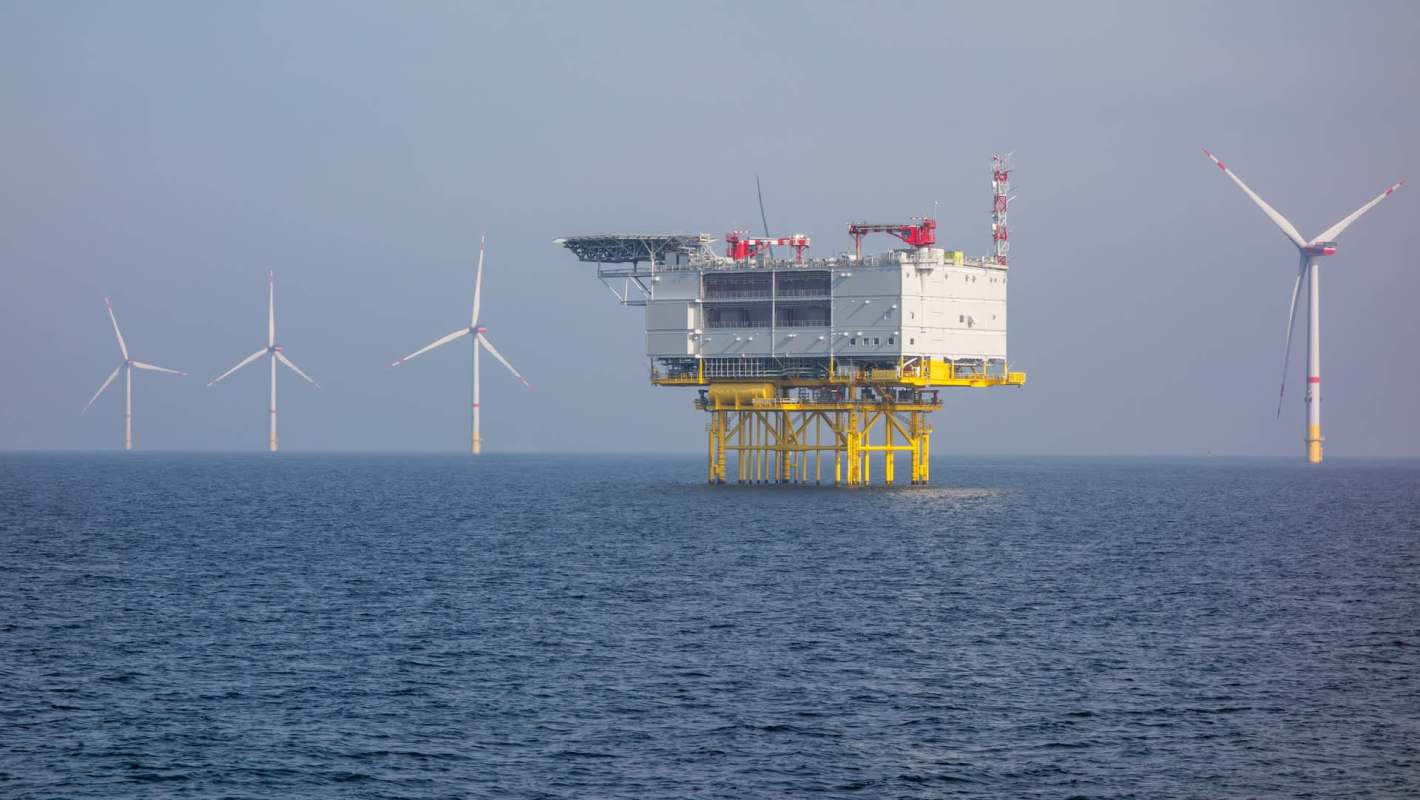
China is drawing attention for an impressive clean-tech milestone, with an underwater data center powered by an offshore wind farm now operating off the coast of Shanghai.
The project sits 10 meters beneath the sea near Shanghai's Lingang Special Area, a hub for technological innovation, and it could point to a lower-cost, lower-impact way to power the digital services people rely on every day.
What happened?
Offshorewind.biz cited information from the China Global Television Network, which said the underwater data center formally launched in June 2025 after a cooperation agreement was signed by local investment groups and officials.
Construction was completed in October 2025 and cost roughly $228 million, and it has a total capacity of 24 megawatts.
The underwater data center modules sit next to an offshore wind farm and utilize electricity from the turbines while using the surrounding seawater for cooling.
According to the project's developers, the underwater system reduces overall electricity use by 22.8%, eliminates water use, and reduces the amount of land necessary for data centers by 90%.
TCD Picks » Quince Spotlight
💡These best-sellers from Quince deliver affordable, sustainable luxury for all




Why does it matter?
Data centers support everything from cloud storage and video streaming to AI tools, but they also consume large amounts of energy, land, and water. This project is designed to reduce that footprint in several ways at once.
The implications reach beyond the tech sector. More efficient data centers can help reduce strain on electric grids and freshwater supplies while continuing to support digital services.
If data infrastructure can run with less waste, that could help cut costs for companies and reduce pollution that affects public health. The computing technology in the underwater modules is intended for several uses, from big-data annotation to developing domestic large language models, suggesting that cleaner infrastructure could help support the next generation of online tools.
Chinese government officials said the project offers "a demonstration for the green and low-carbon development of computing infrastructure."

Get TCD's free newsletters for easy tips, smart advice, and a chance to earn $5,000 toward home upgrades. To see more stories like this one, change your Google preferences here.






