


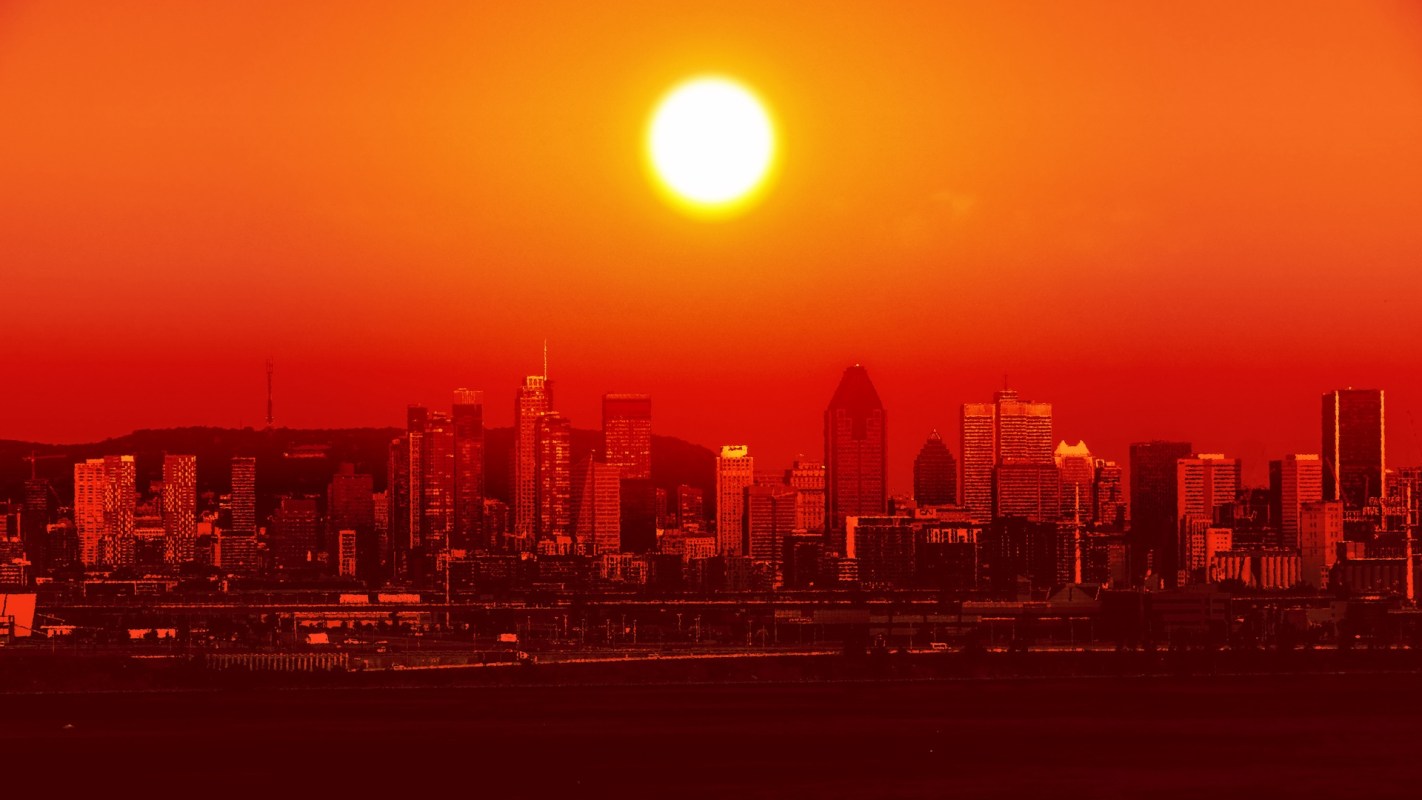
The planet is on track to blow past one of the world's most important climate guardrails again and again over the next five years, according to a new United Nations forecast — and scientists say that could mean even more dangerous heat, drought, flooding, and wildfire risk lies ahead.
The World Meteorological Organization and the United Kingdom's Meteorological Office project, as reported by the Associated Press, that there is a 75% likelihood the 2026 to 2030 average global temperature will top 2.7 degrees Fahrenheit above preindustrial levels. The 2.7-degree mark is the threshold countries agreed to aim for under the Paris climate agreement.
The report also says, in figures cited by the Associated Press, that there is a 91% chance at least one of the next five years will go beyond that level, along with an 86% chance that one of those years will surpass 2024 as the hottest year ever recorded. Each year through 2030 is expected to fall somewhere in the 2.3 to 3.4 degrees Fahrenheit range above late-1800s temperatures.
Researchers pointed to a likely strong El Niño pattern as one reason temperatures may keep surging. Report co-author Melissa Seabrook said 2027 could be the year that breaks the current global heat record.
Beyond the global average, the report flags especially severe warming in the Arctic, where temperatures are expected to rise far faster than in the rest of the world. It also warns of hotter, drier conditions in the Amazon and heavier rainfall in Africa's Sahel region.
Scientists have long warned that every fraction of a degree matters. Crossing 2.7 degrees doesn't mean the planet suddenly falls off a cliff, but it does increase the odds of harsher and more frequent disasters. Coral reefs, glaciers, and other sensitive ecosystems are especially vulnerable.
TCD Picks » Quince Spotlight
💡These best-sellers from Quince deliver affordable, sustainable luxury for all




More intense extreme weather can threaten public health through dangerous heat, wildfire smoke, and disease risks. It can also undermine community safety through floods, fires, and storms, and weaken economic stability by damaging homes, roads, crops, and power systems. The result can be higher food prices, insurance strain, disrupted jobs, and costly rebuilding.
The U.N. report also warned that the Amazon is becoming hotter and drier, raising wildfire risk in one of Earth's most important carbon-storing regions. In the Arctic, reduced snow and sea ice mean less sunlight is reflected back into space, which speeds up warming even more.
As Imperial College of London climate scientist Friederike Otto put it, temperatures this high could bring weather so extreme that it exceeds "anything our city planning, agriculture etc. has anticipated."
U.N. officials say current efforts to slow climate change still aren't moving fast enough. They say cutting pollution from coal, oil, and gas remains essential if the world wants to reduce future warming and limit the damage from increasingly severe weather.
"This will mean many people will lose their lives, we are in for a lot of food price shocks, and more intense wildfires," Otto said.

Get TCD's free newsletters for easy tips, smart advice, and a chance to earn $5,000 toward home upgrades. To see more stories like this one, change your Google preferences here.






