


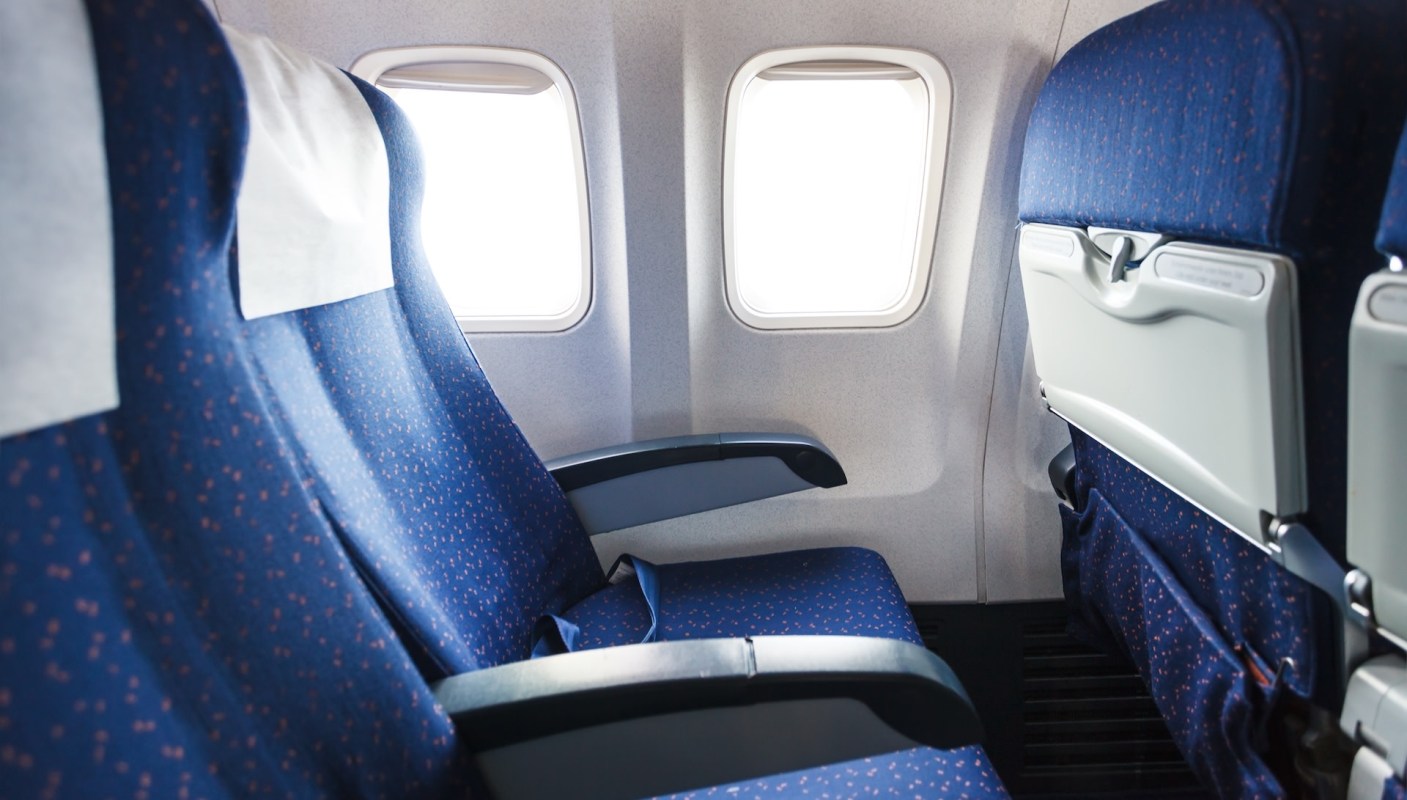
Airline passengers breathe in dramatically elevated levels of tiny pollution particles during flights, with the highest concentrations occurring while planes sit on the ground.
What's happening?
French researchers tracked air quality on 16 European commercial flights departing from Paris Charles de Gaulle Airport.
Scientists placed monitoring devices in aircraft cabins to measure ultrafine particles and black carbon from the moment passengers boarded until they left the plane.
The study, published in the journal Environment International, found average ultrafine particle concentrations of 9,122 particles per cubic centimeter and black carbon levels of 207 nanograms per cubic meter across entire flights. Pollution spiked during the boarding and taxiing phases.
Levels peaked during boarding and taxiing at over twice as much as the World Health Organization defines as high, then decreased after takeoff before rising again during descent and landing.
Why is this study important?
Ultrafine particles pose serious health risks despite being invisible and often missed by conventional monitoring techniques.
As The Guardian observed, the WHO highlighted growing evidence in 2021 that these particles damage health through 75 studies linking exposure to lung inflammation, blood pressure problems, heart issues, and risks to fetal growth.
Meanwhile, a Dutch study of nearly 11 million people found that exposure to ultrafine particles over several years was connected to early deaths, including from lung cancer.
Air passenger numbers exceeded five billion globally this year for the first time, per The Guardian. Monitoring near Paris Charles de Gaulle Airport detected ultrafine particles at distances exceeding five kilometers (over three miles) from the facility, exposing residents in neighboring areas to pollution levels similar to standing beside heavily trafficked highways.
What's being done about ultrafine particle pollution?
Modern airplane ventilation systems cycle cabin air more than 20 times per hour, mixing outside air with filtered recirculated air. The study confirmed that in-flight air quality at cruise altitude registers as cleaner than many other indoor environments.
TCD Picks » Quince Spotlight
💡These best-sellers from Quince deliver affordable, sustainable luxury for all




|
What's the most you'd pay per month to put solar panels on your roof if there was no down payment?
Click your choice to see results and speak your mind. |
 $200 or more 💰
 Research into ultrafine particles and their movement through the human body are also continuing to advance, helping scientists develop better strategies to protect human health.
Airlines are also working on new solutions to pollution-related problems — one major carrier partnered with scientists to monitor gas pollution during flights, gathering data to better understand and address the problem in the future.
Meanwhile, choosing low-impact travel options, such as train travel, electric vehicles, or riding an electric bike, can reduce exposure to harmful particles and provide a less polluting alternative to air travel.

Get TCD's free newsletters for easy tips to save more, waste less, and make smarter choices — and earn up to $5,000 toward clean upgrades in TCD's exclusive Rewards Club.
Cool Picks





