


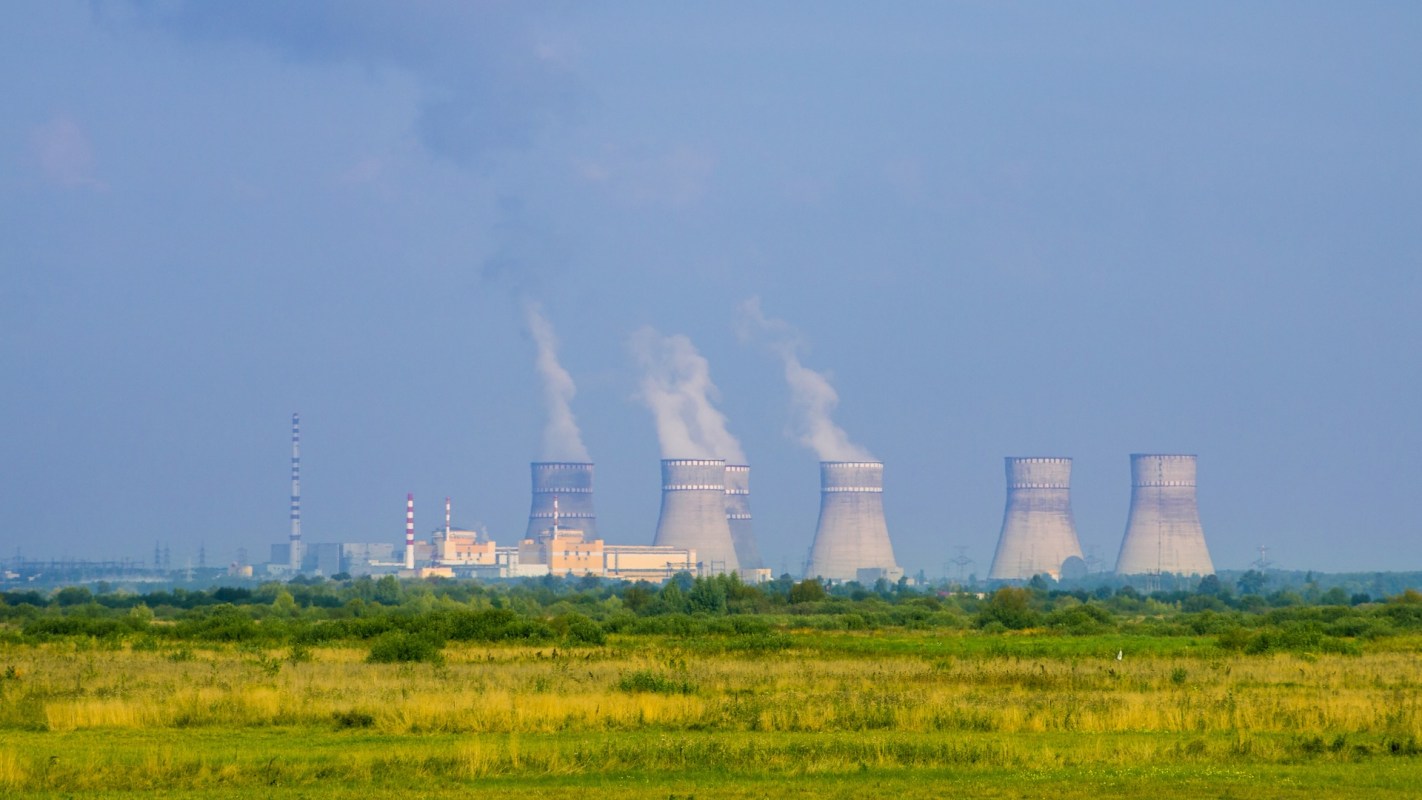
Despite record temperatures on Aug. 6, Ukraine avoided the blackouts and electricity shortages many people had feared.
For a country still trying to keep an energy system under strain from war and extreme weather functioning, that was a significant outcome, as The New Voice of Ukraine detailed.
What's happening?
In comments carried by Interfax-Ukraine and cited by NV, former Energy Minister Olha Buslavets said that Ukraine got through the heat wave without electricity shortages because several backup steps lined up at the right time.
Among the biggest reasons, she said, was the presence of two to three reserve thermal power units. As NV noted, those units were effectively unable to export electricity because of the European Union's Carbon Border Adjustment Mechanism, or CBAM, so that extra generating capacity stayed inside Ukraine during the hottest period.
She also told Interfax that Energoatom postponed scheduled maintenance on another nuclear unit. The unit continued operating at reduced capacity while repairs on a different unit were being completed, helping support supply during peak demand.
"This was the right decision: the repair schedule was optimized so there would be enough fuel to extend the unit's operation, allowing time for the compensating capacity of the other unit to come back online," Buslavets said to the outlet, per NV.
TCD Picks » Quince Spotlight
💡These best-sellers from Quince deliver affordable, sustainable luxury for all




Demand was lower, too. Buslavets told Interfax that electricity consumption on Ukraine's unified grid fell 6% in the first half of 2026 compared with the same period in 2025, while industrial use dropped 13%, even as many Ukrainian cities recorded extreme highs on Aug. 6.
Why does it matter?
For ordinary people, avoiding blackouts during extreme heat can be as much a health and safety issue as an economic one. Reliable electricity keeps fans, air conditioning, refrigeration, medical devices, communications, and water systems working when temperatures spike.
Grid resilience often depends on a combination of planning decisions rather than a single fix. Reserve generation, flexible maintenance schedules, and shifts in demand all helped reduce the risk of outages when the system was under strain.
Ukraine's experience also shed light on a difficult reality, as NV touched on. Lower power demand was partly tied to industrial shutdowns after Russian attacks on port infrastructure and vessels. That eased strain on the grid, but it also came with major economic damage.
What's being done?
Ukraine is continuing to manage its available generation carefully, as Buslavets described to Interfax. Seven of the country's nine nuclear units in non-occupied territory are operating, and one finished repairs as another began scheduled maintenance, the outlet noted.
Energy Minister Denys Shmyhal said earlier that the grid was preparing for peak August demand during the heat wave and for roughly 1 gigawatt of added electricity use, NV reported. That kind of advance planning can help reduce the odds of emergency outages when demand surges.
Shmyhal did air concerns that if war continues into the winter warning, he expects more attacks by Russia on Ukraine's energy infrastructure, the outlet said.

Get TCD's free newsletters for easy tips, smart advice, and a chance to earn $5,000 toward home upgrades. To see more stories like this one, change your Google preferences here.






